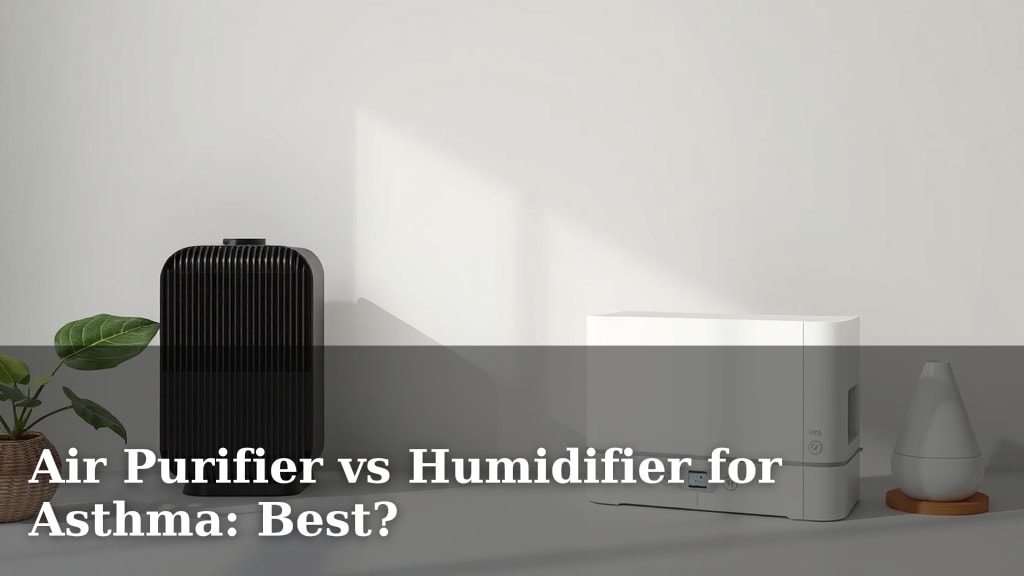
Air Purifier vs Humidifier for Asthma: Best?
When choosing between an air purifier and a humidifier for asthma, **an air purifier is generally the better choice**. While humidifiers add moisture to the air, which can sometimes help, air purifiers **actively remove asthma triggers** like dust, pollen, and pet dander from your breathing space. This direct removal of irritants offers more consistent relief.
Think of it this way: a humidifier might make the air feel a little smoother, but an air purifier actually cleans the air you’re breathing. Many studies show that reducing exposure to common allergens and pollutants can **significantly improve asthma symptoms**. This makes a good air purifier a more direct solution for managing your condition at home.
- Air purifiers directly remove asthma triggers like dust and pollen.
- Humidifiers add moisture, which can sometimes help but doesn’t clean the air.
- Reducing exposure to allergens is key for better asthma control.
- A HEPA filter air purifier is often recommended for allergy and asthma sufferers.
So, if you’re wondering which device will make the biggest difference for your asthma, let’s dive into why an air purifier often wins and what to look for.
Air Purifier vs. Humidifier for Asthma: What’s Best for Your Home?
Deciding between an air purifier and a humidifier for asthma can feel like a tough choice. We want to help you breathe easier. Generally, an air purifier is your top pick. It works to clean the air you breathe. Humidifiers, on the other hand, add moisture. While moisture can help some asthma symptoms, it doesn’t remove the triggers that cause them. Let’s break down why an air purifier often takes the lead.
How Air Purifiers Help Manage Asthma
Asthma is often triggered by things floating in the air. These include dust mites, pollen, pet dander, and even mold spores. When you breathe these in, your airways can become inflamed and narrow. This leads to coughing, wheezing, and shortness of breath. Air purifiers are designed to capture these tiny particles. They use filters to trap them before they reach your lungs. This means less irritation and fewer asthma flare-ups.
The Role of HEPA Filters
When you’re looking for an air purifier for asthma, pay close attention to the filter type. The most effective ones use HEPA (High-Efficiency Particulate Air) filters. A true HEPA filter can trap at least 99.97% of airborne particles. These particles are as small as 0.3 microns. That’s incredibly tiny! Think about dust, pollen, mold spores, and even some bacteria and viruses. A HEPA filter captures them all. This makes the air in your home much cleaner.
Different Types of Air Purifiers
Air purifiers come in various designs. Some use activated carbon filters in addition to HEPA filters. These are great for removing odors and gases, like those from smoke or cooking fumes. Others use UV-C light, but experts often suggest caution with these for asthma, as they can sometimes produce ozone. For asthma management, a model with a powerful HEPA filter is usually your best bet. Always check the specifications to ensure it’s certified to remove allergens.
Understanding Humidifiers and Asthma
Humidifiers add water vapor to the air, increasing humidity levels. Why would this help asthma? Well, very dry air can sometimes irritate your airways, making asthma symptoms worse. Adding moisture can help keep your nasal passages and throat from drying out. This can make breathing feel more comfortable for some people. It’s like giving your airways a little bit of soothing relief.
When Humidifiers Can Be Tricky
However, humidifiers aren’t a perfect solution for everyone with asthma. If you live in an already humid climate, adding more moisture might not be helpful. In fact, too much humidity can encourage the growth of dust mites and mold. These are major asthma triggers! If you do use a humidifier, it’s crucial to keep the humidity level between 30% and 50%. You’ll need a hygrometer to measure this. Also, regular cleaning is essential to prevent bacteria and mold from growing in the humidifier itself.
The Moisture Balance is Key
Finding the right balance of humidity is challenging. Too little can dry out your throat and lungs. Too much can create a breeding ground for allergens. This is where air purifiers have an advantage. They don’t change the humidity. They simply remove the irritants from the air, which is a more direct approach to asthma control.
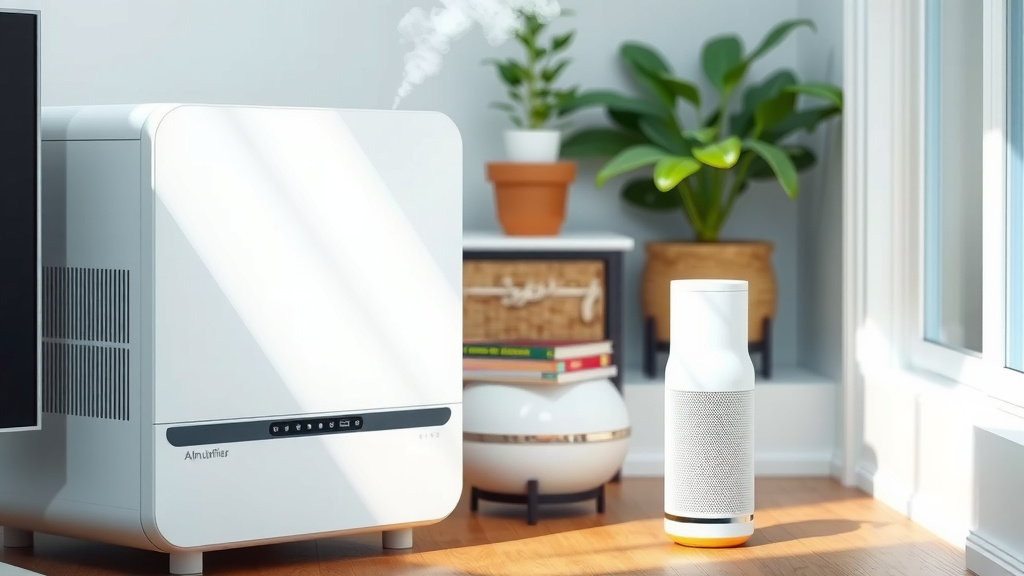
Air Purifier vs. Humidifier: A Direct Comparison
Let’s look at how these two devices stack up when it comes to asthma management. We found that their primary functions are quite different.
| Feature | Air Purifier | Humidifier |
|---|---|---|
| Primary Function | Removes airborne particles (dust, pollen, dander, etc.) | Adds moisture to the air |
| Benefit for Asthma | Reduces exposure to common asthma triggers. | Can soothe dry airways; may worsen symptoms if humidity is too high. |
| Potential Downsides for Asthma | None, if properly maintained. | Can encourage mold and dust mite growth; needs frequent cleaning. |
| Filter Needs | Requires HEPA and possibly carbon filters. | No special filters, but requires regular cleaning. |
Focus on Trigger Removal
The main goal for asthma management at home is to reduce exposure to triggers. Air purifiers excel at this. They actively pull in air and filter out the tiny particles that can set off an asthma attack. This means the air you breathe is cleaner and less likely to cause problems. Research from organizations like the American College of Allergy, Asthma & Immunology consistently points to allergen reduction as a key strategy for asthma control.
Consideration for Different Asthma Types
If your asthma is primarily triggered by allergens like dust, pollen, or pet dander, an air purifier will likely provide the most relief. If your asthma is exacerbated by dry air, a humidifier might offer some comfort. However, it’s important to remember that a humidifier doesn’t *clean* the air. It just changes its moisture content. Many asthma sufferers benefit most from a device that targets the root cause: airborne irritants.
Making the Right Choice for Your Asthma
When you’re ready to invest in a device for your home, think about your specific asthma triggers. What makes your asthma worse? If it’s allergens, an air purifier is your best friend. If dry air is the culprit, a humidifier might help, but use it cautiously. Some people even find that using both devices works well for them, provided they can manage the humidity levels and keep everything clean. However, if you have to pick one, focus on the one that tackles your primary triggers head-on.
What to Look for in an Asthma-Friendly Air Purifier
So, if you’re leaning towards an air purifier, here’s a quick checklist to help you choose:
- HEPA Filter: Make sure it has a true HEPA filter.
- Room Size: Choose a purifier rated for the size of your room.
- CADR: Look for a good Clean Air Delivery Rate (CADR) for smoke, dust, and pollen.
- Noise Level: Some purifiers can be noisy; check reviews if quiet operation is important.
- Filter Replacement: Factor in the cost and availability of replacement filters.
- Ozone-Free: Avoid purifiers that produce ozone.
By focusing on these features, you can find an air purifier that truly helps improve your indoor air quality and supports your asthma management plan. Remember, clean air is essential for healthy breathing, especially when you have asthma.
Conclusion
When managing asthma, your goal is to reduce the triggers in your home’s air. Our research shows that air purifiers are generally the more effective choice. They actively remove allergens like dust, pollen, and dander. While humidifiers can offer comfort for dry airways, they don’t clean the air and can even encourage mold and dust mites if not used carefully. For most asthma sufferers, an air purifier with a HEPA filter offers direct relief by cleaning the air you breathe. Visit your doctor to discuss your specific asthma triggers. Then, look for an air purifier that best fits your needs and your home’s size.
Frequently Asked Questions
Can I use an air purifier and a humidifier together for asthma?
Yes, you can use both, but with caution. If you choose to use both, it’s important to monitor humidity levels closely. Aim to keep humidity between 30% and 50% to prevent mold and dust mite growth. An air purifier will still work to clean the air, while the humidifier will add moisture.
How often should I replace the filter in my air purifier for asthma?
Filter replacement frequency depends on the model and how often you run it. Most manufacturers recommend replacing HEPA filters every 6 to 12 months. Check your air purifier’s manual for specific guidance. Regularly cleaning pre-filters can extend the life of your main HEPA filter.
Are ozone-producing air purifiers bad for asthma?
Yes, ozone-producing air purifiers are generally not recommended for people with asthma. Ozone can irritate your airways and worsen asthma symptoms. Look for air purifiers that are certified as ozone-free or that have specific warnings against ozone production.
What is a good CADR rating for an air purifier for asthma?
A good CADR (Clean Air Delivery Rate) rating indicates how quickly an air purifier can clean a room. For asthma management, aim for a CADR of at least 240 for smoke, dust, and pollen. Higher CADR ratings mean the purifier can clean your air more effectively and quickly.
How do I know if my home’s air is too dry for my asthma?
You can tell if your air is too dry if you experience symptoms like a dry cough, sore throat, or itchy skin, especially in winter. Using a hygrometer is the best way to measure humidity levels. If your home consistently reads below 30% humidity, a humidifier might be beneficial, but always use it with an air purifier.