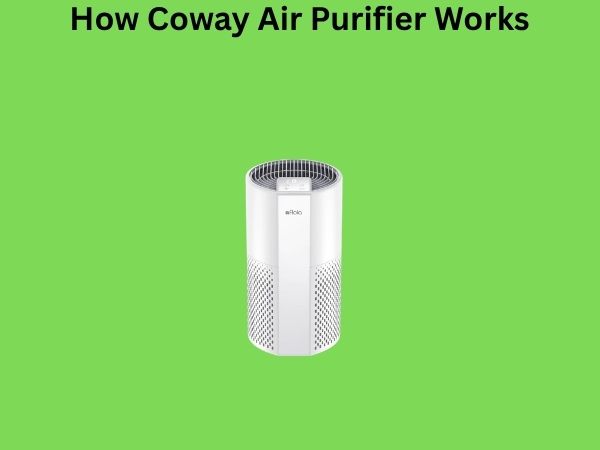
How Coway Air Purifier Works: A Complete Guide to Korean Air Cleaning Technology
Have you ever wondered what happens inside your air purifier when you turn it on? If you’re thinking about investing in a Coway air purifier or you already own one, understanding how it actually works can help you get the most out of your device. Let me walk you through the fascinating journey of how Coway transforms the air in your home from potentially polluted to genuinely fresh and clean.
Understanding the Basics of Air Purification
Think of an air purifier like a security checkpoint for your home’s air. Just as airport security screens passengers and luggage, an air purifier screens the air flowing through your space, catching unwanted particles and contaminants along the way. The goal is simple: take in polluted air and release clean, breathable air back into your room.
But here’s the thing – not all air purifiers work the same way. Coway, a South Korean company with decades of experience in home appliances, has developed a particularly effective approach that combines multiple technologies working together in harmony.
The Multi-Stage Filtration System Explained
Why Multiple Stages Matter
Imagine trying to catch everything from large dust bunnies to microscopic bacteria with a single net. You’d need holes small enough for tiny particles but large enough to let air through – which is basically impossible, right? That’s why Coway uses multiple filtration stages. Each stage has a specific job, working like a relay team where each member does their part before passing the baton to the next runner.
The typical Coway air purifier uses between three to five filtration stages, depending on the model. This layered approach ensures that you’re catching everything from large particles down to ultrafine pollutants.
The Journey of Air Through Your Coway Purifier
When you turn on your Coway air purifier, contaminated air gets drawn in through the intake vents. From there, it embarks on a journey through several filtration stages before emerging as cleaner air. Let’s follow this path step by step.
How the Pre-Filter Works
The First Line of Defense
The pre-filter is like the bouncer at a club – it handles the biggest troublemakers first. This first stage captures larger particles such as pet hair, dust, lint, and pollen. Think of it as a mesh screen with relatively large openings compared to the filters that come after.
The pre-filter is typically made from a foam or mesh material that can trap particles without restricting air flow too much. Without this stage, larger particles would clog up your more expensive HEPA filters much faster, reducing their lifespan significantly.
Pre-Filter Maintenance
Here’s something that makes Coway purifiers convenient: many models come with washable pre-filters. This means you can rinse it under water every month or two, which keeps it functioning effectively without needing a replacement. It’s like giving your purifier a quick shower – simple and effective.
The HEPA Filter: The Star of the Show
What Does HEPA Stand For?
HEPA stands for High-Efficiency Particulate Air, and it’s genuinely one of the most important innovations in air purification. A true HEPA filter must capture at least 99.97% of particles that are 0.3 micrometers or larger. To give you perspective, that’s about 1/200th the width of a human hair.
How HEPA Filtration Actually Traps Particles
Here’s where it gets interesting. HEPA filters work through three main mechanisms: interception, impaction, and diffusion. Don’t let the scientific terms intimidate you – they’re actually intuitive concepts.
- Interception: When a particle traveling through the air comes close to a fiber in the filter, it gets pulled toward that fiber and sticks to it, like a car veering toward a magnetic object.
- Impaction: Larger, heavier particles can’t navigate the twists and turns in the filter material, so they slam into fibers and get trapped, similar to how a log gets stuck in a winding river.
- Diffusion: Tiny particles bounce around randomly (called Brownian motion), and this random movement eventually causes them to collide with filter fibers and stick.
Coway’s HEPA filters are densely packed with extremely fine glass fibers arranged randomly, creating countless pathways and dead ends that particles simply cannot escape.
The HEPA Filter Lifespan
HEPA filters don’t last forever. Depending on how polluted your air is and how much you run your purifier, a Coway HEPA filter typically lasts between 6 to 12 months. Once it reaches the end of its life, it needs replacement – you can’t wash it like the pre-filter.
Activated Carbon Filtration Technology
Fighting Odors and Gases
Here’s something HEPA filters alone can’t do: they can’t remove odors, gases, or chemical fumes. That’s where activated carbon comes in. Activated carbon is charcoal that’s been specially treated to have countless tiny pores, creating an enormous surface area relative to its size.
Imagine having a piece of material the size of a sugar cube, but its internal surface area is equivalent to a basketball court. That’s the power of activated carbon.
How Activated Carbon Works
When odor-causing molecules, gases, and chemicals pass through the activated carbon layer, they get stuck to the surface through a process called adsorption (notice it’s “ad-” not “ab-“). This is different from absorption, where something soaks in. With adsorption, particles stick to the surface.
This stage is particularly useful if you have pets, smoke concerns, cooking odors, or chemical off-gassing from furniture. The activated carbon essentially neutralizes these invisible pollutants.
Carbon Filter Longevity
Activated carbon filters can typically last between 3 to 6 months, though this depends heavily on how contaminated your air is. In homes with strong odors or high chemical presence, they may need replacement more frequently.
Ionization and Additional Features
Understanding Negative Ion Technology
Many Coway models include an ionizer, which releases negative ions into the air. Think of ions as charged particles – negative ions carry an extra electron. When these ions encounter pollutants, they cause them to become heavier and fall to the ground or get attracted to positively charged particles.
Negative ions also help purify the air by neutralizing some pollutants directly. Some research suggests that negative ions can improve mood and air quality perception, though the scientific evidence on this is mixed.
Additional Smart Features
Depending on your Coway model, you might also get:
- UV-C Light: Some models include ultraviolet light that can neutralize bacteria and viruses as air passes through.
- Photocatalytic Filters: Advanced models may use titanium dioxide that destroys pollutants when exposed to light.
- Antibacterial Coating: Certain filters have special coatings that prevent bacterial growth on the filter itself.
These features work alongside the main filtration system to provide extra layers of air purification.
The Role of Sensors and Smart Technology
Real-Time Air Quality Detection
Coway air purifiers aren’t just running blindly. They’re equipped with sophisticated sensors that continuously monitor your air quality. These sensors detect particles, gases, and humidity levels in real-time.
Think of these sensors as your purifier’s eyes and nose – they’re constantly checking what’s in the air around you.
Automatic Mode and Smart Adjustment
One of the coolest features of modern Coway purifiers is their ability to adjust their fan speed automatically based on what the sensors detect. When air quality deteriorates, the purifier speeds up. When air is clean, it slows down, saving energy and reducing noise.
This smart responsiveness means you don’t have to manually adjust settings constantly – the purifier adapts to your home’s needs.
Air Quality Monitoring Systems
Understanding Air Quality Indicators
Most Coway purifiers have a display showing air quality levels, often represented by colors or numerical values. These might indicate:
- PM 2.5 levels (fine particles)
- Overall air quality index
- Humidity levels
- Filter status and remaining lifespan
By understanding what these indicators mean, you can better grasp what pollutants are being removed from your air.
Mobile App Connectivity
Many newer Coway models connect to your smartphone via an app. This lets you monitor air quality remotely, adjust settings, receive filter replacement notifications, and even schedule operation times from anywhere.
Maintenance and Filter Replacement
Keeping Your Purifier Running Optimally
Proper maintenance is crucial for sustained performance. Here’s what you need to do:
- Clean the pre-filter monthly: Simply rinse it under running water and let it air dry.
- Replace HEPA filters: Follow manufacturer recommendations, typically every 6-12 months.
- Replace carbon filters: Generally every 3-6 months depending on air quality.
- Wipe the exterior: Keep the outer casing dust-free.
- Ensure proper ventilation: Keep the intake and output vents clear.
Filter Replacement Costs
The cost of replacement filters varies by model, but expect to budget around $80-150 per year for filter replacements. This is an ongoing cost of ownership, but considering the health benefits, it’s generally considered a worthwhile investment.
Common Misconceptions About Air Purifiers
Myth #1: One Purifier Can Clean Your Entire House
Unfortunately, this isn’t true. Air purifiers work best in a single room or defined space. For larger homes, you might need multiple units or a whole-house system integrated with your HVAC.
Myth #2: You Only Need to Run It When You Notice Bad Air
Poor air quality isn’t always obvious. Invisible pollutants are constantly present. Running your purifier continuously, especially in automatic mode, provides ongoing protection.
Myth #3: Air Purifiers Replace Open Windows
While purifiers clean indoor air, fresh outdoor air circulation is still important for overall air quality. The best approach combines both strategies.
Real-World Performance Benefits
Health Improvements You Might Notice
Users often report benefits like reduced allergy symptoms, fewer asthma triggers, better sleep quality, and clearer thinking. People with respiratory conditions frequently notice improvements within days or weeks of using a Coway purifier.
Odor and Freshness
Perhaps the most immediately noticeable benefit is the elimination of odors. Cooking smells, pet odors, and stale air disappear noticeably, leaving your home feeling fresher.
Comparing Coway with Other Brands
What Makes Coway Stand Out
While many brands make air purifiers, Coway has earned respect through consistent quality, innovative technology, and competitive pricing. Their Korean engineering emphasizes durability and efficiency. Many users find Coway offers better value than premium brands while maintaining high performance standards.
Tips for Maximizing Efficiency
- Place it centrally: Position your purifier in a central location for optimal air circulation.
- Keep doors closed: Using your purifier in a closed room improves effectiveness.
- Use higher fan speeds when needed: Even in auto mode, boost performance during high-pollution periods.
- Regular maintenance is essential: Dirty filters work harder and less effectively.
- Combine with source control: Reduce pollution sources (like smoking) when possible.
Conclusion
Understanding how your Coway air purifier works gives you a deeper appreciation for this modern home essential. From the pre-filter catching large particles to the HEPA filter trapping microscopic pollutants, from activated carbon removing odors to sensors automatically optimizing performance – every component plays a vital role in the continuous mission of delivering clean air to your home.
The beauty of a well-designed air purifier like Coway is that while the technology is sophisticated, the result is simple: healthier, fresher air. Whether you’re concerned about allergies, asthma, pet odors, or simply maintaining a clean living environment, understanding these mechanisms helps you use your purifier more effectively and appreciate the work it’s doing behind the scenes, 24/7.
By maintaining your purifier properly and following the tips we’ve discussed, you’ll maximize its lifespan and effectiveness, ensuring you continue to enjoy the benefits of cleaner air for years to come.
Frequently Asked Questions About Coway Air Purifiers
How often should I replace my Coway air purifier filters?
Pre-filters can be washed monthly and reused indefinitely. HEPA filters typically last 6-12 months depending on air quality and usage frequency. Activated carbon filters should be replaced every 3-6 months. Most Coway models have alerts that notify you when filters need replacement. The exact timeline depends on your specific model and how polluted your air is, so always consult your user manual for precise recommendations.
Can a Coway air purifier remove viruses?
While HEPA filters can capture some viruses when they’re attached to larger particles, they aren’t specifically designed to eliminate viruses from the air. Some Coway models with UV-C light or advanced filtration may provide additional protection, but air purifiers shouldn’t be your only defense against airborne viruses. Proper ventilation, vaccination, and hygiene practices are more effective for viral protection.