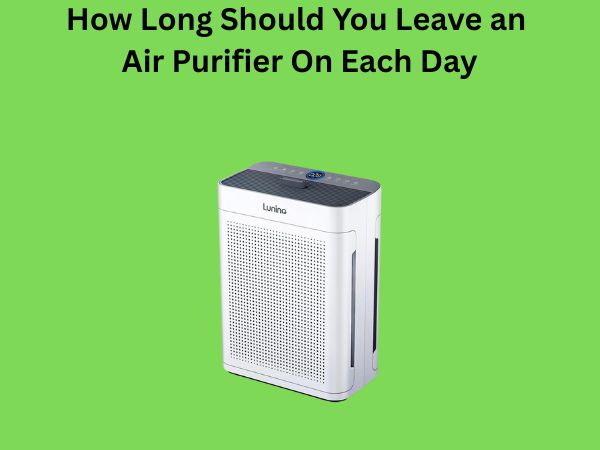
How Long Should You Leave an Air Purifier On Each Day? A Complete Guide
If you’ve recently invested in an air purifier, you’re probably wondering how long you actually need to keep it running. Should it be on 24/7? Just a few hours? The truth is, there’s no one-size-fits-all answer, and that’s what we’re going to explore together in this guide.
Think of your air purifier like a personal bodyguard for your indoor air quality. But unlike a bodyguard who needs to be alert at all times, your air purifier’s schedule depends on several factors unique to your living situation. Let me walk you through everything you need to know to make the best decision for your home and your health.
Understanding Your Air Purifier’s Core Function
Before we dive into timing, let’s understand what your air purifier actually does. These devices work by pulling air from your room through a series of filters—typically a pre-filter, a HEPA filter, and sometimes an activated carbon filter. As air passes through these layers, pollutants like dust, pet dander, pollen, and even microscopic particles get trapped, and clean air gets pushed back into your space.
The key insight here is that air purifiers don’t “clean” your air permanently. They’re more like continuous filters. Once the machine stops running, new pollutants continue to circulate in your room. This is crucial information for determining how long to leave yours on.
Factors That Determine How Long Your Air Purifier Should Run
Room Size and Air Purifier Capacity
Your room’s square footage is one of the most important factors. Every air purifier comes with a CADR rating (Clean Air Delivery Rate) and is designed for specific room sizes. If your purifier is rated for 300 square feet and you’re using it in a 500-square-foot space, you’ll need to run it longer to achieve the same air quality than someone with a properly-sized unit.
Think about it this way: a small purifier trying to clean a large room is like using a regular-sized mop on a warehouse floor. It can do the job, but it’ll take significantly longer.
Indoor Air Quality Levels
If you live in an area with high outdoor pollution, have pets, suffer from allergies, or have smokers in your household, your indoor air quality is likely worse than average. These situations demand longer run times. Conversely, if you live in a relatively clean environment and don’t have major pollution sources indoors, you might need less operating time.
Time of Day and Occupancy
When your home is occupied, more activity happens—people move around, pets shed, and dust gets stirred up. When everyone’s asleep or away, the air naturally settles. This means your running schedule should ideally align with when your home is most active.
Seasonal Variations
Seasonal changes dramatically affect your air quality needs. During pollen season (spring and fall), you’ll want extended run times. Winter brings dry air and more indoor heating, while summer might mean more outdoor pollution entering through open windows.
Type of Pollutants You’re Dealing With
Are you fighting dust, pet dander, cooking odors, or smoke? Different pollutants behave differently. Some settle quickly, while others remain airborne for longer periods. Smoke particles, for instance, are extremely small and require longer filtration periods to be effectively removed.
The 24/7 Running Approach: Is It Right for You?
Benefits of Continuous Operation
Running your air purifier constantly ensures maximum air quality throughout the day and night. If you have severe allergies, asthma, or other respiratory conditions, keeping your purifier running 24/7 might be the safest option. It’s like having a constant shield against airborne irritants.
Here are the main advantages:
- Consistent air quality maintenance regardless of activity levels
- Better sleep quality for people with respiratory sensitivities
- Continuous reduction of odors and chemical pollutants
- Peace of mind knowing your air is always being cleaned
Drawbacks of Running 24/7
However, continuous operation comes with downsides. Your electricity bill will increase noticeably—depending on your unit’s wattage, you could be spending $10 to $50 per month extra, which adds up to $120 to $600 annually. Additionally, your filters will need replacement more frequently, which means higher maintenance costs.
There’s also the matter of noise. Most air purifiers aren’t silent, and running one constantly in your bedroom might disrupt sleep for some people, even if the noise level isn’t consciously disturbing you.
The Smart Scheduling Approach: Finding Your Sweet Spot
The Standard Recommendation: 8 to 12 Hours Daily
Most experts suggest running your air purifier for 8 to 12 hours per day as a balanced approach. This typically means keeping it on during waking hours when indoor activity is highest and pollution sources are most active. For many households, this is the sweet spot between air quality and cost-effectiveness.
If your room is 300 square feet and your purifier is appropriately sized, running it for 8 to 12 hours should give you significantly cleaner air than not using it at all, while not creating an unnecessary financial burden.
The Strategic Timing Method
Here’s where you get clever with your scheduling. Consider running your purifier:
- During morning hours when you’re getting ready and dust kicks up
- Throughout the afternoon and early evening when household activity peaks
- For 30 minutes before bedtime to ensure clean air while sleeping
- Continuously if you have pets or smokers in the home
You could also use a timer or smart plug to automate this schedule, removing the temptation to forget about it.
Special Circumstances Requiring Extended Operation
If You Have Severe Allergies or Asthma
People with respiratory conditions benefit tremendously from longer purifier operation times. Ideally, you should run your purifier continuously in rooms where you spend significant time, especially your bedroom. The goal here is to create a high-quality air sanctuary where your lungs can truly rest and recover.
Pet Owners Need More Runtime
Pets are wonderful companions, but they’re also prolific sources of dander and fur. If you have dogs or cats, consider running your purifier for at least 12 hours daily, or continuously if feasible. Pet-related allergens are stubborn and airborne for extended periods.
Smokers and Cooking Odors
If your household includes smokers or you do a lot of cooking with strong aromas, your air purifier needs extended runtime. Smoke and cooking odors require activated carbon filters and more time to be effectively removed from your space. In these cases, 12+ hours daily is more appropriate.
Living in High-Pollution Areas
If you’re in a city with significant air pollution or near industrial areas, your baseline air quality is already compromised. Running your purifier for 16 to 24 hours daily is reasonable and might be worth the investment in your respiratory health.
How to Monitor Your Air Quality to Determine Runtime Needs
Using Air Quality Monitors
Modern air quality monitors can measure PM2.5 and PM10 particles, which are the tiny culprits responsible for most respiratory issues. By checking your air quality readings, you can see real data about whether your current runtime is sufficient or if you need to increase it.
Many new air purifiers come with built-in sensors that display real-time air quality metrics. Pay attention to these readings, especially in the evening after a day of activity.
Personal Observation and Symptom Tracking
Sometimes the best indicator is how you feel. If you wake up with congestion, experience more allergy symptoms than before, or feel like the air seems stuffy, your purifier probably isn’t running long enough. Keep a simple log of your symptoms to identify patterns.
The Impact on Filter Lifespan and Maintenance
Understanding Filter Replacement Frequency
Here’s something many people don’t consider: running time directly affects how often you’ll need to replace filters. HEPA filters typically last 6 to 12 months with moderate use, but constant operation can cut that timeline in half.
Budget for replacement filters before committing to 24/7 operation. A quality HEPA filter might cost $20 to $80, and you could need multiple replacements yearly if your purifier runs constantly.
Balancing Costs: Runtime Versus Replacement Expenses
Calculate your actual costs. If running your purifier costs an extra $30 monthly in electricity but requires filter replacements every 3 months at $50 each, you’re looking at approximately $230 per year in operational costs. For many people, this is worthwhile for health benefits, but it’s important to know going in.
Seasonal Adjustments to Your Purifier Schedule
Spring: Pollen Season Demands
Spring brings pollen explosions. If you suffer from seasonal allergies, this is when you should maximize your purifier runtime. Running it continuously during peak pollen season can significantly reduce your symptoms and improve sleep quality.
Summer: Outdoor Air Pollution
Summer often brings increased outdoor air pollution and ozone. If you’re opening windows to catch breezes, external pollutants enter your home. Maintain your purifier at full-time operation if you’re dealing with outdoor air quality issues.
Fall and Winter: Indoor Heating and Closed Windows
When windows are sealed shut for warmth, indoor pollutants accumulate. However, you might also be able to reduce runtime slightly since outdoor pollution isn’t entering as readily. Use air quality readings to guide you.
Technology Features That Help Optimize Runtime
Smart Sensors and Automatic Modes
Many modern air purifiers include automatic modes that adjust fan speed based on real-time air quality. Instead of running continuously at full speed, these units increase speed when they detect pollution spikes. This approach reduces energy consumption while maintaining air quality—a win-win situation.
Timer Functions and Smart Home Integration
Programmable timers and smart home integration allow you to set schedules that match your lifestyle. You can program your purifier to turn on before you wake up, run while you’re working from home, and activate again in the evening.
Creating Your Personalized Air Purifier Schedule
Step-by-Step Guide to Finding Your Ideal Runtime
Start by running your purifier for 8 hours daily for two weeks. Monitor your symptoms, energy bills, and air quality readings. If your symptoms improve and air quality is good, you’ve found your baseline. If you’re still experiencing issues, extend your runtime by 2 hours and observe for another two weeks.
This experimental approach removes guesswork and gives you data-driven answers specific to your situation.
Documenting Your Results
Keep simple records of when you run your purifier and how you feel. Note any allergic reactions, breathing difficulties, or improvements in air freshness. Over time, patterns will emerge showing exactly how much runtime benefits your specific situation.
Common Mistakes People Make With Air Purifier Usage
Oversizing Without Adjusting Expectations
Many people buy purifiers rated for larger rooms than they have, assuming they’ll get better results. In reality, an oversized purifier cleans air faster, meaning you can run it less. Don’t assume “bigger is better” when it comes to runtime.
Neglecting Filter Maintenance
A clogged filter reduces efficiency and forces you to run your purifier longer to achieve the same results. Check your filters monthly and replace them on schedule, not whenever you remember.
Placing the Purifier Incorrectly
Putting your purifier in a corner or against a wall reduces its effectiveness. Position it centrally where air can flow freely around it, or place it in the room where you spend most time. Poor placement means you’ll need extended runtime to compensate.
The Bottom Line: Your Optimal Runtime
There’s no universal answer to how long you should run your air purifier, but there are evidence-based guidelines. For most people with average air quality concerns, 8 to 12 hours daily provides noticeable benefits without excessive costs. Those with respiratory conditions, pets, or high pollution exposure should lean toward 12 to 24 hours daily.
The most important step is experimenting with your specific situation and paying attention to results. Your health and comfort should guide your decision, not generic recommendations.
Conclusion
Running an air purifier isn’t about following a universal schedule—it’s about understanding your unique needs and creating a system that works for your home and lifestyle. Start with the recommended 8 to 12 hours daily, monitor your air quality and symptoms, then adjust based on what you observe. Consider your room size, pollution sources, health conditions, and budget. Remember that an air purifier is an investment in your respiratory health, and the right runtime for you might be different from what works for your neighbor. By approaching this thoughtfully and experimenting with your specific situation, you’ll find the perfect balance between clean air and practical operation. Your lungs will thank you.
Frequently Asked Questions
Is it safe to run an air purifier 24/7?
Yes, it’s completely safe to run most air purifiers continuously. They’re designed for extended operation without overheating or creating hazards. The main concerns are energy consumption and filter replacement frequency, not safety. If noise is an issue, consider using the lowest fan setting at night or placing the unit in a less-occupied room.
Will running my air purifier longer reduce my electric bill?
No, running your air purifier longer will actually increase your electric bill, not reduce it. However, you can minimize costs by using auto or sleep modes when possible, ensuring your purifier is appropriately sized for your room, and keeping filters clean to maintain efficiency. The health benefits often outweigh the modest energy cost increase.
How do I know if my air purifier is running long enough?
The best indicators are your personal symptoms and air quality readings. If you notice improvements in allergy symptoms, fewer respiratory issues, and fresher-smelling air, your runtime is likely adequate. An air quality monitor showing consistently low PM2.5 levels is also a good sign. If problems persist, gradually extend your runtime and reassess.
Can I run my air purifier only at night?
Running your purifier only at night is better than not using it at all, but it’s suboptimal for daytime pollutant accumulation. Since most activity happens during waking hours, running it exclusively at night means you’re breathing dirtier air most of the day. A split schedule—morning and evening—or daytime operation would better protect your health.
Does the type of air purifier affect how long it should run?
Absolutely. HEPA filter purifiers are most effective for particles and typically need 8 to 12 hours daily. Activated carbon filters are better for o