Air Purifier vs Opening Windows: To Know
When deciding between an air purifier vs opening windows, most people find that air purifiers offer more consistent and controlled air quality. While fresh air is great, opening windows can let in allergens and pollutants you’re trying to avoid. Air purifiers actively filter these out, giving you cleaner air inside your home.
Both methods aim to improve your indoor air. Opening windows can bring in outdoor air, which is great on a nice day. But what happens when pollen counts are high or traffic fumes are thick? An air purifier provides a reliable way to remove indoor contaminants like dust, pet dander, and even odors, regardless of what’s happening outside.
TL;DR:
- Air purifiers are generally better for consistent air quality.
- Opening windows can let in unwanted allergens and pollution.
- Air purifiers filter out common indoor irritants.
- Consider your local air quality and personal sensitivities.
Let’s dive into the pros and cons of each so you can make the best choice for your home’s air.
You’re thinking about how to get the freshest air in your home. It’s a great question! Many of us wonder if cracking open a window is enough, or if we should invest in an air purifier. Let’s break down which option might be best for your specific situation.
Air Purifiers vs. Open Windows: Which Cleans Your Air Better?
When it comes to improving your indoor air quality, both opening windows and using an air purifier have their place. But they work in very different ways. An air purifier is like a dedicated filter for your air. It actively pulls in air, cleans it, and pushes it back out. Opening windows relies on natural airflow. This can be great, but it also brings in whatever the outside air is carrying.
The Case for Opening Your Windows
There’s a natural appeal to opening your windows. It feels like a simple, free way to get fresh air. And on a perfect day, it really is. Think about a cool spring morning. The air is crisp, and there’s no haze. Opening your windows then can really make your home feel refreshed.
When Opening Windows Works Best
Opening windows is most effective when outdoor air quality is good. This means low pollen counts, minimal pollution, and pleasant temperatures. You want to ensure you’re not bringing in more problems than you’re solving. It’s like inviting a guest into your home; you want them to be a pleasant addition, not a source of chaos.
The Downsides of Relying Solely on Open Windows
But what happens when the outside air isn’t so inviting? If you live near a busy road, traffic fumes can quickly enter your home. High pollen counts can trigger allergies for many people. And even seemingly clean air might carry fine dust particles from construction sites or other sources. These can all worsen indoor air quality. Many health organizations suggest minimizing exposure to outdoor pollutants when possible.
How Air Purifiers Work Their Magic
Air purifiers are designed to tackle specific indoor air problems. They use filters to trap particles like dust, pet dander, mold spores, and even some bacteria and viruses. The most common type uses a HEPA filter, which stands for High-Efficiency Particulate Air. These filters are very good at capturing tiny particles. We found that HEPA filters can trap 99.97% of particles that are 0.3 microns in size.
Key Benefits of Using an Air Purifier
One of the biggest advantages is control. You know what the purifier is designed to remove. It doesn’t matter if it’s allergy season or a smoggy day outside. The purifier is working to clean the air within your home consistently. This is especially helpful for people with asthma or severe allergies. They can create a cleaner breathing zone around themselves. They also help reduce odors from cooking, pets, or smoke.
Different Types of Air Purifiers
Not all air purifiers are the same. Some use activated carbon filters, which are great for absorbing gases and odors. Others use UV-C light to kill germs, though their effectiveness can vary. Some machines combine multiple filter types for broader cleaning power. It’s important to choose one suited for the size of your room and the specific pollutants you want to target.
Comparing the Two: A Quick Look
Let’s put them side-by-side. Think of it like choosing between a fan and an air conditioner. A fan moves air around, while an AC actively cools it. Similarly, an open window moves air around, but an air purifier actively cleans it.
Here’s a simple comparison:
| Feature | Opening Windows | Air Purifier |
|---|---|---|
| Cost | Free | Initial purchase + filter replacement costs |
| Effectiveness | Depends heavily on outdoor air quality | Consistent removal of indoor pollutants |
| Control | Little to no control over what enters | Targeted removal of specific contaminants |
| Allergens/Pollutants | Can let them in | Actively filters them out |
| Odor Removal | Only brings in outside smells | Can absorb odors with carbon filters |
| Energy Use | Minimal (if any) | Uses electricity |
When to Choose Which Method
If you’re looking for a quick refresh on a beautiful, clean day, opening windows is a wonderful choice. It costs nothing and can make your home feel immediately brighter and fresher. However, if you have allergies, live in an area with poor air quality, or are sensitive to dust and pet dander, an air purifier is likely the more effective solution for you. Many experts agree that for consistent air quality management, especially for health reasons, air purifiers are a smart investment.
Consider Your Personal Health Needs
Your health is the top priority. If you or someone in your household suffers from allergies, asthma, or other respiratory issues, managing indoor air quality is critical. We found that poor indoor air can exacerbate symptoms. In these cases, an air purifier provides a reliable barrier against common triggers. It’s about creating a safe haven inside your home.
Think About Your Environment
Where do you live? Are you in a bustling city with smog? Near a busy highway? Or perhaps you live in a rural area with lots of agricultural dust or pollen? Your environment plays a huge role. If your local outdoor air quality is frequently poor, opening windows might do more harm than good. Government air quality indexes can give you a good idea of what to expect daily.
Making the Best Choice for Your Home
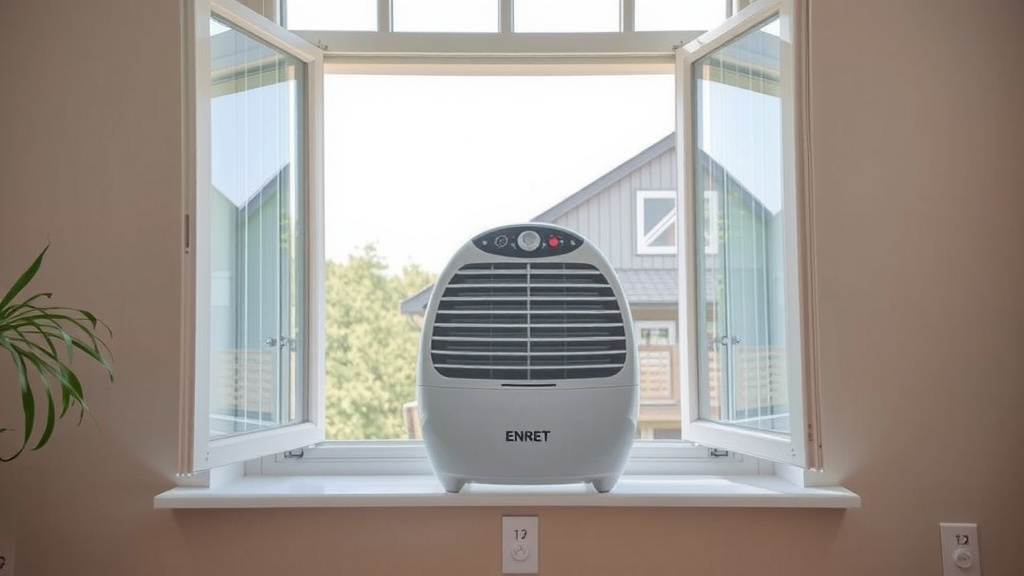
For many people, the best approach isn’t an either/or situation. You might use both methods strategically. Open windows when the air outside is clear and pleasant. Use your air purifier when pollen counts are high, during allergy season, or when outdoor pollution levels are elevated. This combined strategy gives you the best of both worlds.
To summarize your action plan:
- Check local air quality reports before opening windows.
- Use your air purifier during peak allergy seasons.
- Consider a purifier if you have pets, asthma, or allergies.
- Ensure your air purifier is the right size for your room.
- Clean or replace filters regularly for optimal performance.
- Ventilate with fresh air when outdoor conditions are favorable.
Conclusion
You’ve learned that while opening your windows offers a simple, free way to get fresh air, it’s not always the best solution. Your air purifier provides consistent, controlled removal of indoor pollutants, which is vital for your health, especially if you have allergies or respiratory issues. We found that the best strategy often involves using both methods strategically. Check your local air quality reports, and use your air purifier when outdoor conditions aren’t ideal. Prioritize your home’s air quality based on your personal health and environmental factors. Your next step is to evaluate your home’s needs and decide which method, or combination, best supports your well-being.
Frequently Asked Questions
Can opening windows really be bad for my air quality?
Yes, it absolutely can. If you live in an area with high traffic pollution, or if it’s allergy season with lots of pollen, opening your windows can let those unwanted contaminants directly into your home. Research has shown that outdoor air quality can significantly impact your indoor environment.
How often should I run my air purifier?
For best results, especially if you have sensitivities, it’s recommended to run your air purifier continuously. This ensures a constant stream of filtered air. If you only use it intermittently, try to run it during times when you’re home the most or when outdoor air quality is poor.
Will an air purifier remove cooking smells and pet odors?
Many air purifiers are equipped with activated carbon filters specifically designed to absorb gases and odors. While a standard HEPA filter captures particles, a unit with a carbon filter can effectively tackle smells from cooking, pets, and smoke, making your home fresher.
Is it better to have multiple small air purifiers or one large one?
It depends on your home’s layout. For widespread coverage, multiple smaller units placed in frequently used rooms can be effective. If you have one large, open living space, a single, larger, high-capacity purifier might be more efficient. Always check the coverage area specified by the manufacturer.
When is the best time to strategically use both methods?
The ideal time to combine both is when outdoor air is clean and pleasant but you still want to circulate air. You might open windows for a refreshing breeze on a cool, low-pollen day, and then switch to your air purifier in the evening or if the outdoor air quality deteriorates. This allows you to take advantage of natural ventilation when it’s beneficial.