Air Purifier vs Box Fan with Filter: Save?
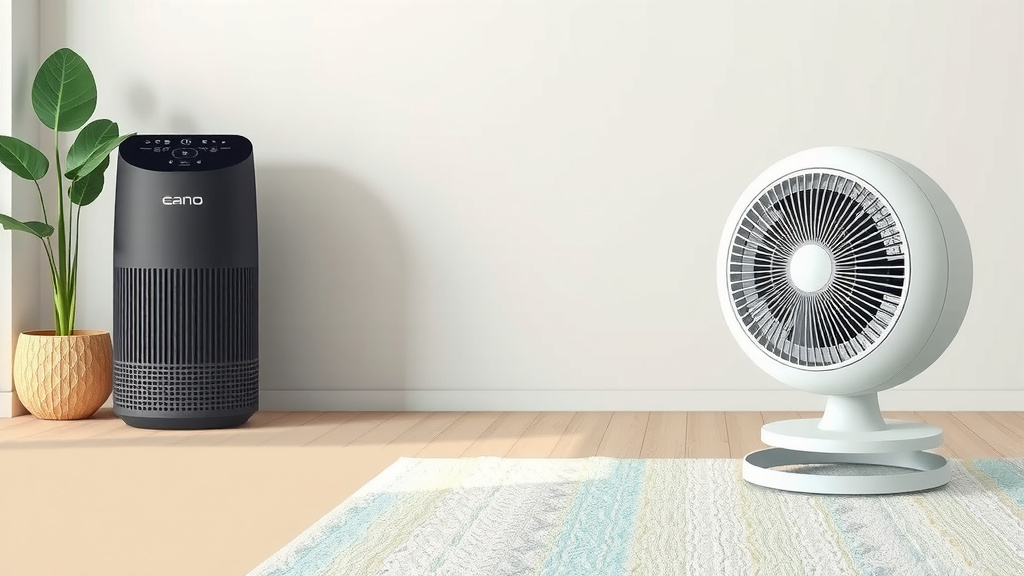
When deciding between an air purifier and a DIY box fan with a filter, a true HEPA air purifier is generally the better choice for cleaner air. While a box fan with a filter can capture some dust, it often lacks the advanced filtration and sealed design of a dedicated air purifier to effectively tackle smaller particles like allergens and VOCs. You might save money upfront, but you’ll likely get less powerful air cleaning.
Many people look for affordable ways to improve their home’s air quality. You might be wondering if that simple box fan, rigged with a filter, can really stack up against a store-bought air purifier. We found that while DIY solutions offer some basic particle capture, they often fall short in overall air purification effectiveness and can even recirculate air less efficiently. A proper air purifier is designed for a sealed system to maximize air flow through its filters.
- A true HEPA air purifier offers superior air cleaning.
- Box fans with filters catch some dust but miss smaller particles.
- Air purifiers have better design for efficient air capture.
- Consider your specific air quality needs.
Let’s dive deeper and see how these two options really compare when it comes to your home’s air.
Box Fan Air Filter vs. Dedicated Purifier: What’s Best for Your Air?
You’re probably wondering if a simple box fan with a filter can really clean your air as well as a fancy air purifier. We’ve looked into it, and the answer is mostly no, especially for the smaller, more irritating particles. While a DIY setup can catch some dust, it often falls short of the performance and effectiveness of a purpose-built air purifier. Your health and comfort are important, so let’s break down why.
How Each Option Cleans Your Air
The Box Fan and Filter Method
The idea behind using a box fan with a filter is straightforward. You attach an air filter, usually a standard furnace filter, to the back of a box fan. The fan pulls air through the filter, and theoretically, this traps dust and other larger particles. It’s a budget-friendly approach that many people have tried to improve their indoor air quality without buying a new appliance. It can offer a visible reduction in larger dust bunnies.
What it Catches (and What it Misses)
These DIY contraptions are generally effective at capturing larger airborne particles like lint, pet hair, and visible dust. You might notice your surfaces require less dusting. However, most standard furnace filters are not designed to trap smaller particles. Things like pollen, mold spores, pet dander, and especially VOCs (volatile organic compounds) can easily pass through. These smaller particles are often the culprits behind allergies and respiratory irritation (CDC).
Design Limitations
A big issue is the seal. Box fans aren’t designed to be airtight with a filter. Air can easily leak around the edges of the filter. This means a lot of air bypasses the filter material altogether, reducing its effectiveness. The fan’s motor might also struggle to pull air efficiently through a dense filter, leading to less air circulation overall. This can make it run hotter and less efficiently than a unit designed for the job.
The Purpose-Built Air Purifier
Dedicated air purifiers are engineered from the ground up to clean your air. They have a sealed system. This ensures that all the air drawn into the unit must pass through the filters. They typically use multi-stage filtration, often including a pre-filter for larger particles, a true HEPA filter for fine particles, and an activated carbon filter for odors and gases.
HEPA Filtration Explained
True HEPA filters are a big deal. They are certified to capture at least 99.97% of airborne particles that are 0.3 microns in size. This includes many allergens, bacteria, and viruses that a box fan setup likely won’t catch. Think of it as a super-fine net that catches the smallest troublemakers in your air (NIH).
Sealed System Efficiency
The sealed design of an air purifier is key. It creates a powerful, controlled airflow. The fan is matched to the filters to ensure maximum air passes through the filtration media. This means less air leakage and more effective cleaning. You’re getting a much more consistent and powerful air cleaning experience compared to a jury-rigged fan.
Cost Considerations: Upfront vs. Long-Term
It’s tempting to think a box fan and filter will save you money. And upfront, it certainly can. A box fan costs maybe $20-$30, and a furnace filter is a few dollars. But let’s look beyond the initial purchase price.
Initial Investment
You can likely get a box fan and a decent furnace filter for under $50. This is significantly less than most dedicated air purifiers, which can range from $70 to $300 or more. If your budget is extremely tight, the DIY approach seems like a win.
Running Costs and Lifespan
Here’s where the savings can disappear. Box fans aren’t designed for continuous, high-powered use like air purifiers. They can wear out faster and use more electricity for the amount of air they move. You’ll also be replacing those furnace filters more frequently, as they aren’t built for the same level of fine particle capture and clog up faster. Dedicated air purifiers are built for longevity and efficiency. Their filters, while more expensive, are designed to last longer and are more effective.
Filter Replacement Frequency
We found that if you’re using a DIY setup for serious air cleaning, you might find yourself replacing filters every month or two. A good quality HEPA filter in a dedicated purifier might last 6-12 months, depending on usage and air quality. Factor in the cost and hassle of frequent replacements for the box fan.
Effectiveness for Specific Air Quality Concerns
Your home’s air quality needs are unique. Are you dealing with allergies? Pets? Living near a busy road? The type of pollution you’re trying to tackle matters greatly.
Allergens and Asthma
For allergy sufferers or those with asthma, a true HEPA air purifier is often recommended by health organizations. These devices are designed to capture the tiny particles that trigger reactions, like pollen, dust mite debris, and pet dander (American Lung Association). A box fan filter typically won’t be fine enough to capture these effectively.
Odors and VOCs
If you’re concerned about smells from cooking, pets, or volatile organic compounds (VOCs) from cleaning products or furniture, you need an air purifier with an activated carbon filter. Most standard furnace filters offer no help here. Many good air purifiers include a substantial carbon layer specifically for this purpose.
General Dust Reduction
If your main goal is just to catch the big dust bunnies and reduce overall visible dust, a box fan with a filter can offer some benefit. It’s better than nothing. However, you’re still missing out on the smaller, potentially more harmful particles.
Making the Right Choice for Your Home
We understand the appeal of a cost-effective solution. A box fan with a filter can offer a minor improvement for catching larger particles. But when you compare it to the science and engineering behind a dedicated air purifier, the differences become clear.
Key Comparison Points
Here’s a quick look at how they stack up:
| Feature | Box Fan + Filter | Dedicated Air Purifier |
|---|---|---|
| Particle Capture | Larger particles (dust, lint) | Fine particles (allergens, smoke, viruses) + often odors/VOCs |
| Filtration Type | Basic furnace filter | True HEPA, Activated Carbon, Pre-filters |
| Airflow Design | Leaky, inefficient | Sealed, optimized for maximum filtration |
| Effectiveness for Health | Limited | High (for specific pollutants) |
| Initial Cost | Low | Moderate to High |
| Long-Term Cost | Can be higher due to frequent filter changes and energy use | Filter replacements, but generally more energy efficient |
Your Air Quality Checklist
Before you decide, ask yourself:
- What specific air quality issues am I trying to solve?
- How important is capturing very small particles like allergens or smoke?
- Am I concerned about odors or chemical smells?
- What is my long-term budget for filters and electricity?
- Do I want a reliable, purpose-built solution or a DIY hack?
Ultimately, if your goal is truly cleaner air that benefits your health, investing in a good quality air purifier is the most effective route. They are designed for the job and offer superior performance.
Conclusion
After looking at both options, we found that while a box fan with a filter can catch some visible dust, it’s not a substitute for a true HEPA air purifier. Dedicated air purifiers are designed with sealed systems and advanced filters like HEPA and activated carbon. This ensures they capture tiny particles, allergens, and odors that a DIY setup misses. For your health and truly cleaner air, investing in a purpose-built air purifier is the smarter, long-term choice. Consider your home’s specific air quality needs and make the investment for a healthier living space.
Frequently Asked Questions
Can a box fan and filter really replace an air purifier?
While a box fan with a filter can capture larger dust particles, research shows it can’t match the performance of a dedicated air purifier. True HEPA filters in purifiers are designed to trap much smaller particles like allergens and VOCs that bypass basic furnace filters.
How often should I replace the filter on a box fan setup?
If you’re using a box fan with a filter for air cleaning, you’ll likely need to replace the filter more frequently, possibly every 1-2 months. This is because standard furnace filters clog faster when trying to capture fine particles and aren’t designed for continuous airflow like those in air purifiers.
Are air purifiers more energy-efficient than box fans?
Yes, typically dedicated air purifiers are designed for energy efficiency. They use motors optimized for pulling air through filters consistently, whereas box fans may use more electricity for the amount of air cleaned and can wear out faster when used continuously.
What if I only care about reducing pet hair and large dust?
If your main concern is just larger debris like pet hair and visible dust, a box fan with a filter can offer some improvement. However, it will still miss smaller dander and allergens that are often the bigger issue for pet owners’ allergies.
How do I know if I need an air purifier with carbon filtration?
You should consider an air purifier with an activated carbon filter if you’re concerned about odors from cooking, pets, or smoke, as well as chemical smells from household products. Standard filters don’t effectively remove gases and VOCs, but carbon does.