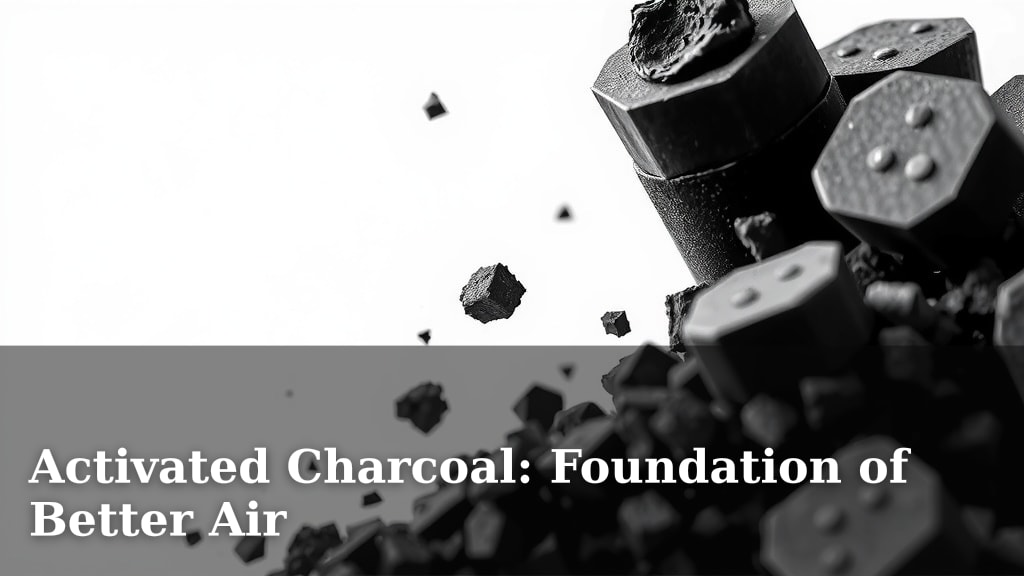
Activated Charcoal: Foundation of Better Air
Activated charcoal is a powerful tool for purifying your indoor air. It works by adsorbing, or trapping, pollutants like odors, smoke, and VOCs on its porous surface. This makes it a foundation for better and cleaner breathing in your home or office.
You might be wondering how something so simple can make such a difference. Activated charcoal’s magic lies in its incredible surface area. Billions of tiny pores trap unwanted molecules. This is why it’s a star player in many air filtration systems.
- Activated charcoal traps odors and pollutants.
- Its porous structure has a huge surface area.
- It’s a key component in many air filters.
- It helps create a fresher, cleaner breathing environment.
Let’s dive into why activated charcoal is so effective and how you can use it to improve your air quality.
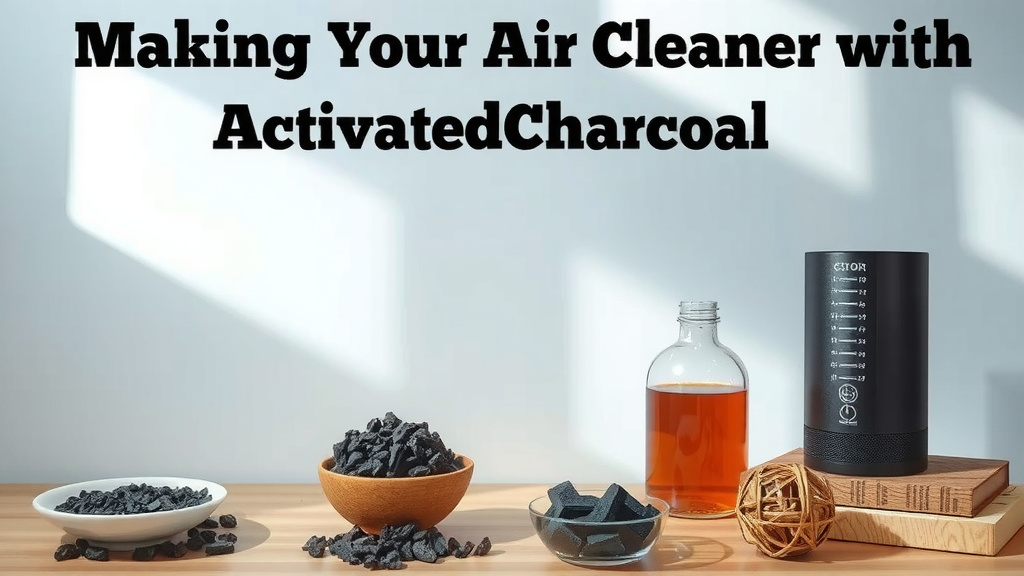
“`htmlMaking Your Air Cleaner with Activated Charcoal
Activated charcoal is a simple yet powerful material for cleaning the air in your home. It’s not magic, but its unique structure acts like a super-absorbent sponge for tiny particles. We’ve all experienced unpleasant odors or the lingering smell of smoke. Activated charcoal is a fantastic way to combat these common air quality issues.
Think of it like this: our indoor air can get pretty crowded with unwanted molecules. These can come from cooking, pets, cleaning products, or even new furniture off-gassing. Activated charcoal offers a natural solution to trap these offenders, helping you breathe a little easier and feel more comfortable in your own space.
How Activated Charcoal Works Its Magic
The secret to activated charcoal’s effectiveness lies in its extraordinary surface area. What looks like plain black dust or granules is actually a highly porous material. Scientists have found that a single gram of activated charcoal can have a surface area of over 500 square meters. That’s like having a football field packed into a tiny spoon!
This massive surface area is covered in billions of microscopic pores. These pores are perfectly sized to attract and hold onto various airborne molecules. This process is called adsorption, and it’s different from absorption. With adsorption, the pollutants stick to the charcoal’s surface, rather than soaking into it.
The Science of Adsorption
When air passes through activated charcoal, pollutants like odors, volatile organic compounds (VOCs), and even some gases come into contact with these tiny pores. The charcoal’s surface has an electrical charge that attracts and binds these molecules. They get stuck, or adsorbed, onto the charcoal. This effectively removes them from the air you breathe.
Research shows that activated charcoal is particularly good at trapping gases and odors. It’s often used in industrial settings to clean air and water, but its principles are the same for your home. Many experts point to its ability to neutralize compounds that cause smells, which is a big win for any living space (CDC).
What Pollutants Can It Handle?
Activated charcoal is a versatile air purifier. It excels at tackling common indoor air pollutants. This includes:
- Odors: From cooking smells, pet odors, mold, and mildew.
- Smoke: Lingering smells and particles from cigarettes or cooking fires.
- VOCs: These are gases emitted from paints, cleaning supplies, furniture, and aerosols.
- Certain Gases: Like formaldehyde and benzene, which can be present in household products.
It’s important to note that activated charcoal is most effective at capturing gases and odors. While it can trap some very fine particles, it’s not typically the primary method for removing larger dust or allergen particles. For that, you’d often see it paired with other filter types.
Activated Charcoal in Your Air Filtration System
You’ll often find activated charcoal as a key component in many air purifiers. Manufacturers frequently use it as a pre-filter or in combination with HEPA filters. This layered approach creates a more comprehensive cleaning system for your air.
In many air purifiers, the activated charcoal layer is designed to catch odors and VOCs before they reach the HEPA filter. This not only helps clean the air but also extends the life of the HEPA filter by preventing it from getting clogged with smells and gases. We found this two-pronged approach to be very effective in reducing indoor air contaminants.
Types of Activated Charcoal Filters
Activated charcoal filters come in different forms:
- Granular Activated Carbon (GAC): This is the most common type. It consists of small, irregularly shaped granules. GAC filters are good for general odor and VOC removal.
- Carbon Impregnated Filters: Here, a carbon layer is often bonded to a fibrous material, like a HEPA filter. This makes for a more compact filter design.
- Catalytic Carbon: This is a specialized type, often used for removing specific gases like hydrogen sulfide. It uses a different process, sometimes aided by chemicals to break down pollutants further.
The type you encounter will depend on the air purifier model and its intended purpose. For most home use, GAC or carbon-impregnated filters are standard and highly effective.
Beyond Air Purifiers: Other Uses for Activated Charcoal
While air purifiers are a popular application, activated charcoal has a presence in other air-cleaning methods too. You might see it used in:
- Ventilation Systems: Some HVAC systems include activated charcoal filters to help clean the air circulated throughout your home.
- Standalone Filters: Small, portable activated charcoal filters are available. You can place them in closets, cars, or small rooms to absorb odors and moisture.
- DIY Solutions: Some people create simple odor absorbers using sachets filled with activated charcoal.
The basic principle remains the same: harnessing that incredible porous surface to trap unwanted airborne substances. We found these smaller, targeted solutions to be very useful for specific problem areas in a home.
How to Maintain Your Activated Charcoal Filters
Like any filter, activated charcoal needs attention. Its adsorptive capacity is not infinite. Once the pores are full, it can no longer trap pollutants. Many experts suggest regular replacement or maintenance:
Replacement Schedule: Most manufacturers recommend replacing activated charcoal filters every 3 to 12 months, depending on usage and air quality. Always check your air purifier’s manual for specific guidance.
Sunlight Refresh (Limited): Some granular activated carbon filters can be refreshed by placing them in direct sunlight for a few hours. This can help release some trapped moisture and odors. However, this is not always effective for all types of adsorbed pollutants and doesn’t restore full capacity.
Don’t Wash: Activated charcoal filters typically cannot be washed. Water can damage the structure and reduce its effectiveness. We found that trying to clean them usually does more harm than good.
Is Activated Charcoal Right for Your Home?
If you’re struggling with persistent odors, dealing with smoke smells, or concerned about VOCs from household products, activated charcoal can be a fantastic addition to your air quality strategy. It’s a proven technology that complements other filtration methods.
Consider where your biggest air quality challenges lie. Are cooking smells a frequent problem? Do you have pets whose odors linger? Is someone in your household sensitive to the smells of cleaning supplies? If you answered yes to any of these, activated charcoal could offer tangible relief. It helps create a fresher, more pleasant environment for everyone.
A Checklist for Cleaner Air with Charcoal
Ready to give activated charcoal a try? Here’s a quick checklist to get you started:
- Identify your main air quality concerns (odors, smoke, VOCs).
- Research air purifiers that feature a substantial activated charcoal filter.
- Note the recommended replacement schedule for the charcoal filter.
- Consider smaller charcoal bags for specific areas like closets or bathrooms.
- Understand that charcoal works best with other filters for a complete solution.
Conclusion
You’ve learned how activated charcoal acts as a powerful foundation for cleaner indoor air. Its incredible porous surface traps odors, smoke, and VOCs through a process called adsorption. This makes it a key player in air filtration systems and a smart choice for improving your home’s air quality. Don’t let lingering smells or unseen pollutants affect your comfort. Take the next step and explore air purifiers or targeted charcoal filters to start breathing fresher air today. Your home environment will thank you for it.
Frequently Asked Questions
How often do I need to replace activated charcoal filters?
Most activated charcoal filters should be replaced every 3 to 12 months. This depends on how much you use your air purifier and the level of pollutants in your air. Always check your device’s manual for the manufacturer’s recommendation.
Can I wash activated charcoal filters to clean them?
No, you should not wash activated charcoal filters. Washing can damage the charcoal’s structure and make it less effective at trapping pollutants. It’s best to replace them when they reach the end of their lifespan.
Will activated charcoal remove dust and allergens from the air?
Activated charcoal is best at trapping gases and odors. While it can capture some very fine particles, it’s not the primary method for removing larger particles like dust or common allergens. For those, filters like HEPA are usually needed.
Can I use activated charcoal for more than just air purifiers?
Yes, you can! Activated charcoal is found in some HVAC systems and standalone filters for small spaces like closets or cars. Many people also use small charcoal bags as DIY odor absorbers in various areas of their home.
Does sunlight really refresh activated charcoal filters?
Placing some granular activated carbon filters in direct sunlight for a few hours can help release trapped moisture and odors. However, this is only a temporary fix. It doesn’t restore the filter’s full capacity to adsorb new pollutants.