Air Purifier vs Oxygen Concentrator: Differ
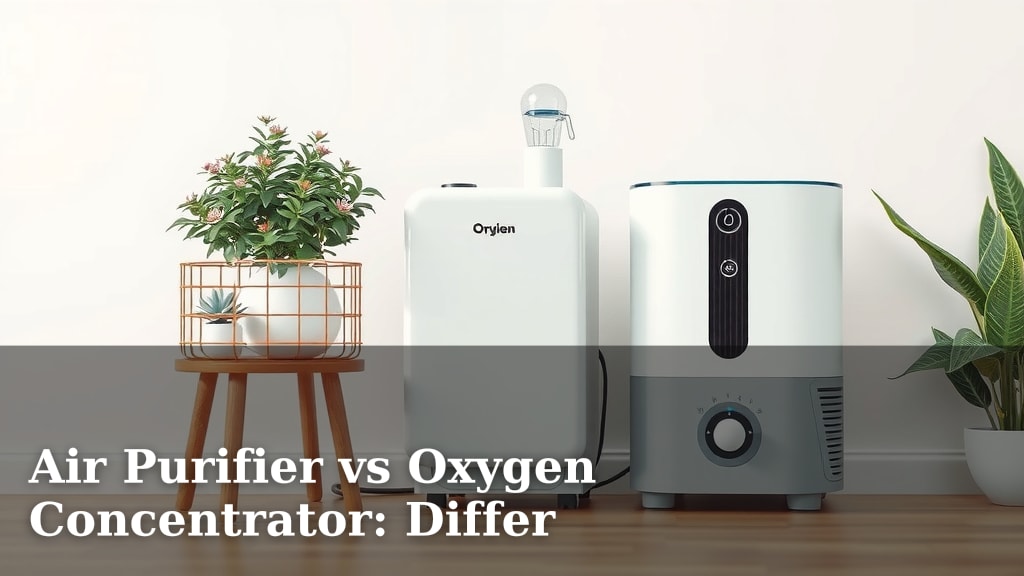
An air purifier cleans the air you breathe by removing pollutants. An oxygen concentrator produces a higher concentration of oxygen. While both affect the air, their main purpose and function are quite different.
You might be wondering if you need one or the other. Air purifiers help with allergies and general air quality. Oxygen concentrators are medical devices. They provide extra oxygen for people who have trouble breathing on their own. Understanding this core difference is key.
- Air purifiers filter out particles like dust and pollen.
- Oxygen concentrators increase the oxygen level in the air.
- Purifiers improve general air quality for many people.
- Concentrators are medical devices for specific health needs.
Let’s break down exactly how these devices differ and what each is best suited for.
Air Purifier vs. Oxygen Concentrator: Understanding the Core Differences
You might be wondering if an air purifier and an oxygen concentrator are the same thing. They both deal with the air you breathe. But they have **very different jobs**. Think of it this way: an air purifier is like a bouncer at a club. It checks everyone (air particles) coming in and keeps the troublemakers (pollutants) out. An oxygen concentrator is more like a bartender who customizes your drink. It takes regular air and boosts the specific ingredient you need more of: oxygen.
While both can affect your breathing environment, their primary purpose is distinct. One is for improving general air quality, and the other is a medical device for specific health conditions. Let’s get into the nitty-gritty of how they work and what they’re best for.
How an Air Purifier Works to Clean Your Air
An air purifier’s main goal is to remove tiny particles from the air. These particles can include dust, pollen, pet dander, mold spores, and even some bacteria and viruses. It helps make the air cleaner and potentially easier to breathe, especially for people with allergies or asthma. We found that many common household allergens can be significantly reduced with a good air purifier.
The Filtration Process
Most air purifiers use a system of filters to trap these unwanted particles. The air is drawn into the unit. Then, it’s pushed through various filters before clean air is released back into the room. The effectiveness of an air purifier often depends on the type and quality of its filters.
Common Filter Types
- HEPA Filters: These are the gold standard. HEPA stands for High-Efficiency Particulate Air. A true HEPA filter can capture at least 99.97% of particles that are 0.3 microns in size. This is incredibly tiny!
- Activated Carbon Filters: These are great for absorbing odors and gases. Think cooking smells, pet odors, or VOCs (volatile organic compounds) from cleaning products or new furniture.
- Pre-filters: These catch larger particles like hair and lint. They help extend the life of the main HEPA filter.
When an Air Purifier Shines
Air purifiers are most beneficial for improving the overall air quality in your home or office. They can make a noticeable difference if you deal with:
- Seasonal allergies (pollen, dust mites)
- Pet dander and odors
- Lingering smells from cooking or smoke
- General stuffiness or dust in the air
We found that consistent use in a bedroom can lead to a less stuffy nose in the morning for many allergy sufferers (Cleveland Clinic).
How an Oxygen Concentrator Delivers Extra Oxygen
An oxygen concentrator is a medical device. Its purpose is to provide supplemental oxygen to people who have conditions that affect their ability to get enough oxygen on their own. This isn’t about cleaning the air; it’s about changing the air’s composition.
When you have certain lung diseases or other health issues, your body might not be getting enough oxygen from normal room air. An oxygen concentrator takes the air around you, which is about 21% oxygen, and increases that percentage. It then delivers this concentrated oxygen to you, usually through a mask or nasal cannula.
The Science Behind Oxygen Concentration
Oxygen concentrators use a process called pressure swing adsorption (PSA). Inside the machine are sieve beds filled with a material called zeolite. Here’s a simplified look at what happens:
The PSA Process Explained
- Room air is pulled into the concentrator.
- The air passes through the sieve beds. The zeolite material absorbs the nitrogen from the air.
- This leaves behind a more concentrated stream of oxygen.
- The oxygen is then delivered to the user.
The machine cycles between compressing and depressurizing the sieve beds. This allows it to continuously produce oxygen. Many experts say this is a safe and effective way to deliver supplemental oxygen (NIH).
When an Oxygen Concentrator is Needed
Oxygen concentrators are prescribed by a doctor. They are for individuals with medical conditions that cause low blood oxygen levels. Some common conditions include:
- Chronic Obstructive Pulmonary Disease (COPD)
- Emphysema
- Severe asthma
- Pulmonary fibrosis
- Certain heart conditions
If you’re experiencing shortness of breath, fatigue, or other symptoms of low oxygen, it’s essential to consult your doctor. They can determine if an oxygen concentrator is right for you.
Key Differences Summarized
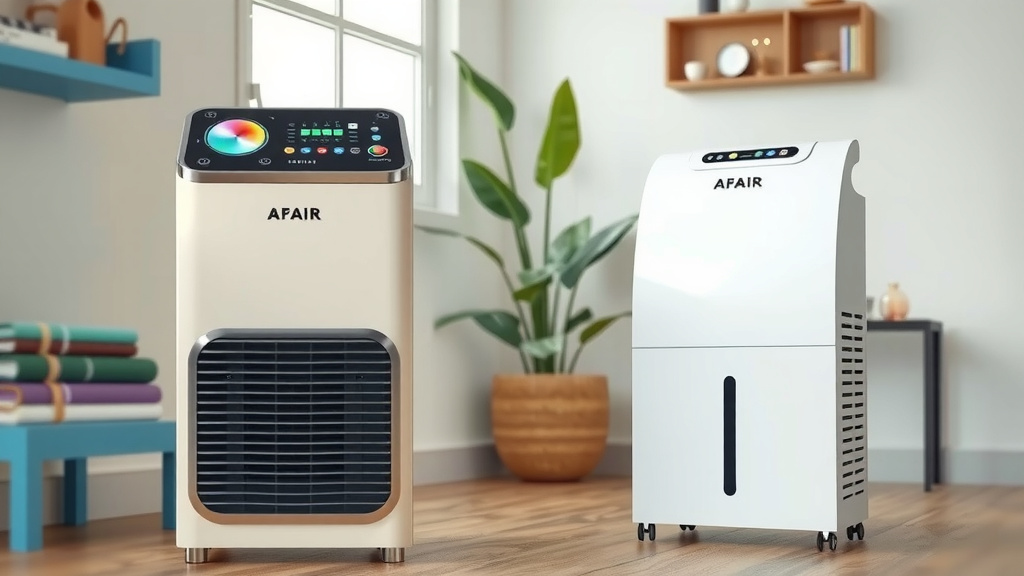
Let’s put it all together. The core distinction lies in their function and intended use. One aims to remove impurities, while the other boosts a vital gas.
We found that even within the medical field, there’s often confusion. So, here’s a quick rundown:
| Feature | Air Purifier | Oxygen Concentrator |
|---|---|---|
| Primary Function | Removes pollutants and allergens from the air. | Increases the concentration of oxygen delivered to the user. |
| Target User | Anyone wanting cleaner indoor air, especially allergy/asthma sufferers. | Individuals with medical conditions causing low blood oxygen levels (doctor prescribed). |
| How it Works | Uses filters (HEPA, carbon) to trap particles and odors. | Uses PSA technology to separate nitrogen from air, concentrating oxygen. |
| Air Composition Change | Removes contaminants; oxygen level remains the same. | Significantly increases the percentage of oxygen (e.g., to 85-95%). |
| Medical Device? | No, generally considered a home appliance. | Yes, a medical device requiring a prescription. |
Which One Might You Need? A Quick Checklist
Still trying to figure out which device might be relevant for you or a loved one? Let this quick checklist help guide your thoughts. Remember, an oxygen concentrator is always a medical decision made with a doctor.
- Do you suffer from seasonal allergies or asthma symptoms indoors?
- Are pet dander, dust, or odors a constant issue in your home?
- Is the air in your living space generally stuffy or dusty?
- Do you want to improve the overall freshness of your indoor air?
- Are you experiencing shortness of breath or fatigue related to lung conditions?
- Has a doctor diagnosed you with a condition requiring supplemental oxygen?
If you answered “yes” to the first four, an air purifier might be a good consideration for your home. If you answered “yes” to the last two, you likely need to discuss an oxygen concentrator with your healthcare provider. They are not interchangeable tools.
Conclusion
You now understand that air purifiers and oxygen concentrators serve very different purposes. An air purifier is your ally for cleaner indoor air, tackling allergens and odors with advanced filtration. It’s about making the air you breathe more pleasant and healthy for everyday living. On the other hand, an oxygen concentrator is a vital medical tool. It’s prescribed by a doctor to deliver concentrated oxygen for specific health needs. Never confuse the two; they are not interchangeable. If you’re concerned about air quality, consider an air purifier. If you’re experiencing breathing difficulties, consult your physician.
Frequently Asked Questions
Can an air purifier help me if I have COPD?
An air purifier can help reduce airborne irritants like dust and pollen, which may offer some comfort if you have COPD. However, it does not increase the oxygen level in the air. It’s designed to clean the air, not to provide supplemental oxygen.
Is an oxygen concentrator safe to use without a doctor’s prescription?
No, an oxygen concentrator is a medical device that should only be used under the guidance of a healthcare professional. Using one without a prescription can be dangerous and may mask underlying health issues that require proper medical attention.
How often should I replace the filters in my air purifier?
Filter replacement frequency varies by model and usage, but generally, HEPA filters should be replaced every 6-12 months, and activated carbon filters may need replacing more often. Always check your air purifier’s manual for specific recommendations.
Will an oxygen concentrator make the air in my room feel different?
An oxygen concentrator delivers a higher concentration of oxygen, but it doesn’t typically change the air temperature or humidity noticeably. Its primary function is to increase the oxygen percentage, not to alter the overall feel of the room’s air.
Can a child use an oxygen concentrator?
Yes, children can use oxygen concentrators, but only when prescribed by a pediatrician. The dosage and delivery method will be specifically adjusted for their age and medical needs.