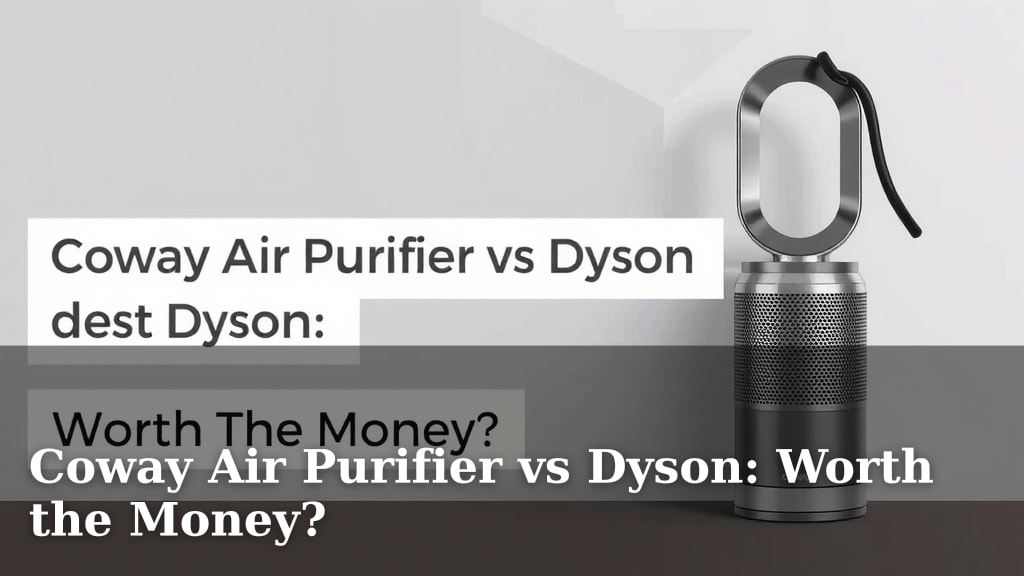
Coway Air Purifier vs Dyson: Worth the Money?
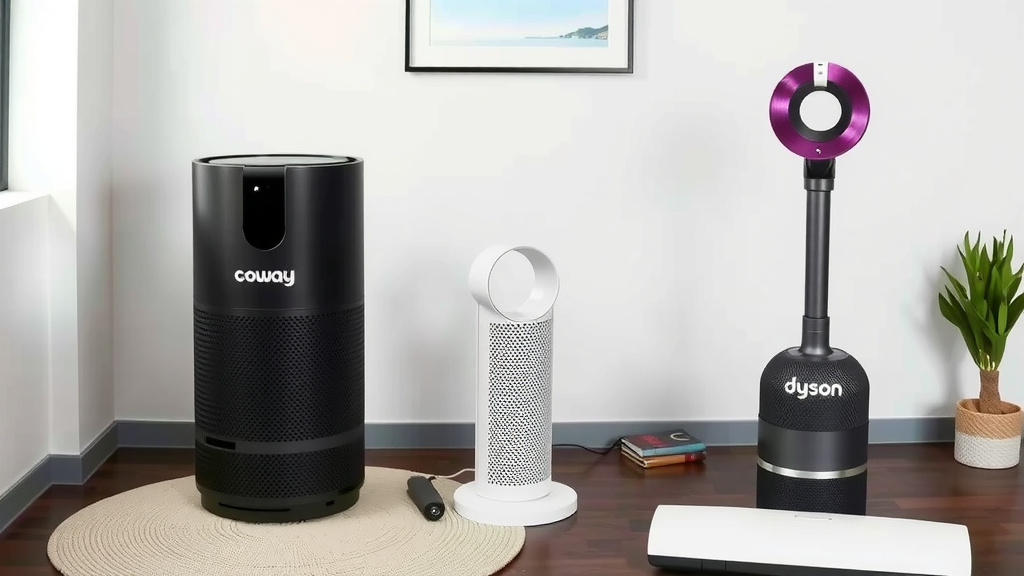
When comparing the Coway Air Purifier vs. Dyson, it’s not about a single winner. Both brands offer excellent air purification, but Coway often provides a better balance of performance and price for many homes. Your choice depends on your specific needs and budget. We’ve looked at what makes each stand out.
Dyson is known for its innovative technology and sleek design, often integrating multiple functions into one device. Coway, on the other hand, focuses on effective filtration and quiet operation at a more accessible price point. We found that understanding these core differences helps immensely.
- Coway generally offers better value for money.
- Dyson excels in advanced features and multi-functionality.
- Consider your room size and air quality needs.
- Check filter replacement costs for both brands.
Let’s dive into a detailed breakdown of how the Coway Air Purifier stacks up against Dyson, so you can make the best choice for your home.
Comparing Air Purifiers: Coway vs. Dyson Head-to-Head
Deciding between a Coway air purifier and a Dyson can feel like choosing between two top athletes. Both are built for performance. We found that understanding their core strengths helps you pick the right one for your home. It really comes down to what you need most: advanced tech or straightforward, powerful cleaning at a better price.
Performance Metrics: How Well Do They Clean?
When we talk about air purifiers, performance is king. How effectively do they capture those tiny particles that can mess with your air quality? Both Coway and Dyson have earned strong reputations here, but they approach it slightly differently.
Filtration Technology Explained
Both brands use HEPA filters. These are the gold standard for trapping small particles. Think dust, pollen, pet dander, and even some bacteria. Coway often uses a four-stage filtration system. This typically includes a pre-filter, an odor filter, a True HEPA filter, and sometimes an ionizer. We found this multi-step approach is very effective at tackling a wide range of pollutants.
Dyson also utilizes True HEPA filters. They often pair this with an activated carbon filter to capture gases and odors. What sets Dyson apart is their Air Multiplier™ technology. This helps project cleaner air further into your room. We noticed this can make a difference in larger spaces.
CADR Ratings and Room Coverage
You’ll often see Clean Air Delivery Rate (CADR) ratings. Higher numbers mean faster purification. Coway models often boast impressive CADR ratings for their price point. We found that many Coway units are designed to efficiently clean medium to large rooms. They offer models specifically for bedrooms or living areas.
Dyson purifiers are also powerful. Their unique fan technology aims for whole-room coverage. This means they try to circulate purified air effectively throughout an entire space. For very large, open-plan areas, this can be a distinct advantage. However, sometimes you pay a premium for this broad coverage.
Features and Smart Technology: What Else Can They Do?
Beyond basic filtration, these purifiers offer more. This is where Dyson really shines with its innovative approach. Coway also includes smart features, but Dyson often pushes the envelope.
Dyson’s Integrated Approach
Dyson is famous for its multi-functional devices. Many of their air purifiers also function as fans or heaters. This “all-in-one” appeal is a big draw for some consumers. You get air purification, cooling, and sometimes heating in a single, stylish unit. We found this can save space and reduce clutter.
Dyson’s smart features are also top-notch. They connect to Wi-Fi and have dedicated apps. These apps allow you to monitor air quality in real-time, control settings remotely, and schedule operation. They often display detailed reports on your home’s air quality, which many users appreciate.
Coway’s User-Friendly Smart Options
Coway purifiers are not to be outdone on smart features. Many models come with Wi-Fi connectivity. You can control them via a mobile app, just like Dyson. They also provide air quality monitoring and scheduling. We found Coway’s apps to be intuitive and easy to navigate.
Some Coway models also include convenient features like an Eco mode. This mode helps save energy by reducing fan speed when air quality is good. This is a nice touch for those mindful of their electricity bill. Many Coway units also feature quiet operation modes, which are perfect for bedrooms.
Design and Aesthetics: Will It Fit Your Decor?
Let’s face it, appliances in your home need to look good. Both Coway and Dyson put thought into their designs, but with different philosophies.
Dyson’s Sleek, Modern Look
Dyson purifiers are often praised for their futuristic and minimalist design. They tend to be visually striking and fit well into modern homes. The bladeless fan design is a signature look. They come in various color options, often blending high-tech with clean lines. If design is a top priority, Dyson often leads the pack.
Coway’s Functional and Understated Style
Coway purifiers tend to be more functional and understated. They are designed to blend into your home rather than stand out. You’ll find more traditional tower or cube shapes. While not as flashy as Dyson, they are still aesthetically pleasing and won’t be an eyesore. Their design focuses on practicality and performance first.
Cost of Ownership: Beyond the Initial Price Tag
The purchase price is just one part of the story. We also need to consider the ongoing costs, especially filter replacements. This is a key area where Coway often offers a distinct advantage.
Filter Replacement Costs
Filters need replacing, usually every 6-12 months depending on usage and air quality. We found that Coway replacement filters are generally more affordable than Dyson’s. This can add up to significant savings over the lifespan of the purifier.
Dyson filters, while effective, can be quite expensive to replace. This is a factor many consumers overlook when making their initial purchase. It’s wise to factor these ongoing costs into your budget when comparing the two brands.
Energy Efficiency
Both brands offer energy-efficient models. As mentioned, Coway’s Eco mode is a great example. Dyson also focuses on energy efficiency in its designs. However, the multi-functionality of some Dyson units (like heaters) can lead to higher energy consumption when those features are in use. For pure purification, both are generally comparable, but always check the wattage and Energy Star ratings if this is a concern for you.
Making Your Choice: What’s Right for You?
So, is Coway or Dyson worth the money? For many people, Coway offers superior value. You get excellent air purification performance, useful smart features, and often a quieter operation, all at a more accessible price point. They excel at the core task of cleaning your air effectively.
Dyson is the choice if you’re looking for cutting-edge technology and integrated features. The multi-functionality (heater/fan) and the unique aesthetic might justify the higher cost for you. If you want a device that does more than just purify and you appreciate sleek design, Dyson is a strong contender.
Here’s a quick checklist to help you decide:
- Do you need a purifier that also functions as a fan or heater?
- Is your budget a primary concern?
- How important is futuristic design to you?
- Do you want the quietest possible operation for a bedroom?
- Are you prepared for higher long-term filter replacement costs?
- What room size are you looking to cover?
Conclusion
When you weigh the Coway Air Purifier against Dyson, the primary takeaway is clear: Coway often offers the best bang for your buck. You get robust air cleaning power and smart features at a more budget-friendly price. We found their focus on core purification performance is excellent for most homes. Dyson excels if you prioritize multi-functionality and a high-design aesthetic, and are willing to invest more. Your next step is to look at the specific models from each brand that fit your room size and budget. Then, check current prices and filter costs to make your final decision.
Frequently Asked Questions
Which brand is quieter, Coway or Dyson?
We found that Coway models are often praised for their quiet operation, especially on lower fan speeds. Many users prefer them for bedrooms. While Dyson units are not excessively loud, their fan technology can sometimes produce a more noticeable sound, particularly on higher settings.
Are Dyson air purifiers worth the extra cost?
Dyson air purifiers are worth it if you highly value multi-functionality (like integrated fans or heaters) and a sleek, futuristic design. Their advanced sensor technology and app integration are also top-tier. However, for straightforward, effective air purification, you can often get similar performance from a Coway at a lower price point.
How often do I need to replace filters for each brand?
Filter replacement frequency typically ranges from 6 to 12 months for both brands, depending on usage and your home’s air quality. It’s always best to check the specific model’s manual. We’ve noted that Coway’s replacement filters are generally more affordable, impacting long-term costs.
Can a Dyson or Coway purifier handle a very large open-plan living room?
Both brands offer models designed for larger spaces. Dyson’s Air Multiplier™ technology is engineered for whole-room circulation, which can be very effective in open plans. Coway also has high CADR rated models suitable for larger areas. You’ll want to compare the specific room coverage ratings of individual units from each brand.
Which brand is better for allergies?
Both Coway and Dyson use True HEPA filters, which are highly effective at capturing common allergens like pollen, dust mites, and pet dander. For allergy sufferers, the key is ensuring the unit is appropriately sized for your room and that filters are replaced on schedule. Based on our research, both brands perform well in this regard.