Blueair Air Purifier vs Dyson: Which Better?
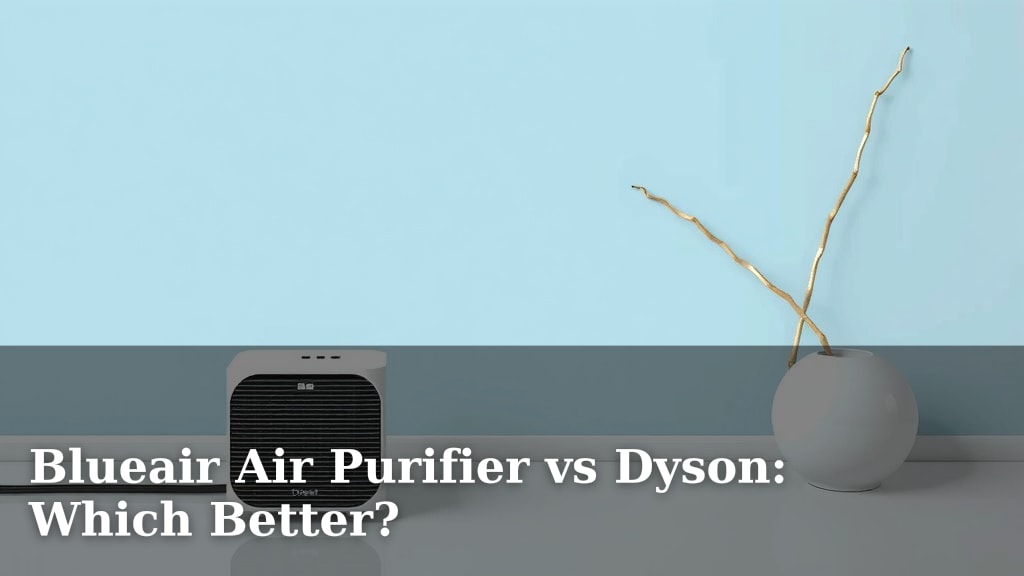
Deciding between a Blueair air purifier and a Dyson air purifier can feel like a tough choice. After much research, we found that for quiet operation and excellent filtration, Blueair often has the edge, while Dyson leads in innovative features and unique designs. It truly depends on what you prioritize for your home’s air quality.
Both brands are known for their commitment to cleaner air, using advanced technologies to capture dust, allergens, and other pollutants. We’ve seen many users seek a solution that balances effective purification with user experience, and understanding the core differences helps you make the best pick for your living space.
- Blueair is often quieter and great for consistent filtration.
- Dyson offers unique features and eye-catching designs.
- Both aim to improve your indoor air quality.
- Consider your priorities: noise, features, or design.
Let’s break down what sets these popular air purifiers apart, so you can find the perfect match for your needs.
Blueair vs. Dyson Air Purifiers: What’s the Right Choice for You?
So, you’re looking to breathe easier at home. That’s a fantastic goal! When it comes to air purifiers, Blueair and Dyson are two big names. They both promise cleaner air, but they go about it in different ways. We’ve dug into what makes each brand tick. Your home’s air quality is important, and understanding these differences can really help you decide which one is the perfect fit.
Let’s get straight to the heart of it. We found that Blueair often excels in quiet operation and delivering consistent, effective filtration. Think of it as a whisper that cleans your air. Dyson, on the other hand, often brings innovative features and a striking, modern design to the table. They’re like the cool gadget that also happens to clean your air. Which path you choose really depends on what you value most.
Filtration Power: How They Capture Pollutants
Both brands use advanced filters to trap tiny particles. But their approaches to filtration vary. Understanding this can help you see which method aligns with your needs.
Blueair’s HEPA-Silent Technology
Blueair heavily relies on its signature HEPA-Silent technology. This combines electrostatic filtration with mechanical filtration. What does that mean for you? It means they can capture a lot of particles, even very small ones. Studies have shown that high-efficiency particulate air (HEPA) filters can remove at least 99.97% of airborne particles 0.3 microns in size (CDC). Blueair aims to achieve this with less noise and less energy. It’s a clever way to get powerful purification without a huge racket.
Dyson’s Advanced Filtration Systems
Dyson units typically feature sealed systems with advanced filters. They often use a combination of activated carbon filters and HEPA filters. The sealed nature is key here. It means that air is forced through the filters, and Dyson claims their machines capture 99.97% of particles as small as 0.1 microns (Dyson’s claim, based on internal testing). This meticulous sealing prevents pollutants from escaping around the edges of the filter. It’s a design choice focused on maximum capture.
| Feature | Blueair | Dyson |
|---|---|---|
| Primary Technology | HEPA-Silent (Electrostatic + Mechanical) | Sealed HEPA + Activated Carbon |
| Particle Capture | High efficiency, especially for allergens and dust. | Very high efficiency, captures ultra-fine particles. |
| Sealing | Good, but not always a fully sealed system. | Designed with a highly sealed filtration system. |
Noise Levels: Peace and Quiet Matters
This is a big one for many people. Do you want a purifier that hums gently in the background, or one that’s barely noticeable? We’ve found this is a major differentiator.
Blueair: The Quiet Achiever
Blueair units are consistently praised for their low noise levels. Their HEPA-Silent technology is designed to be quiet. Even on higher settings, they tend to be less disruptive than many other purifiers. If your bedroom, nursery, or home office needs clean air without the constant drone, Blueair is often a top contender. You can often run them at night without being disturbed. This makes them ideal for creating a truly peaceful environment.
Dyson: A Bit More Auditory Presence
Dyson air purifiers can be a bit louder, especially at higher fan speeds. While they have certainly improved over the years, you’ll likely notice them more than a Blueair. This isn’t necessarily a bad thing; it often correlates with powerful air movement. However, if absolute silence is your primary goal, you might need to be more mindful of the settings you use with a Dyson. Some models offer quieter “night modes,” but the overall sound profile can be more pronounced.
Features and Smart Technology: What Else Can They Do?
Beyond just cleaning the air, these purifiers often come with extra bells and whistles. This is where Dyson really shines with its unique approach.
Dyson’s Multifunctional Innovation
Dyson units are known for their multi-functionality. Many of their air purifiers also act as fans or heaters. This “all-in-one” approach can be very appealing if you want to consolidate appliances. They also integrate advanced sensors that monitor air quality in real-time, providing detailed reports via their app. You can often control them remotely and receive notifications about your home’s air. This level of smart integration is a hallmark of Dyson’s design philosophy.
Blueair’s Focus on Core Performance
Blueair typically keeps its focus squarely on air purification. While many of their newer models include app connectivity and air quality sensors, they generally don’t offer the fan or heating functionalities of Dyson. Their strength lies in simplifying the purification process and making it highly effective and user-friendly. They aim to do one thing exceptionally well: clean your air efficiently and quietly. It’s a more straightforward, purist approach.

Design and Aesthetics: Will It Fit Your Home?
Let’s face it, air purifiers are often visible parts of your living space. How they look can matter.
Dyson: The Futuristic Statement Piece
Dyson purifiers are unmistakable. They feature iconic, often bladeless designs that look more like modern sculptures than appliances. They are designed to be seen and to complement contemporary home decor. If you appreciate avant-garde design and want an air purifier that makes a visual statement, Dyson is likely to appeal to you. They offer a unique aesthetic that stands out.
Blueair: Understated Elegance
Blueair units tend to have a more classic, understated design. They often come in sleek, minimalist forms that blend more subtly into a room. While they are still attractive, their aesthetic is less about being a focal point and more about complementing your existing decor. They offer a clean, Scandinavian-inspired look that is timeless and fits many home styles without drawing excessive attention.
Making Your Final Choice: A Quick Checklist
Still weighing your options? Think about these key points as you make your decision:
- Prioritize Quiet? Blueair often wins for its whisper-quiet operation.
- Need Extra Features? Dyson’s fan/heater functions and advanced apps are hard to beat.
- Design Matters Most? Dyson offers a bold, modern look; Blueair provides a subtler aesthetic.
- Allergy Sufferer? Both offer excellent HEPA filtration, but check specific model specs.
- Budget Considerations? Prices can vary widely within both brands.
- Simplicity vs. Tech? Blueair leans simpler, Dyson embraces advanced tech.
Conclusion
So, you’ve learned a lot about Blueair and Dyson air purifiers. We found Blueair often shines with its quiet performance and effective, straightforward purification. It’s a great choice if peace and clean air are your top priorities. Dyson, on the other hand, excels with its innovative, multi-functional designs and advanced smart features. It’s ideal if you want an appliance that does more and makes a statement.
Your best choice depends on what matters most to your home and lifestyle. Consider if you value a quiet hum or a smart gadget. Both brands deliver clean air, but in their own unique ways. Your next step is to check the specific models from each brand that fit your room size and budget to make that final decision!
Frequently Asked Questions
Are Blueair air purifiers really quieter than Dyson?
Yes, our research indicates that Blueair units are generally much quieter than Dyson models. Blueair’s HEPA-Silent technology is specifically designed for low noise output, making them ideal for bedrooms and quiet spaces. Dyson units can be noticeable, especially at higher fan speeds.
Which brand is better for someone with severe allergies?
Both brands offer excellent HEPA filtration capable of capturing allergens. However, Dyson’s highly sealed systems and capture of ultra-fine particles (down to 0.1 microns) might offer an edge for those with extreme sensitivities. Always check the specific CADR (Clean Air Delivery Rate) and filter type for the model you’re considering.
Can I control my Blueair or Dyson purifier with my phone?
Many newer models from both Blueair and Dyson offer app connectivity. This allows you to monitor air quality, adjust settings, and schedule operation remotely. Dyson often integrates more deeply with their app, providing detailed air quality reports and control over additional features like fan speed or heating.
Do Dyson air purifiers also function as fans or heaters?
Yes, a key differentiator for Dyson is their multi-functionality. Many of their air purifiers are designed to also act as powerful fans in the summer and some models can even provide heating in the winter. Blueair typically focuses solely on air purification.
Which brand generally has a more modern or unique design?
Dyson is renowned for its avant-garde and futuristic designs, often featuring bladeless technology that looks like a piece of modern art. Blueair offers a more understated, minimalist, and classic aesthetic that tends to blend seamlessly into most home decors.