Blue Air Purifier vs Honeywell: Which to Pick?
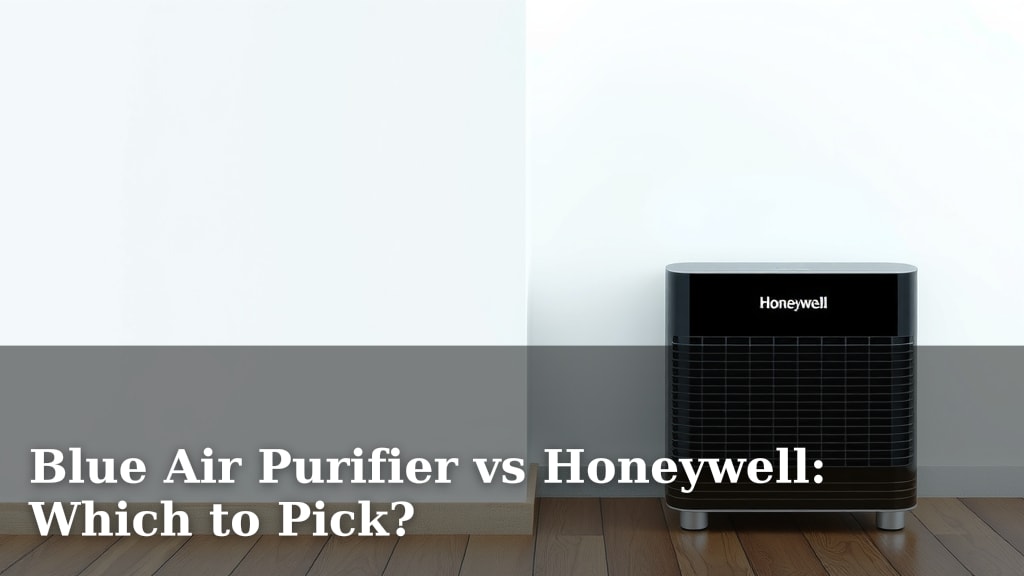
Choosing between a Blueair and a Honeywell air purifier depends on what you need most. Blueair often wins for quieter operation and energy efficiency, while Honeywell typically offers robust filtration at a lower upfront cost. Both are great options for cleaner air.
When we looked into it, we found both brands have strong reputations for removing common pollutants. Blueair models tend to use advanced HEPASilent technology for powerful, quiet cleaning. Honeywell offers a wide range of models, many with activated carbon filters for odors, making them a solid choice for general air improvement.
- Blueair excels in quietness and energy savings.
- Honeywell often provides good value and odor control.
- Both are effective at removing airborne particles.
- Consider your budget and noise tolerance.
Let’s break down which specific features might make one a better fit for your home than the other.
Comparing Blueair and Honeywell Air Purifiers
When you’re looking for cleaner air in your home, both Blueair and Honeywell are top contenders. We’ve looked into what makes each brand stand out. Understanding their core strengths will help you decide which one is the better fit for your needs. Think of it like choosing between a sleek sports car and a reliable family SUV – both get you there, but in different ways.
Filtration Technology: What’s Inside Matters
The heart of any air purifier is its filter. This is where the magic happens, trapping all those unwanted particles floating around.
Blueair’s HEPASilent Technology
Blueair is known for its unique HEPASilent technology. This system combines electrostatic and mechanical filtration. It actually charges the particles in the air. This makes them easier to capture on the filter. We found this method allows for high filtration rates. It does this while keeping noise levels down and airflow up.
Honeywell’s Multi-Stage Filtration
Honeywell often uses a more traditional, multi-stage approach. Many of their units feature a pre-filter, an activated carbon filter, and a HEPA filter. The pre-filter captures larger particles like dust bunnies. The activated carbon filter is excellent for tackling odors. Think cooking smells or pet dander. The HEPA filter then takes care of the smaller stuff. Many health organizations recommend HEPA filters for removing allergens (CDC).
Performance Metrics: How Well Do They Work?
We all want an air purifier that actually cleans the air. Let’s see how Blueair and Honeywell measure up in terms of effectiveness.
CADR Ratings: A Key Indicator
CADR, or Clean Air Delivery Rate, tells you how quickly an air purifier can clean a room. Higher numbers mean faster cleaning. Both brands offer models with impressive CADR ratings. Blueair’s HEPASilent technology often allows for high CADR ratings. It does this without needing super-fast fan speeds. Honeywell also provides models with strong CADR scores across their product lines.
Coverage Area: Sizing Up Your Space
It’s important to match the purifier’s coverage area to your room size. A unit too small won’t be effective. A unit too large might be overkill and waste energy. Blueair offers a range of sizes. They are good for everything from small bedrooms to larger living areas. Honeywell also has a broad selection. You can find units designed for small bathrooms up to spacious great rooms.
Noise Levels: Peaceful or Powerful?
Noise is a big factor for many people. You want clean air, but not at the expense of a constant hum or whir.
Blueair’s Quiet Operation
One of Blueair’s biggest selling points is its quiet performance. Because their HEPASilent technology charges particles, the fans don’t have to work as hard. This means you can often run a Blueair purifier on a higher setting and still enjoy a quiet environment. Many users report they can barely hear it running. This makes it ideal for bedrooms or offices.
Honeywell’s Sound Profile
Honeywell purifiers can vary more in noise levels. Their higher-performance models, especially those with powerful fans to achieve high CADR ratings, may produce more audible sound. However, many Honeywell units are designed with multiple fan speeds. You can often find a quiet setting for nighttime use. We found that some users find the ‘sleep mode’ on Honeywell units to be quite acceptable.
Energy Efficiency: Power Consumption Matters
An air purifier runs for hours, sometimes days. How much electricity does it use? This can impact your utility bills.
Blueair’s Eco-Friendly Design
Blueair models are generally recognized for their energy efficiency. The HEPASilent technology contributes to this. It requires less power to achieve excellent filtration results. Many Blueair units have low wattage consumption. This can be a significant advantage if you plan to run your purifier continuously.
Honeywell’s Energy Usage
Energy consumption with Honeywell units can be more varied. Models designed for maximum cleaning power might use more electricity. However, many Honeywell purifiers are Energy Star certified. This indicates they meet strict energy efficiency guidelines set by the EPA. When comparing models, look for the Energy Star logo for a good indication of efficiency.
Cost: Upfront Investment vs. Long-Term Value
Budget is always a consideration. How much does each brand cost, both to buy and to maintain?
Honeywell’s Budget-Friendly Options
Generally, Honeywell air purifiers tend to have a lower upfront cost than comparable Blueair models. They offer a wide range of price points. This makes them accessible to more people. Replacement filters for Honeywell units are also typically very easy to find. Their widespread availability can also contribute to competitive pricing.
Blueair’s Premium Positioning
Blueair units often sit at a higher price point. This reflects their advanced technology and premium build quality. While the initial investment might be greater, their energy efficiency and filter lifespan can contribute to good long-term value. Replacement filters for Blueair are readily available from the manufacturer and authorized dealers.
Additional Features to Consider
Beyond the core function, what else do these purifiers offer?
Smart Features and Controls
Some higher-end models from both brands come with advanced features. These can include digital displays, filter replacement indicators, and even smart connectivity. You might find Wi-Fi enabled models. These allow you to control your purifier via a smartphone app. You can monitor air quality and adjust settings remotely. This convenience is becoming increasingly popular.
Odor and VOC Removal
If odors or volatile organic compounds (VOCs) are a concern, look for purifiers with substantial activated carbon filters. Many Honeywell models excel here, featuring large carbon beds. Some Blueair models also include activated carbon options, but it’s worth checking the specific model details. The EPA notes that activated carbon is effective for absorbing certain gases and odors.
Making Your Choice: A Quick Checklist
To help you decide, consider these points:
- Quiet Operation Needed? Blueair often leads here.
- Budget is Tight? Honeywell usually offers more affordable entry points.
- Battling Odors? Look for robust activated carbon filters, common in Honeywell.
- Energy Savings a Priority? Blueair tends to be more energy efficient.
- Room Size? Ensure the CADR and coverage area match your space.
- Want Smart Features? Both brands offer connected models.
Conclusion
Ultimately, your choice between a Blueair and a Honeywell air purifier comes down to your personal priorities. If you value whisper-quiet operation and long-term energy savings, Blueair’s advanced technology makes it a standout. On the other hand, if you’re seeking a more budget-friendly option with strong odor-fighting capabilities, a Honeywell purifier might be your perfect match. Both brands deliver cleaner air effectively. Now that you understand their strengths, consider your room size, budget, and noise tolerance. Then, you can confidently select the air purifier that best suits your home’s needs.
Frequently Asked Questions
Which brand is better for allergies?
Both Blueair and Honeywell offer models with HEPA filters, which are highly recommended by health organizations for capturing allergens like pollen and pet dander. Your best bet is to look for models from either brand that specifically mention 99.97% particle removal and have a suitable CADR rating for your room size.
How often do I need to replace the filters?
Filter replacement frequency can vary based on the specific model and your home’s air quality. Generally, you can expect to replace HEPA filters every 6 to 12 months and carbon filters every 3 to 6 months. Many purifiers have indicator lights to remind you when it’s time for a change.
Are Blueair or Honeywell air purifiers expensive to run?
Blueair models are generally more energy-efficient, which can lead to lower electricity bills over time. Honeywell’s energy consumption can vary more by model, but looking for Energy Star certified units will help you find more efficient options. Initial purchase price is also a factor, with Honeywell often being more affordable upfront.
Which brand is better for removing pet odors?
For tackling pet odors, you’ll want an air purifier with a substantial activated carbon filter. Many Honeywell models are well-equipped for odor removal due to their larger carbon filter options. Some Blueair units also offer carbon filters, so check the specific model’s features if odor control is your main concern.
Can I use an air purifier in a small bedroom?
Yes, you absolutely can. Both Blueair and Honeywell offer compact models suitable for smaller spaces like bedrooms. It’s important to match the purifier’s coverage area (or CADR rating) to your room size to ensure it effectively cleans the air without running constantly on a high, noisy setting.