Blue Air Purifier vs Dyson: Worth the Money?
Deciding between a Blueair and a Dyson air purifier? For many, the Dyson often comes out on top due to its superior filtration technology and smart features, though it carries a higher price tag. Blueair offers a more budget-friendly option that still provides effective air cleaning for most homes.
Both brands aim to improve your home’s air quality, removing allergens and pollutants. Dyson’s units often boast advanced sensors and app connectivity. Blueair focuses on powerful, quiet purification with a simpler design. Choosing the right one depends on your specific needs and budget.
- Dyson generally offers better filtration and smart features.
- Blueair is a more affordable, yet still effective, choice.
- Consider your budget and desired features for the best fit.
- Both brands significantly improve indoor air quality.
So, is the premium price of a Dyson truly worth it over a Blueair? Let’s break down what each has to offer to help you make the best choice for your home.
Comparing Blueair and Dyson Air Purifiers: Which is Right for You?
Deciding between a Blueair and a Dyson air purifier can feel like choosing between two really good options. Both brands promise cleaner air for your home. But they do it in slightly different ways, and at different price points. You might be wondering if that higher Dyson price tag really means better air quality for your family.
We’ve looked into what makes each of these air purifiers stand out. We’ll help you understand their strengths and weaknesses. This way, you can feel confident about your choice. Let’s get into the nitty-gritty of filtration, features, and cost.
Filtration Technology: How They Clean Your Air
Air purifiers work by pulling air through a series of filters. They trap tiny particles like dust, pollen, pet dander, and even some viruses and bacteria. Both Blueair and Dyson use advanced filtration, but their approaches differ.
Dyson’s Filtration Approach
Dyson is known for its advanced HEPA filtration systems. They often use a sealed system. This means the air is forced through the filter and the machine’s housing. It helps prevent polluted air from leaking back into your room. Many Dyson models capture 99.97% of particles as small as 0.3 microns. This is a really tiny size. It means they’re effective against many common allergens.
Capturing Ultrafine Particles
Research shows that particles smaller than 1 micron can be especially problematic for respiratory health. Dyson’s focus on capturing these ultrafine particles is a key selling point. The activated carbon layer in their filters also helps remove gases and odors. This can be great for homes with smokers or pets.
Blueair’s Filtration Technology
Blueair also uses HEPA-level filtration. Many of their units employ a combination of electrostatic and mechanical filtration. This is often called their HEPASilent technology. It aims to capture a high percentage of particles efficiently. Blueair claims to remove 99.97% of particles down to 0.1 microns. This is even smaller than what Dyson typically targets.
Electrostatic Charging for Efficiency
The electrostatic component in Blueair’s system helps particles stick together. This makes them easier for the mechanical filter to trap. It can allow for higher airflow at lower fan speeds. This often results in quieter operation. Many users appreciate how quiet their Blueair purifiers are, especially for bedrooms.
Smart Features and Convenience Factors
Beyond just cleaning the air, modern air purifiers offer smart features. These can make them easier to use and monitor. Dyson often leads in this area.
Dyson’s Connectivity and Control
Dyson units are typically packed with sensors. They can detect different types of pollutants in your air. Many models connect to Wi-Fi. This allows you to control them with a smartphone app. You can check air quality reports, set schedules, and adjust settings remotely. This level of control is very appealing for tech-savvy users. The app often provides detailed historical data too.
Blueair’s User Experience
Blueair also offers smart features, though perhaps not as extensive as Dyson’s. Many of their units have Wi-Fi connectivity and companion apps. You can monitor air quality and control the purifier from your phone. Some models also have simple, intuitive controls directly on the unit. They focus on ease of use. You won’t feel overwhelmed by too many options.
Design and Aesthetics: Blending into Your Home
An air purifier is often a visible appliance in your home. Its design can matter.
Dyson’s Distinctive Look
Dyson purifiers have a unique, modern aesthetic. They often feature a bladeless fan design. This can look very sleek and futuristic. They come in various colors and finishes to match different decors. Some Dyson models also double as heaters or fans, adding versatility.
Blueair’s Minimalist Style
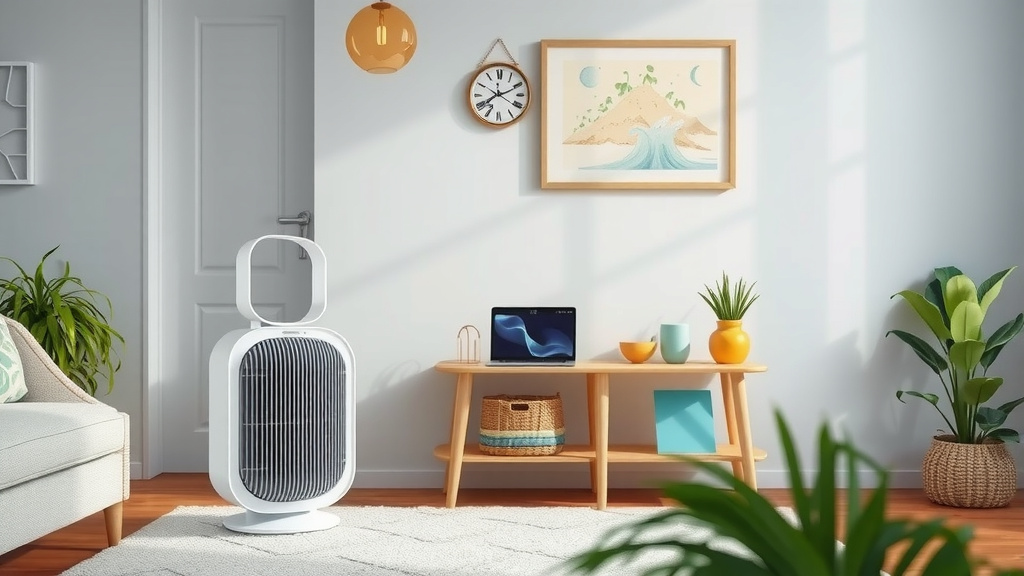
Blueair units generally have a more minimalist and Scandinavian-inspired design. They tend to be more compact and blend easily into most rooms. Their focus is on functionality and unobtrusive integration. You’ll find them in neutral colors that don’t draw too much attention.
Cost and Value: What’s the Investment?
Price is a major factor for most consumers. Air purifiers are an investment in your health and home environment.
Dyson’s Premium Pricing
Dyson air purifiers are generally at the higher end of the price spectrum. The advanced technology, smart features, and distinctive design contribute to their cost. You’re paying for the innovation and brand reputation. Replacement filters can also add to the long-term expense.
Blueair’s Competitive Pricing
Blueair typically offers more budget-friendly options. While still a quality investment, their units are often more accessible than comparable Dyson models. The cost of replacement filters is also competitive. This makes the ongoing ownership more affordable for many households.
Which Air Purifier is Best for Your Needs?
Choosing between Blueair and Dyson depends on what you prioritize. Here’s a quick breakdown to help you decide:
- Choose Dyson if: You want the absolute latest in filtration technology and smart features. You appreciate app control and detailed air quality data. You don’t mind paying a premium for a distinctive design and multi-functionality (like heating or cooling).
- Choose Blueair if: You’re looking for effective, quiet air purification at a more accessible price. You value simplicity and a minimalist design. You need reliable performance without all the bells and whistles of higher-end models.
Quick Checklist for Your Decision
To make your final choice, consider these points:
- What is your budget for the initial purchase?
- What is your budget for replacement filters?
- How important are smart features like app control?
- Do you need your purifier to be ultra-quiet?
- What size room will the purifier be used in?
- Do you prefer a modern or minimalist design?
Both Blueair and Dyson make excellent air purifiers. They can significantly improve the air you breathe. By understanding their differences, you can pick the one that best fits your lifestyle and budget. Happy breathing!
Conclusion
Deciding between a Blueair and a Dyson air purifier comes down to your priorities. Dyson offers advanced filtration and smarts, perfect if you want the latest tech and detailed control, even at a higher price. Blueair provides excellent, quiet purification that’s more accessible for many budgets. We found both are effective at cleaning your air. Consider your budget, essential features, and room size. Then, choose the purifier that best fits your home and breathing needs. Your investment in cleaner air is a worthwhile step for your well-being.
Frequently Asked Questions
Are Blueair filters as good as Dyson filters?
Both brands use HEPA-level filtration. Blueair’s HEPASilent technology claims to capture particles down to 0.1 microns, while Dyson often targets 0.3 microns. Dyson’s sealed system design is also a strong point for preventing leaks.
Is a Dyson air purifier worth the extra cost compared to Blueair?
If you prioritize advanced smart features, detailed air quality tracking via an app, and a distinctive design, a Dyson might be worth the premium. For effective, quiet purification without the high-end tech, Blueair offers strong value.
Which brand is quieter: Blueair or Dyson?
Blueair often gets praise for its quiet operation, thanks to its HEPASilent technology, which allows for high airflow at lower fan speeds. Dyson units are generally quiet, but some users report their advanced features can sometimes lead to more noticeable fan noise.
Can I control my Blueair or Dyson purifier with my phone?
Yes, many models from both brands offer Wi-Fi connectivity. You can typically download a companion app to monitor air quality, adjust settings, and set schedules remotely. This is a common feature on their mid-range and higher-end units.
How often do I need to replace filters for Blueair and Dyson?
Filter replacement frequency depends on usage and air quality, but typically ranges from 6 to 12 months for both brands. Always check your specific model’s manual and the air purifier’s indicators for the best guidance.