Blue Air Purifier vs Levoit: Better Buy?
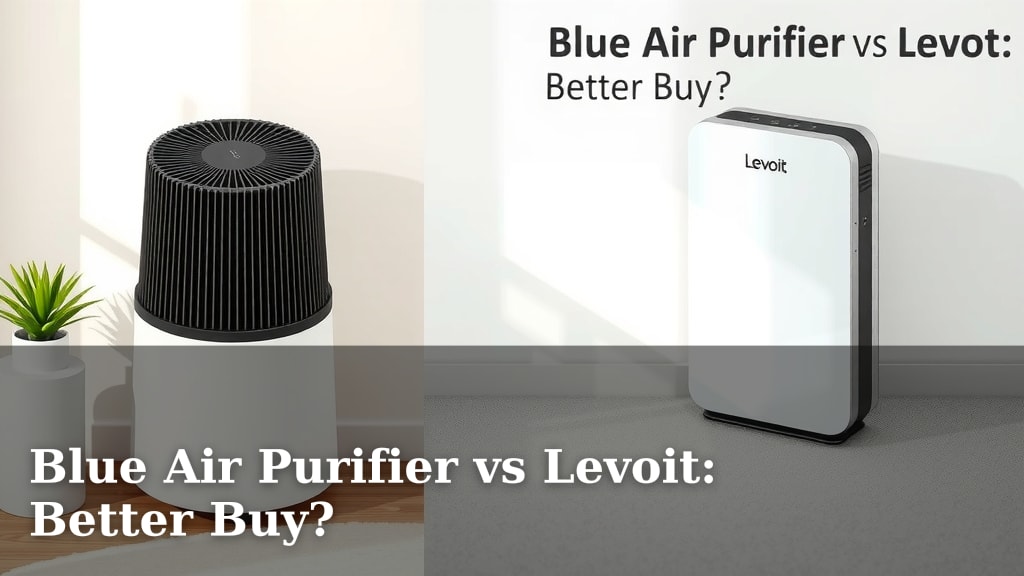
When deciding between a Blue Air purifier and a Levoit, the better buy often comes down to your specific needs and budget. Both brands offer effective air purification, but Levoit generally provides a strong balance of performance and affordability for many homes. Blue Air models can be more powerful for larger spaces, but at a higher cost.
Choosing the right air purifier means considering room size, noise level, and the types of pollutants you want to tackle. We’ve researched how these popular brands stack up. You want cleaner air without breaking the bank, right? We get it. Let’s look at what makes each a good contender and help you make a smart choice for your healthy home environment.
- Levoit often wins for budget-friendly, effective purification.
- Blueair can be a powerhouse for larger rooms, but pricier.
- Consider your room size and specific air quality concerns.
- Think about noise levels and filter replacement costs too.
Let’s break down the Blue Air vs. Levoit comparison to help you figure out which one deserves a spot in your home.
Choosing Your Air Purifier: Blueair vs. Levoit
Deciding between Blueair and Levoit air purifiers can feel like a big choice. Both brands aim to give you cleaner air. We’ve looked into what each offers. Your best bet depends on what matters most to you. Let’s see how they compare so you can make a confident pick.
Understanding Your Air Quality Needs
Before diving into brand specifics, think about your home. What are you trying to solve? Are allergies a problem? Do you have pets? Is there a lot of dust? Knowing this helps narrow down the options. Many people use air purifiers for a fresher, healthier living space.
Common Air Pollutants
Air purifiers tackle various issues. These include dust, pollen, pet dander, and mold spores. They can also help with smoke and strong odors. Some models are better at removing smaller particles like viruses and bacteria. The EPA notes that indoor air can be two to five times more polluted than outdoor air.
Room Size Matters
An air purifier’s effectiveness is tied to the room it’s in. A unit designed for a small bedroom won’t work well in a large living room. You need to match the purifier’s coverage area to your space. Check the CADR (Clean Air Delivery Rate) ratings. This tells you how quickly a unit can clean the air. Higher CADR means faster cleaning.
Levoit Air Purifiers: The Budget-Friendly Powerhouse
Levoit has gained popularity for good reason. They often provide excellent performance without a hefty price tag. Many models offer a great balance for average-sized rooms. If you’re looking for solid performance on a budget, Levoit is a strong contender.
Key Levoit Features
Levoit units typically feature multi-stage filtration. This often includes a pre-filter, an activated carbon filter, and a True HEPA filter. True HEPA filters are designed to capture 99.97% of airborne particles. These are as small as 0.3 microns. Many Levoit models are also known for being remarkably quiet, especially on lower settings. This is a big plus for bedrooms or offices.
Levoit Models to Consider
Popular Levoit models include the Core 300 and the Vital 100. The Core 300 is a compact option, perfect for smaller rooms. The Vital 100 is a bit larger and can handle medium-sized spaces. Both use a 3-stage filtration system. They are generally easy to set up and operate.
Blueair Air Purifiers: Premium Performance
Blueair positions itself as a premium brand. Their purifiers often feature advanced technology and sleek designs. They are known for their powerful performance, especially in larger living areas. However, this performance usually comes at a higher price point.
What Sets Blueair Apart
Blueair uses its own unique filtration technology, called HEPASilent. This combines electrostatic charging with mechanical filtration. Blueair claims this method is quieter and more energy-efficient than traditional HEPA filters. Their units often have a higher CADR, making them suitable for bigger spaces. Many units also boast smart features and app control.
Popular Blueair Series
The Blueair Classic and Blueair HealthProtect series are well-regarded. The Classic series offers robust performance for various room sizes. The HealthProtect series is designed with advanced features for enhanced air quality. These models can be an excellent choice if you need to purify larger open-plan areas or have significant air quality concerns.

Comparing Key Aspects: Blueair vs. Levoit
Let’s look at some direct comparisons. This table highlights how these brands stack up in important areas. This can help you see the differences clearly.
| Feature | Levoit | Blueair |
|---|---|---|
| Price Range | Generally more affordable | Typically higher priced |
| Filtration Technology | True HEPA, Activated Carbon | HEPASilent, True HEPA (on some models) |
| Best For | Small to medium rooms, budget-conscious users | Medium to large rooms, premium features |
| Noise Level | Often very quiet | Generally quiet, but can be louder on high settings |
| Filter Replacement Cost | Moderate | Can be higher |
| Smart Features | Varies by model, some offer app control | Often includes app control and smart sensors |
Filter Costs and Longevity
Don’t forget the ongoing cost of filters. Levoit filters are generally less expensive to replace. They typically last between 6 to 12 months. Blueair filters can be pricier. Their lifespan also varies, often between 6 to 12 months. Check the specific model for filter life. Replacing filters is essential for continued performance.
Noise Levels and Sleep Settings
Noise is a big factor, especially for bedrooms. Many Levoit models are praised for their quiet operation. They often have a ‘sleep mode’ that dims lights and reduces fan speed. Blueair units are also designed to be quiet. However, on their highest settings, some models might be more noticeable. If silence is golden, check reviews for specific decibel ratings.
Making Your Final Decision: A Quick Checklist
So, which one is for you? Consider these points:
- What is the square footage of the room you need to purify?
- What is your budget for the initial purchase and ongoing filter costs?
- Are noise levels a major concern for your living space?
- Do you need advanced features like smart controls or air quality sensors?
- How sensitive are you or your family members to airborne allergens?
- Do you have pets or specific odor concerns?
Conclusion
Choosing between a Blueair and a Levoit air purifier really comes down to your unique needs and what you can spend. We found that Levoit offers fantastic value for most homes, delivering effective purification without a high price tag. It’s often the go-to for smaller to medium rooms and for those prioritizing quiet operation and budget. If you have a larger space or need top-tier features, Blueair might be your better investment, despite the higher cost. Think about your room size, noise tolerance, and budget. Then, make the choice that leads to cleaner, healthier air for you.
Frequently Asked Questions
Is Levoit good enough for allergies?
Yes, Levoit air purifiers with True HEPA filters are generally very effective for allergies. They capture 99.97% of airborne particles as small as 0.3 microns. This includes common allergens like pollen, pet dander, and dust mites, which can significantly improve your indoor air quality.
Can Blueair purifiers handle large open spaces?
Blueair purifiers, especially their larger models and those with higher CADR ratings, are designed for effective performance in medium to large rooms. Their HEPASilent technology is engineered for powerful air cleaning, making them a solid choice for open-plan living areas or bigger spaces.
Which brand is quieter, Blueair or Levoit?
We found that Levoit models are often praised for their quiet operation, especially on lower fan speeds and in sleep mode. While Blueair units are also designed to be quiet, some users report them being slightly more noticeable on higher settings compared to equivalent Levoit models.
How often do I need to replace filters for each brand?
Filter replacement frequency for both Blueair and Levoit typically ranges from 6 to 12 months, depending on usage and air quality. It’s important to check the specific model’s recommendations. Consistent filter replacement is key to maintaining the purifier’s effectiveness.
Are Blueair filters more expensive than Levoit filters?
Generally, yes. Our research indicates that Blueair filters tend to have a higher price point than Levoit filters. While both require ongoing investment, the cost of replacement filters is usually a more significant factor for Blueair purifiers.