Dyson Air Purifier vs Winix: Best for Home?
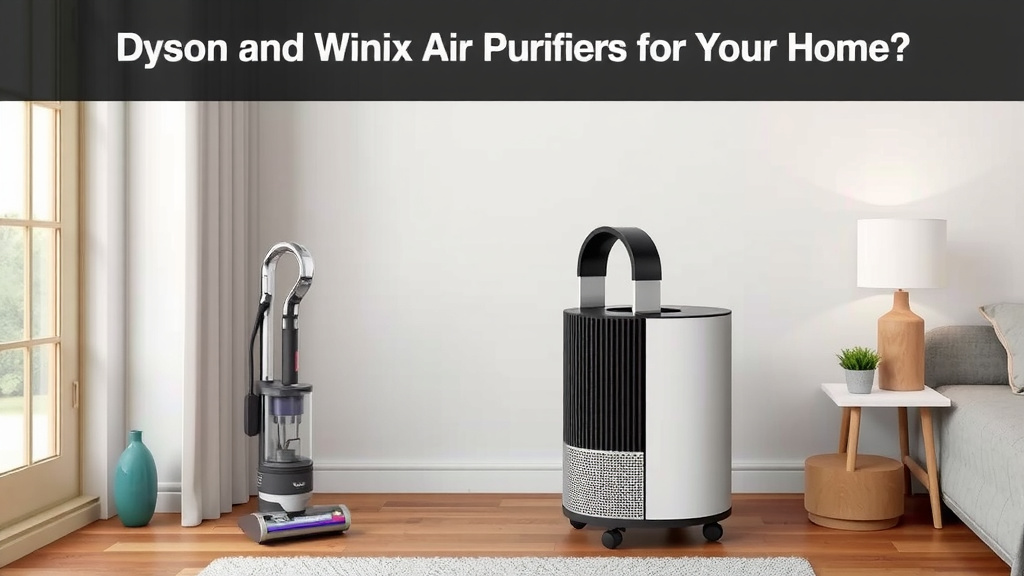
Choosing between a Dyson Air Purifier and a Winix Air Purifier depends on your priorities, but for most homes seeking effective air cleaning without breaking the bank, Winix often offers better value. While Dyson boasts premium features and sleek design, Winix purifiers deliver impressive performance at a more accessible price point.
Both brands aim to tackle common household air pollutants like dust, pollen, and pet dander. However, we found that Dyson’s advanced filtration and unique bladeless fan technology come with a considerable cost. Winix, on the other hand, provides solid filtration systems and smart features that compete well, making it a strong contender for everyday use.
- Dyson: Premium price, advanced tech, sleek design.
- Winix: Excellent value, strong performance, smart features.
- Best for value: Winix often wins.
- Best for unique tech: Dyson stands out.
Let’s dive into a side-by-side comparison to help you decide which air purifier is the right fit for your home.
Comparing Dyson and Winix Air Purifiers for Your Home
You’re looking for cleaner air in your home, and that’s a smart move. Both Dyson and Winix offer excellent air purification solutions. We’ve researched them thoroughly to help you figure out which one fits your needs and your budget best. Let’s break down what each brand brings to the table.
Filtration Technology: How They Clean Your Air
At the heart of any air purifier is its filtration system. This is where the magic happens, trapping those pesky particles that can affect your air quality. Both Dyson and Winix use multi-stage filtration, but they have some key differences.
Dyson’s Advanced Filtration Approach
Dyson is known for its innovative technology. Their purifiers often feature a combination of a sealed HEPA filter and an activated carbon layer. This setup is designed to capture a very high percentage of tiny particles, like allergens and pollutants. The HEPA filter is incredibly effective at trapping microscopic dust, pollen, and pet dander. The carbon filter then works to reduce gases and odors. Dyson often touts their sealed systems, meaning air is drawn through the filters without leakage.
Winix’s Multi-Stage Purification
Winix also employs a robust multi-stage process. Typically, you’ll find a pre-filter for larger particles like hair, followed by an activated carbon filter for odors and VOCs (Volatile Organic Compounds). The real workhorse is usually a True HEPA filter, which is designed to capture 99.97% of airborne particles as small as 0.3 microns. Many Winix models also include their proprietary PlasmaWave technology. This feature breaks down airborne pollutants at a molecular level, working in addition to the filters. While it’s an extra layer of cleaning, some users prefer to have the option to turn it off, and we found it effectively tackles odors and irritants.
Performance and Coverage: How Much Air Can They Clean?
It’s not just about the filters; it’s also about how efficiently they clean the air in your space. Air changes per hour (ACH) is a key metric here. It tells you how many times the purifier can cycle all the air in a room within an hour.
Dyson’s Room Coverage
Dyson purifiers are often designed for smaller to medium-sized rooms. Their focus is on projecting purified air further into the room using their unique airflow technology. You’ll find that their coverage is generally effective for a single room. If you have a larger open-plan space, you might need multiple units or a more powerful model.
Winix’s Room Coverage Options
Winix offers a wider range of models designed for various room sizes. From small bedrooms to larger living areas, there’s likely a Winix model that fits your needs. We found that many Winix units provide a good number of air changes per hour, ensuring that the air in your room is filtered frequently and effectively. For example, a popular Winix model might be rated for a 300-350 square foot room, offering around 5 ACH.
Smart Features and Usability: Are They Easy to Live With?
In today’s world, we expect our appliances to be smart and easy to use. Both brands offer features that can make your life a little simpler.
Dyson’s Integrated Experience
Dyson purifiers often integrate seamlessly with their ecosystem. You can usually control them via a mobile app, allowing you to monitor air quality, adjust settings, and set schedules from anywhere. Many models also function as fans or heaters, offering multi-functionality. The design is usually very sleek and modern, fitting well into contemporary home decor. Their auto mode is responsive, adjusting fan speed based on real-time air quality readings.
Winix’s Smart Connectivity
Winix has also embraced smart technology. Many of their newer models come with Wi-Fi connectivity, allowing control through a smartphone app. This lets you monitor air quality, change settings, and receive filter replacement notifications remotely. Auto mode is a standard feature, as is a sleep mode that dims the lights and operates quietly. We appreciate that Winix often includes a remote control, offering a convenient way to adjust settings without needing your phone.
Cost of Ownership: What to Expect Long-Term
Beyond the initial purchase price, it’s essential to consider the ongoing costs, especially filter replacements.
Dyson: The Premium Investment
Dyson products generally come with a higher upfront cost. This reflects their advanced technology, premium materials, and unique design. Filter replacements for Dyson units can also be more expensive than those for other brands. While they are built to last, the initial investment is something to factor into your budget.
Winix: Excellent Value Proposition
Winix purifiers typically offer a more budget-friendly entry point. The initial purchase price is often significantly lower than comparable Dyson models. Crucially, the cost of replacement filters for Winix units is generally more affordable. This makes Winix a more economical choice for long-term air purification needs, providing great value for your money.
Making Your Decision: Which Air Purifier is Right for You?
So, after looking at the details, how do you choose? It really comes down to what you prioritize in an air purifier.
When to Choose Dyson:
You might lean towards Dyson if you’re looking for a premium, all-in-one solution that also functions as a fan or heater. If you appreciate innovative design and want integrated smart features controlled through a sleek app, Dyson is a strong contender. You’re willing to invest more upfront for advanced technology and a distinctive aesthetic.
When to Choose Winix:
Winix is often the winner for those seeking excellent performance without the premium price tag. If your primary goal is effective air filtration for common allergens and odors, and you want a reliable workhorse, Winix delivers. They provide a fantastic balance of smart features, purification power, and affordability. Many users find Winix offers the best value for keeping their homes healthy.
Key Considerations Checklist:
- Budget: How much are you comfortable spending upfront and long-term?
- Room Size: What area do you need to purify?
- Specific Needs: Are you targeting allergies, odors, or general air quality improvement?
- Smart Features: How important are app control and automation to you?
- Design Aesthetic: Do you prefer a high-tech, modern look or something more understated?
- Noise Levels: Is quiet operation a top priority, especially for bedrooms?
Our Foundational Comparison
To give you a quick snapshot, here’s a simplified comparison based on our research. It highlights the general strengths of each brand.
| Feature | Dyson | Winix |
|---|---|---|
| Initial Cost | Higher | Lower |
| Filter Cost | Higher | Lower |
| Core Filtration | Advanced HEPA + Carbon | True HEPA + Carbon + PlasmaWave (optional) |
| Smart Features | Premium App Control, Multi-function | Good App Control, Remote, Auto Modes |
| Best For | Tech-focused, Design-conscious, Premium Users | Value Seekers, Effective Everyday Purification |
Conclusion
You’ve explored the key differences between Dyson and Winix air purifiers. We found that while Dyson offers premium, design-forward technology, it comes at a higher cost. Winix, on the other hand, provides excellent purification performance and smart features that deliver great value for most households. For everyday air quality improvement without overspending, Winix often emerges as the smarter choice. Now that you understand their strengths, consider your budget and specific needs. Your next step is to compare specific models within your chosen brand to find the perfect fit for your home’s air.
Frequently Asked Questions
Is PlasmaWave technology on Winix purifiers safe?
Yes, Winix states their PlasmaWave technology is safe and has been tested by independent laboratories. It works to break down airborne pollutants at a molecular level, offering an additional layer of air cleaning beyond traditional filters. Many users appreciate that this feature can be turned on or off according to preference.
Do Dyson purifiers really clean a whole room effectively?
Dyson purifiers are designed to project purified air far into a room using their unique airflow technology. While effective for single rooms, especially medium-sized ones, they might require multiple units for very large open-plan spaces. Their focus is often on targeted air delivery rather than broad room coverage.
How often do I need to replace filters for Dyson and Winix?
Filter replacement frequency depends on usage and air quality, but generally, Dyson filters might last around 6-12 months. Winix filters often have a similar lifespan, with some HEPA filters recommended for replacement every 12 months and carbon filters every 3-6 months. Both brands typically provide app notifications when it’s time for a change.
Can I use an air purifier in my bedroom at night?
Both Dyson and Winix air purifiers can be used in bedrooms at night. Many models feature a quiet ‘sleep mode’ that dims indicator lights and operates at a lower, quieter fan speed. This ensures you can enjoy cleaner air without disruptive noise or light.
Which brand is better for severe allergy sufferers?
For severe allergy sufferers, both brands offer strong True HEPA filtration which captures 99.97% of tiny particles. Dyson’s sealed system ensures no air bypasses the filters, which can be a significant advantage. Winix also offers excellent HEPA filtration, and its PlasmaWave technology may help reduce airborne allergens further. Your choice might depend on budget and other desired features.