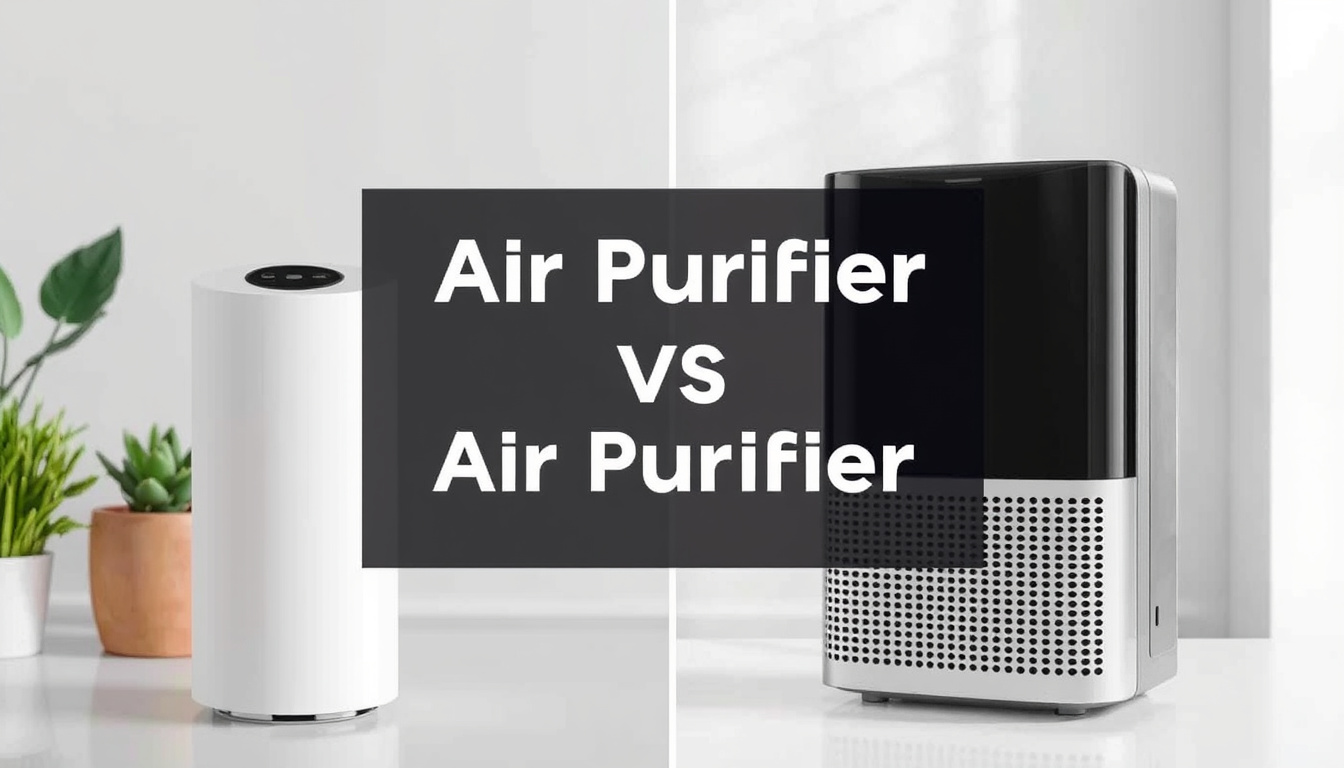
Air Purifier vs. Traditional Filters: Which One Actually Keeps Your Home Clean?
When you’re standing in the middle of a stuffy room wondering why your allergies are acting up, you start asking yourself some serious questions. Should you invest in an air purifier? Will traditional filters do the job? Or is there some other solution you haven’t considered yet? Let me tell you, I’ve been down this road myself, and the answers aren’t as straightforward as the marketing folks would have you believe.
The truth is, choosing between an air purifier and traditional filter options depends on understanding what each one actually does, what your home needs, and how much you’re willing to spend. Let’s dive into this comprehensive guide that’ll help you make an informed decision without all the confusing jargon.
First things first—what exactly is an air purifier doing when it’s sitting quietly in your bedroom? Think of it like a bouncer at a nightclub, but for your indoor air. It’s actively pulling air through itself and capturing contaminants before sending that cleaned air back into your room.
Most modern air purifiers work using one or more filtration methods. The most common is HEPA filtration, which stands for High-Efficiency Particulate Air. These filters can trap particles as small as 0.3 microns, which includes dust, pollen, pet dander, and even some bacteria. It’s pretty impressive when you think about how tiny those particles actually are.
The HEPA Filter Advantage
HEPA filters are genuinely effective because of their dense material and the way air is forced through them. When air passes through a HEPA filter, particles get caught in the fibers through several mechanisms—they either crash into fibers, get stuck due to electrostatic attraction, or simply get tangled up. It’s like trying to walk through a crowded airport terminal; eventually, you’re bound to bump into someone.
Activated Carbon Layers
Many quality air purifiers include activated carbon filters alongside HEPA filtration. These are particularly good at removing odors, gases, and volatile organic compounds (VOCs). If you’ve got cooking smells, pet odors, or chemical off-gassing from furniture, this is your answer. The activated carbon works like a sponge for these invisible troublemakers.
What About Traditional Filters? How Do They Compare?
Now, when we talk about traditional filters, we’re mostly referring to the filters in your HVAC system—you know, that thing you’re supposed to change every three months but sometimes forget about. Your furnace or air conditioning unit has been quietly filtering your air for years, and honestly, that’s worth acknowledging.
Traditional HVAC filters come in different ratings, from basic fiberglass filters to higher-MERV-rated options. MERV stands for Minimum Efficiency Reporting Value, and it basically tells you how good the filter is at capturing particles. The higher the MERV rating, the better the filtration—but there’s a catch.
The MERV Rating Explained
A MERV 1 filter is like leaving your windows wide open—it barely catches anything. A MERV 13 filter is much better and can trap things down to about 0.3 to 1 micron. Sounds good, right? Here’s the problem though: higher MERV ratings mean denser filters, and denser filters mean your HVAC system has to work harder to push air through them. If your system isn’t designed for high-MERV filters, you could end up restricting airflow, making your heating and cooling less efficient.
The Passive Nature of Traditional Filters
Here’s a crucial difference I want you to understand: traditional filters are passive. They sit there and wait for air to come to them through your HVAC system. They’re only active when your furnace or AC is running. If you’ve got your system set to only run when you need heating or cooling, your air isn’t being filtered all the time. An air purifier, on the other hand, can run 24/7, continuously pulling air and filtering it.
Air Purifier vs. Traditional Filters: A Head-to-Head Comparison
Filtration Coverage and Scope
Air purifiers excel at tackling the air in a specific room or zone. They pull air in all directions and filter it continuously. Traditional HVAC filters work on a whole-house basis but only when the system is running. If you have a large home, you’d need multiple air purifiers to achieve similar coverage, which gets expensive quickly.
Flexibility and Placement
You can pick up an air purifier and move it wherever you need it most. Dealing with allergies? Put it in your bedroom. Got a dusty home office? Move it there. Traditional filters? They’re stuck in your HVAC system, so they apply their filtration to the entire house at once. This is great for whole-house coverage but terrible if you have specific problem areas.
Cost Considerations
Let me be honest with you: a quality air purifier isn’t cheap. A good HEPA air purifier can cost anywhere from $200 to $700, plus you’ll need to replace filters annually. Traditional HVAC filters cost between $15 to $50 each, and you might replace them four times a year. The math might seem to favor traditional filters initially, but remember—an air purifier is a one-time investment that works immediately, while HVAC filters require your existing system to be present and functioning.
Installation and Setup
There’s absolutely zero installation required for an air purifier. You literally unbox it, plug it in, and you’re done. Traditional filters require either hiring an HVAC professional or getting comfortable with your furnace system yourself. For most people, filters are a DIY job, which is convenient, but it’s still more involved than an air purifier.
The Real World Performance: What Works Best for Different Situations
For Allergy Sufferers
If you’re struggling with allergies, an air purifier with HEPA filtration is going to be your best friend. Many people report significant relief within days of using a quality air purifier. The continuous operation means you’re constantly removing allergens from the air. A MERV 13 HVAC filter helps, but it’s not as aggressive as a dedicated air purifier.
For Pet Owners
Pet dander is stubborn, and it gets everywhere. You’ll need both solutions if you’re serious about tackling pet odors and fur. An air purifier with combined HEPA and activated carbon filtration will handle the smell and particles, while upgrading your HVAC filter to MERV 11 or higher ensures your whole-house system is also participating in the cleanup effort.
For Smoke and Odor Issues
This is where air purifiers really shine. If you’ve got smoke from cooking, candles, or other sources, you need the activated carbon component. Your HVAC filter alone won’t handle odors effectively. An air purifier with substantial activated carbon capacity is your solution.
For Asthma and Respiratory Concerns
When breathing is a concern, you want maximum protection. Combining a high-quality air purifier with upgraded HVAC filters creates a multi-layered defense system. The air purifier handles your immediate breathing space while the HVAC filter protects the rest of your home.
Other Alternatives You Might Not Have Considered
UV-C Air Purifiers
Some purifiers include UV-C light technology that kills bacteria and viruses. This is becoming increasingly popular, especially after people became more conscious about airborne pathogens. However, UV-C alone isn’t enough—you still need HEPA filtration to physically remove particles. Think of UV-C as the assassin that kills the bad guys, while HEPA is the bouncer that physically removes them from the venue.
Ionizers
Ionic air purifiers release negatively charged ions into the air. These ions attach to positively charged particles, causing them to clump and fall out of the air. The problem? There’s debate about their effectiveness, and they can produce ozone, which isn’t something you want in your lungs. Most air quality experts prefer HEPA-based systems.
Photocatalytic Oxidation (PCO) Technology
This newer technology uses UV light and a special catalyst to break down pollutants at a molecular level. It’s promising, but it’s not yet as proven or widespread as HEPA filtration. If you’re considering PCO, make sure it’s combined with traditional HEPA filtration rather than being your only line of defense.
Making the Right Choice for Your Home
Assess Your Primary Air Quality Issues
Start by asking yourself what’s actually bothering you. Are you sneezing constantly? That’s allergens. Does your room smell stale? You need something with activated carbon. Dealing with smoke? Same answer. Once you identify the problem, the solution becomes clearer.
Consider Your Home’s Size and Layout
An air purifier works best in a single room or open area. The rule of thumb is looking for a machine with an appropriate Clean Air Delivery Rate (CADR) for your space. If you have a sprawling home, you might need multiple purifiers or a whole-house solution like upgraded HVAC filters. Think about where you spend most of your time—that’s your priority zone.
Think About Your Budget Reality
Be honest about what you can afford. A combination approach—upgrading your HVAC filters to MERV 11 and adding a quality air purifier to your bedroom—might be perfect. Or perhaps a single good air purifier for your main living space is what makes sense for your wallet.
Evaluate Your Time Commitment
Are you the type who remembers to change filters regularly? Or do you need something more hands-off? Air purifiers require filter changes too, but at least you control the timing rather than having it tied to your HVAC system.
The Maintenance Reality Nobody Talks About
Here’s something that matters: both systems require maintenance. Air purifier filters need replacement typically every 6 to 12 months depending on usage and air quality. HVAC filters need changing every three months. If you neglect either, you’re not just wasting money—you’re actively hurting your air quality. A clogged filter is worse than no filter because it restricts airflow without effectively filtering.
Track your maintenance schedule. Write it on your calendar. Set phone reminders. Seriously, this is the part that determines whether your investment actually works.
Can You Use Both Together?
Absolutely, and honestly, this might be the smartest approach if you’re concerned about air quality. Upgrading your HVAC filter to MERV 11 ensures your whole-house system is doing its job, while a bedroom air purifier with HEPA and activated carbon gives you superior filtration where you spend a third of your life. It’s not either-or; it’s often both-and.
Energy Consumption: What’s This Going to Cost You?
Running an air purifier 24/7 does consume electricity. Most quality purifiers use between 30 to 100 watts depending on the fan speed. Over a year, that translates to roughly $10 to $40 in electricity costs, depending on your local rates. Not exactly breaking the bank, and certainly worth the investment if you’re experiencing respiratory issues or allergies.
Red Flags to Watch Out For
- Purifiers claiming to remove all pollutants—no system is 100% effective
- Machines with HEPA-type filters instead of true HEPA—there’s a difference, and it matters
- Anything marketed primarily as an ionizer without HEPA backup
- Filters that don’t come with replacement packs readily available
- Brands with no warranty or customer service reputation
Final Thoughts Before You Buy
The best air cleaning solution isn’t always the most expensive one or the one with the most features. It’s the one that actually solves your specific problem and fits into your life. Some people genuinely don’t need an air purifier—they just need to upgrade their HVAC filter and open windows more often. Others absolutely need a dedicated purifier because their allergies demand it.
Do your research. Read actual reviews from people with similar issues to yours. Ask yourself hard questions about your actual air quality problems. Then make a decision with confidence.
Conclusion
The air purifier versus traditional filter debate doesn’t have a universal winner. Traditional HVAC filters are cost-effective, essential maintenance that everyone with a furnace or AC should do properly. Air purifiers are specialized tools that excel at targeted, continuous filtration in specific spaces. The smartest approach for most homes involves both: maintaining quality HVAC filters for whole-house baseline protection and adding a HEPA air purifier where you spend the most time or where air quality problems are most acute. Your home’s air quality affects your sleep, your health, and your overall well-being, so this isn’t an area where you should settle for half-measures. Invest thoughtfully, maintain diligently, and breathe easier knowing you’ve given your family the clean air they deserve.
Frequently Asked Questions
How often should I actually replace my air purifier filter?
Most air purifier filters need replacement every six to twelve months, depending on your air quality and how much you run the unit. If you live in a dusty area or have pets, you might need more frequent replacements. Check your specific model’s recommendations, but also monitor the filter visually—if it looks dark or clogged, don’t wait for the suggested timeline. Running a purifier with a clogged filter defeats the purpose entirely.
Can an air purifier eliminate cooking odors from my entire home?
A single air purifier will reduce cooking odors in the room where it’s placed, but it won’t eliminate them from your entire home unless you’re running it in an open-concept space that connects to your kitchen. For whole-house odor control, you need both upgraded HVAC filters with activated carbon and a purifier near the source. Opening windows while cooking also helps dramatically.
Is a MERV 13 filter safe for my HVAC system?
This depends entirely on your specific HVAC system. Newer systems are often designed to handle MERV 13 filters, but older systems might not have the airflow capacity. If you install too dense a filter, your system works harder and less efficiently, potentially costing you more in energy bills. Check your system’s manual or call your HVAC installer before upgrading beyond MERV 11.
Will an air purifier help with pet allergies if I still have pets?
Yes, an air purifier will significantly reduce airborne pet dander and help with allergies, but it’s not a complete solution if you’re keeping the pet. You’ll also need to groom your pet regularly, upgrade your HVAC filter, and maintain consistent use of the purifier. Many people find that combination approach makes living with pets possible despite allergies.
What’s the difference between HEPA and HEPA-type filters?
True HEPA filters are regulated and certified to capture 99.97% of particles 0.3 microns or larger. HEPA-type filters are similar but aren’t certified to the same standards, so their actual performance might be less reliable. When shopping for an air purifier, always look for true HEPA certification, not just the label “HEPA-type.” The certification matters for performance.