Air Purifier vs Open Window: Better Air?
For fresher air, an air purifier often wins over an open window, especially if you’re dealing with outdoor allergens or pollution. While opening a window can bring in fresh air, it can also let in pollen, dust, and other unwanted particles. An air purifier, on the other hand, is designed to capture these irritants and circulate cleaner air inside your home.
Deciding between an air purifier and an open window depends on your specific needs. If your primary concern is removing indoor pollutants like pet dander or cooking fumes, an air purifier is your best bet. We found that for many people, the consistent removal of airborne particles makes a noticeable difference in air quality. An open window can be great for ventilation, but it’s less effective at filtering out fine particles and can let in unwanted outdoor elements like insects and noise.
- Air purifiers are generally better for removing indoor pollutants and allergens.
- Open windows provide fresh air but can also introduce outdoor allergens and pollution.
- Consider your main air quality concerns to choose the right solution.
- Air purifiers offer controlled filtration, while windows offer natural ventilation.
Let’s break down the pros and cons of each so you can decide what makes the most sense for your home’s air quality.
Air Purifier vs. Open Window: Which Is Best for Your Home’s Air?
When you think about improving your home’s air, two main options likely come to mind: opening a window for fresh air or using an air purifier. Both have their merits, but they tackle air quality in very different ways. We’ve looked into what makes each effective, and the choice really depends on what you’re trying to achieve.
An air purifier actively cleans the air inside your home. It draws in air, filters out pollutants, and then recirculates the cleaner air. An open window, on the other hand, relies on natural ventilation. It exchanges indoor air with outdoor air. While this can be refreshing, it doesn’t filter anything. Let’s explore the pros and cons of each in more detail.
The Case for Opening Your Windows
There’s something undeniably nice about a breath of fresh air. Opening your windows is the most natural way to bring it in. It’s also a fantastic way to reduce indoor air pollutants. Think about when you’re cooking or using cleaning products. Opening a window can quickly clear out those lingering smells and chemical vapors.
Benefits of Natural Ventilation
The biggest benefit of opening windows is simple: ventilation. It’s a free and easy way to swap stale indoor air for fresh outdoor air. This can help lower the concentration of indoor pollutants like carbon dioxide, volatile organic compounds (VOCs), and even moisture. The Centers for Disease Control and Prevention (CDC) often recommends increasing ventilation as a way to improve air quality and reduce the spread of airborne illnesses.
It’s also great for humidity control. On a dry winter day, opening a window for a short time can help reduce excessive indoor humidity. Conversely, on a humid summer day, it can help move that dampness out. You get a quick refresh without any mechanical parts.
When Opening Windows Isn’t Ideal
However, this natural approach has its drawbacks. The biggest issue? You have no control over what comes in with that fresh air. If you live near a busy road, opening your windows means inviting traffic fumes and particulate matter directly into your home. We found that air quality can drop significantly when windows are open during peak traffic times.
Outdoor allergens are another major concern. If you suffer from pollen allergies, opening your windows during allergy season is like rolling out the welcome mat for sneezes and itchy eyes. The same goes for dust and pet dander from neighboring homes. You might also have to contend with outdoor noise pollution and even unwanted insects making their way inside. For many people, the trade-off just isn’t worth it.
The Power of Air Purifiers
Air purifiers offer a more controlled approach to improving your indoor air. They are designed to actively capture airborne particles. This means they can effectively target specific pollutants you might be concerned about.
How Air Purifiers Work
Most air purifiers use a fan to draw air through a series of filters. The most common type is a High-Efficiency Particulate Air (HEPA) filter. HEPA filters are designed to capture 99.97% of particles that are 0.3 microns in size. This includes common culprits like dust, pollen, pet dander, mold spores, and even some bacteria and viruses.
Many purifiers also include activated carbon filters. These are excellent at absorbing odors and gases. So, if cooking smells, pet odors, or smoke are a problem in your home, a carbon filter can make a big difference. We found that purifiers with both HEPA and carbon filters offer the most comprehensive cleaning for a variety of indoor air issues.
Key Benefits of Using an Air Purifier
The primary advantage of an air purifier is its targeted filtration. Unlike an open window, it actively removes harmful particles from the air. This is especially beneficial for individuals with allergies, asthma, or other respiratory sensitivities. Many health organizations, like the Asthma and Allergy Foundation of America, suggest air purifiers as a helpful tool for managing symptoms.
Air purifiers also provide a consistent level of air cleaning. They work continuously in the background, so you don’t have to worry about outdoor conditions. You can maintain cleaner air inside, even when it’s not practical to open your windows. They also don’t let in the noise, bugs, or outdoor pollution that can come with open windows.
When Air Purifiers Might Fall Short
While effective, air purifiers aren’t a magic bullet for all air quality issues. They don’t bring in fresh oxygen or help reduce carbon dioxide levels like opening a window does. If your home feels stuffy and you suspect high CO2 levels, an air purifier alone won’t solve that. For that, you still need some form of ventilation.
Also, the effectiveness of an air purifier depends on several factors. You need to make sure you choose a model that’s the right size for your room. Running it consistently is also key. And, of course, you’ll need to replace the filters regularly. If filters aren’t changed, the purifier can become less effective or even recirculate pollutants. We’ve seen that neglecting filter maintenance is a common pitfall.
Comparing the Two: A Quick Snapshot
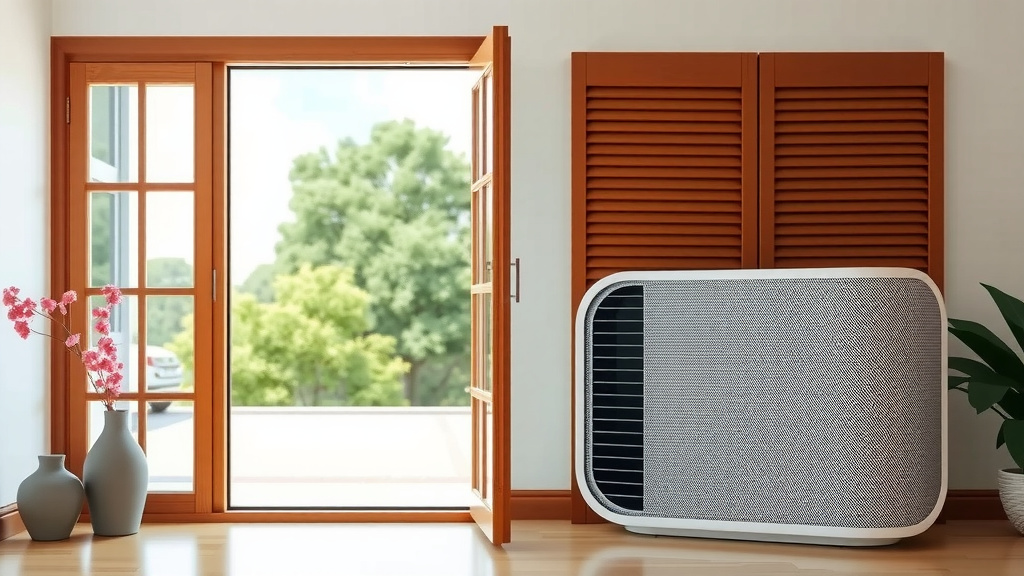
To help you decide, here’s a simple comparison of what each method offers:
| Feature | Air Purifier | Open Window |
|---|---|---|
| Primary Function | Filters indoor air, removes particles | Exchanges indoor air with outdoor air |
| Control Over Intake | High – filters specific pollutants | Low – intake depends on outdoor conditions |
| Allergen Removal | Excellent (with HEPA filter) | Poor – lets allergens in |
| Odor/Gas Removal | Good (with carbon filter) | Temporary – odors may return |
| Cost | Initial purchase + filter replacement costs | Free |
| Noise/Bugs | No | Yes |
Making the Right Choice for Your Home
So, which is better for you? We found that for most people concerned about common indoor air pollutants, an air purifier offers a more consistent and effective solution. If you have allergies, asthma, pets, or live in an area with high outdoor pollution, an air purifier is likely your best bet.
However, don’t discount the power of ventilation! Opening your windows is still a valuable tool. It’s great for quickly clearing out strong odors, reducing humidity, and bringing in fresh air when outdoor conditions are favorable. Many experts suggest a combination approach might be ideal.
When to Prioritize an Air Purifier
You should lean towards an air purifier if:
- You or family members suffer from allergies or asthma.
- You have pets that shed dander.
- You live in a busy urban area with traffic pollution.
- You want to reduce cooking smells or smoke odors.
- You want consistent air cleaning, regardless of the weather.
When Opening Windows is a Good Idea
Consider opening your windows if:
- You just want a quick refresh on a pleasant day.
- You’ve been doing a lot of cooking and want to air out the kitchen.
- You’ve used strong cleaning products.
- You need to quickly reduce indoor humidity.
- Outdoor air quality is excellent and allergens are low.
A Balanced Approach
Ultimately, the ideal solution might involve both. Use your air purifier for continuous cleaning of common pollutants. Then, strategically open your windows for ventilation when the outdoor air is clean and the weather is pleasant. This gives you the best of both worlds: filtered indoor air and natural fresh air when it makes sense.
Conclusion
You’ve learned that both air purifiers and open windows can improve your home’s air quality, but they do so differently. For consistent removal of indoor allergens like pet dander and dust, especially if you have sensitivities, an air purifier is your most reliable option. They offer controlled filtration that windows can’t match. However, opening windows remains a great, free way to ventilate and quickly remove strong odors or excess humidity when outdoor conditions are good. We found that the best approach often involves using both strategically.
Consider your primary air quality concerns and local environment. If you’re ready to take the next step, research air purifiers sized for your rooms and consider opening windows on pleasant days with clear outdoor air. You can achieve healthier air by making smart choices.
Frequently Asked Questions
Can an air purifier completely replace opening a window for fresh air?
No, an air purifier cannot replace the function of bringing in fresh oxygen and reducing CO2 levels that opening a window provides. While it cleans existing indoor air, it doesn’t exchange it with outdoor air. For optimal air quality, you still need some form of ventilation, whether through windows or other means.
How often should I replace my air purifier’s filters?
Filter replacement frequency depends on the model and how often you run the purifier, as well as your home’s air quality. Most manufacturers recommend replacing HEPA and carbon filters every 6-12 months. We found that checking the filter indicator light or visually inspecting them regularly is the best practice.
Is opening windows ever better than using an air purifier?
Yes, opening windows is often better for quickly reducing high concentrations of CO2 and strong odors from cooking or cleaning products. It’s also the only way to bring in genuinely fresh outdoor air when conditions are favorable. If your main goal is just a quick refresh on a nice day, a window is perfect.
What outdoor conditions make opening windows a bad idea?
Opening windows is not ideal when outdoor air quality is poor, such as during high pollen seasons, near heavy traffic, or when there’s wildfire smoke. You should also avoid it if the outdoor temperature or humidity is uncomfortable for your home. We found that checking local air quality reports is a smart move before opening up.
Can an air purifier help with smoke from cooking or fireplaces?
Yes, air purifiers with activated carbon filters are excellent at absorbing smoke odors and VOCs. A HEPA filter will also capture fine smoke particles. While it can help significantly, running it before and after the smoke occurs is most effective. For heavy smoke, ventilation by opening windows can also be beneficial.