Air Purifier vs AC Filter: Best for Dust?
When it comes to tackling dust, an air purifier is generally your best bet over an AC filter. While AC filters catch some dust, they aren’t designed for the same level of fine particle capture that an air purifier offers, making air purifiers the superior choice for cleaner indoor air and reducing dust.
Your home’s air conditioner filter primarily protects your HVAC system from dust and debris. It’s not focused on the tiny particles that affect your air quality. Air purifiers, on the other hand, use specialized filters, like HEPA, to capture much smaller allergens and dust, providing a noticeable difference in air freshness.
- Air purifiers are better for capturing fine dust.
- AC filters mainly protect your AC unit.
- Look for HEPA filters in air purifiers for maximum dust removal.
- Consider both for the cleanest possible air.
Let’s break down how each works and which will make your home feel dust-free.
“`htmlAir Purifier vs. AC Filter: Which Tackles Dust Best?
When you’re trying to get a handle on household dust, you might wonder if your air conditioner’s filter is doing enough. Or perhaps you’re considering an air purifier. Let’s clear the air on this common question. We found that an air purifier is generally the better choice for reducing the dust you see and breathe.
Your AC filter is like the bouncer for your HVAC system. Its main job is to keep big stuff, like pet hair and larger dust bunnies, out of your air conditioner. This protects the expensive machinery inside. An air purifier, however, is built with cleaning the air you breathe as its primary mission. It’s designed to catch much smaller particles that an AC filter often misses.
How Does an AC Filter Work for Dust?
Think of your AC filter as a large net. It’s placed in your return air duct. When your air conditioner kicks on, air is pulled through this filter. The filter traps larger particles in its fibers. This process helps keep your AC unit clean and running efficiently. It also traps some dust from your home’s air.
What Kind of Dust Does an AC Filter Catch?
AC filters are rated using MERV (Minimum Efficiency Reporting Value). A higher MERV rating means the filter can capture smaller particles. Most standard AC filters have a MERV rating between 1 and 8. These are good at catching things like lint, carpet fibers, and larger dust particles. They are not typically designed to capture the really fine dust that often causes allergy symptoms.
Limitations of AC Filters for Dust Control
While an AC filter does catch some dust, it’s not its main purpose. The finer dust particles, often less than 10 microns, can easily pass through these filters. These tiny particles can stay suspended in the air longer. They can then settle on surfaces throughout your home. Many experts agree that standard AC filters aren’t effective for allergy sufferers who are sensitive to fine dust (CDC).
How Does an Air Purifier Work for Dust?
Air purifiers are specifically designed to clean the air. They use a fan to draw air into the unit. Inside, the air passes through a series of filters. These filters are much more advanced than those in your AC unit. The goal is to trap a wide range of airborne particles, including very fine dust.
The Power of HEPA Filters
The star player in most good air purifiers is the HEPA filter. HEPA stands for High-Efficiency Particulate Air. A true HEPA filter is certified to capture at least 99.97% of airborne particles that are 0.3 microns in size. This includes fine dust, pollen, mold spores, and pet dander. We found that this level of filtration makes a noticeable difference in air quality.
What “Micron” Really Means
To give you an idea, a human hair is about 50-70 microns thick. Fine dust particles can be as small as 2.5 microns. Even smaller particles, called PM2.5, are a concern for air quality. A HEPA filter is so effective that it can trap particles hundreds of times smaller than the width of a human hair. This is why air purifiers excel at dust removal.
Other Air Purifier Filters and Technologies
Beyond HEPA filters, many air purifiers include other stages. Activated carbon filters are common. These are excellent at absorbing odors and gases. Some units also have pre-filters to catch larger particles, extending the life of the HEPA filter. Technologies like UV-C light or ionizers are also sometimes included, though their effectiveness for dust alone can vary.
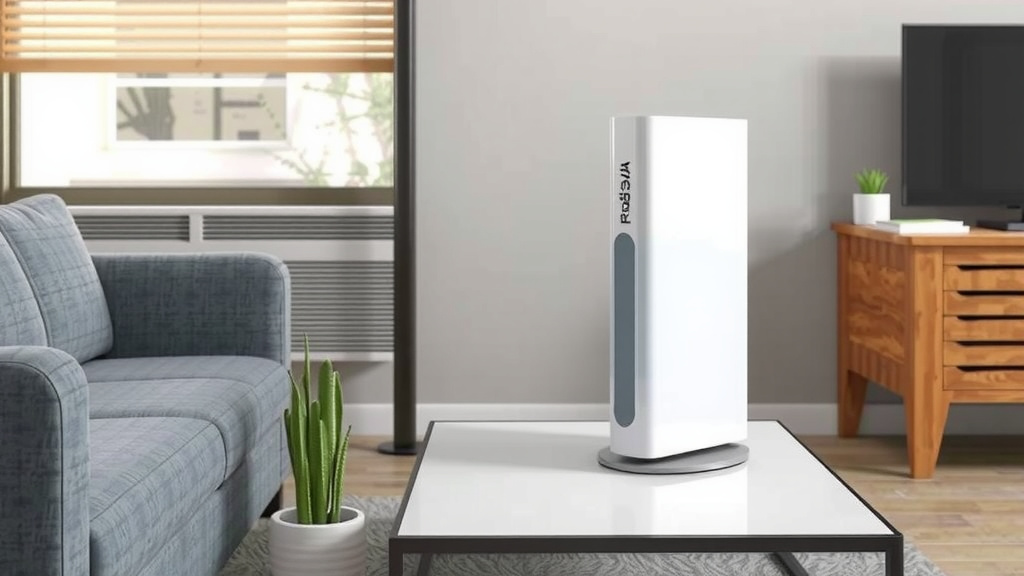
Direct Comparison: Air Purifier vs. AC Filter for Dust
Let’s put them side-by-side for a clear picture of their dust-fighting capabilities. We’ve compiled a quick comparison to help you see the differences.
| Feature | AC Filter | Air Purifier |
|---|---|---|
| Primary Purpose | Protect HVAC system | Clean indoor air |
| Dust Particle Size Captured | Larger particles (lint, visible dust) | Very fine particles (sub-micron dust, allergens) |
| Filtration Technology | Fiberglass or pleated media (MERV rated) | HEPA, activated carbon, pre-filters |
| Efficiency for Fine Dust | Low to moderate | High (especially with HEPA) |
| Impact on Air Quality | Minor improvement | Significant improvement |
When to Consider Your AC Filter
You absolutely need to use an AC filter. It’s essential for keeping your HVAC system in good shape. A dirty AC filter can strain your system, leading to higher energy bills and potential damage. So, don’t skip this maintenance step. Just understand its limitations for personal air quality.
Why Air Purifiers Shine for Dust Reduction
Air purifiers are purpose-built for tackling airborne irritants. Their advanced filtration systems, especially HEPA, are designed to capture the fine dust particles that circulate in your home. If you’re sensitive to dust or want a noticeably cleaner environment, an air purifier is the way to go. Many people report fewer allergy symptoms and less dust settling on furniture after using one.
Making the Best Choice for Your Home
So, which is best for dust? If your main goal is to reduce the amount of fine dust in your breathing air, an air purifier is the clear winner. It targets the particles that standard AC filters miss. However, this doesn’t mean you should ignore your AC filter!
A Two-Pronged Approach
The ultimate solution for the cleanest possible air often involves using both. Maintain your AC system with a good quality filter. Then, add an air purifier to your most-used rooms. This strategy addresses dust at two levels: protecting your system and actively cleaning your air.
What to Look For in an Air Purifier for Dust
When shopping for an air purifier to combat dust, keep these points in mind:
- HEPA Filter: Make sure it’s a true HEPA filter for maximum fine particle capture.
- Room Size Coverage: Choose a unit rated for the square footage of the room you plan to use it in.
- CADR Rating: This stands for Clean Air Delivery Rate. A higher CADR means it cleans the air faster.
- Activated Carbon: This is a bonus for removing odors that often accompany dust.
- Pre-Filter: Helps capture larger dust particles and extends the HEPA filter’s life.
By understanding the role of each device, you can make informed choices. You can create a healthier, dust-free environment for yourself and your family. Your lungs will thank you!
“`Conclusion
When battling household dust, an air purifier is your most effective tool. While your AC filter plays a vital role in protecting your HVAC system, it simply can’t match the fine particle capture of a dedicated air purifier, especially those with HEPA filters. Your AC filter catches the big stuff, but an air purifier targets the microscopic dust that irritates your lungs and settles on surfaces. For the freshest air and the most noticeable reduction in dust, investing in a quality air purifier is your best next step. Remember to keep using a good AC filter too; it’s a winning combination for a cleaner home.
Frequently Asked Questions
Do I really need an air purifier if I have a good AC filter?
Yes, you do. An AC filter’s primary job is to protect your air conditioner. It’s not designed to capture the fine dust particles that air purifiers, especially those with HEPA filters, excel at removing from your breathing space. Think of it as two layers of defense.
Can an air purifier completely eliminate dust in my home?
While an air purifier can dramatically reduce airborne dust and improve air quality, it can’t eliminate all dust. Dust is also brought into your home from outside and generated by daily activities. However, it will significantly decrease the amount of dust circulating in the air and settling on surfaces.
How often should I replace the filters in my air purifier?
This varies by model and usage, but typically, HEPA filters in air purifiers need replacement every 6 to 12 months. Check your air purifier’s manual for specific recommendations. Some units have indicator lights to let you know when it’s time.
Will an air purifier help with pet dander and other allergens, not just dust?
Absolutely. Air purifiers with HEPA filters are highly effective at capturing a wide range of airborne particles, including pet dander, pollen, mold spores, and other common allergens. This makes them beneficial for allergy sufferers.
Is it okay to use a high-MERV AC filter instead of an air purifier?
A higher MERV rated AC filter will catch more dust than a standard one, but it still won’t match the efficiency of a true HEPA air purifier. Air purifiers are built for superior air cleaning. Using both a good AC filter and an air purifier offers the best overall protection for your home and your air quality.