Air Purifier vs AC: Does AC Clean the Air?
No, an air conditioner (AC) does not effectively clean the air like an air purifier does. While ACs have filters, their primary job is to cool your home, not remove tiny particles or pollutants. You might notice less dust with an AC, but it won’t tackle allergens or improve indoor air quality like a dedicated purifier.
Many people assume their AC is also an air cleaner. It’s true that ACs filter out larger particles to protect their internal components. But when it comes to the microscopic stuff that impacts your health, like pollen, pet dander, and smoke, a standard AC filter often falls short. A true air purifier is designed with specialized filters for better air cleaning.
- Air conditioners cool air, they don’t purify it.
- AC filters catch large dust, but not tiny pollutants.
- Air purifiers use special filters for better air cleaning.
- For cleaner air, consider a dedicated air purifier.
Let’s dive into the differences between an air conditioner and an air purifier, and what each actually does for your air quality.
AC vs. Air Purifier: What’s Really Cleaning Your Air?
It’s a common question: does your air conditioner actually clean the air you breathe? Many homeowners believe their AC is a two-in-one device, providing both cooling and air purification. While it’s true that your AC has a filter, its primary purpose is to protect the unit itself, not necessarily to scrub your indoor air clean of tiny particles. We’ll break down the differences and help you understand what each appliance is truly doing for your home’s air quality.
How Air Conditioners Work (and What Their Filters Do)
Think of your AC like a big fan with a cooling system. It pulls air from your room, passes it over cold coils to remove heat and moisture, and then blows the cooled air back into your space. This process makes your home feel more comfortable on a hot day.
AC Filters: Designed for Protection, Not Purification
Your AC unit does have a filter. You probably know it as that rectangular screen you need to clean or replace every month or two. This filter is essential for catching larger debris like dust bunnies, pet hair, and lint. Why? To prevent these larger particles from clogging up the AC’s delicate internal components, like the evaporator coils. If these coils get coated in dust, they can’t cool your air efficiently, and the system could break down.
The Limitations of AC Filtration
While catching dust is helpful, it’s just the tip of the iceberg when it comes to what can be floating in your air. Standard AC filters are typically rated with a MERV (Minimum Efficiency Reporting Value) score. Most residential AC filters have a MERV rating between 1 and 4. These filters are designed to capture particles that are 10 microns or larger. What does that mean in practical terms?
- Dust and Lint: Yes, AC filters are great at catching these.
- Pollen: Some larger pollen grains might get caught.
- Pet Dander: Smaller particles can easily slip through.
- Mold Spores: Often too small to be effectively captured.
- Bacteria and Viruses: Way too tiny for a standard AC filter.
- Smoke Particles: These are microscopic and will pass right by.
So, while your AC helps reduce some of the visible dust, it’s not doing much to remove the microscopic irritants that can affect your health and comfort.
What is an Air Purifier, Anyway?
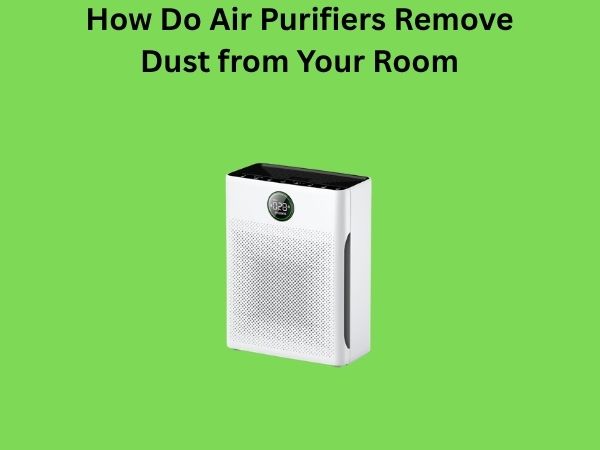
An air purifier is a device specifically engineered with one main goal: to clean the air in your home. Unlike an AC, its entire function is focused on removing airborne contaminants. Air purifiers use a variety of filtration technologies to capture particles much smaller than what a standard AC filter can handle.
The Technology Behind Air Purifiers
The real magic of an air purifier lies in its filtration system. Most high-quality air purifiers use multiple stages of filtration. This layered approach ensures a thorough cleaning of your air.
HEPA Filters: The Gold Standard
The most critical component in many air purifiers is the HEPA filter. HEPA stands for High-Efficiency Particulate Air. To earn the HEPA designation, a filter must be able to capture at least 99.97% of airborne particles that are 0.3 microns in size. This is significantly smaller than the particles a standard AC filter can trap. Think of it this way: 0.3 microns is about 300 times smaller than the width of a human hair!
Other Filtration Types
Beyond HEPA filters, many air purifiers also include:
- Pre-filters: These catch larger particles like dust and pet hair, extending the life of the HEPA filter.
- Activated Carbon Filters: These are excellent at absorbing odors and volatile organic compounds (VOCs) from things like cleaning products, cooking, and furniture off-gassing.
- UV-C Light: Some units use ultraviolet light to help neutralize airborne germs like bacteria and viruses.
Where Air Purifiers Shine
Because of their advanced filtration, air purifiers are particularly effective at tackling common indoor air pollutants that ACs simply can’t touch. We found that air purifiers are best for reducing:
- Allergens: Pollen, dust mite debris, pet dander.
- Irritants: Smoke (from cooking or wildfires), smog particles.
- Odors: Cooking smells, pet odors, musty smells.
- VOCs: Chemicals released from paints, cleaning supplies, and new furnishings.
If you suffer from allergies, asthma, or are sensitive to smells and pollutants, a dedicated air purifier can make a noticeable difference in your home environment.
AC vs. Air Purifier: A Direct Comparison
Let’s put them side-by-side. Understanding their core functions will help you see why they aren’t interchangeable.
| Feature | Air Conditioner (AC) | Air Purifier |
|---|---|---|
| Primary Function | Cools and dehumidifies indoor air. | Removes airborne pollutants and allergens. |
| Filter Type | Basic, large-particle filter (MERV 1-4 typical). | Multi-stage: Pre-filter, HEPA, Activated Carbon (common). |
| Particle Capture Size | Larger particles (10+ microns). | Very small particles (down to 0.3 microns for HEPA). |
| Odor Removal | Minimal to none. | Effective with activated carbon filters. |
| Allergen Reduction | Limited. | Highly effective. |
| VOC Removal | None. | Effective with activated carbon filters. |
As you can see from the table, the design and capabilities of an air purifier are far more advanced when it comes to actual air cleaning. An AC’s filtration is a happy side-effect of its cooling function, not its main job. Many experts agree that for genuine improvement in indoor air quality, especially concerning allergens and fine pollutants, a dedicated air purifier is necessary.
When Might an AC Filter Seem to Help?
You might notice less dust in your home when your AC is running regularly. This is because the AC’s filter is catching the larger dust particles as air circulates. This is a positive outcome, but it doesn’t mean the air is truly purified. It’s more like sweeping the floor versus deep cleaning it. The visible dirt is gone, but microscopic particles might still be lingering.
If your AC filter is particularly high-efficiency (higher MERV rating), it can capture smaller particles. However, these can restrict airflow, potentially straining your AC system. High-MERV filters are also more expensive and require more frequent replacement. Moreover, even the best AC filters typically don’t include the activated carbon needed for odor and VOC removal.
When to Consider a Dedicated Air Purifier
You’ll likely benefit most from an air purifier if you experience any of the following:
- You or family members suffer from allergies or asthma.
- You have pets that shed dander.
- You live in an area prone to wildfire smoke or high pollution.
- You are sensitive to odors.
- You have concerns about VOCs from new furniture or home renovations.
- You want to feel confident that your air is as clean as possible.
Think of it like this: an AC is like a basic broom for your air, picking up the obvious mess. An air purifier is like a high-powered vacuum with specialized attachments, getting into every nook and cranny to remove even the smallest, most invisible particles.
Quick Checklist: Does Your Home Need an Air Purifier?
Ask yourself these questions:
- Do you notice dust settling quickly after cleaning?
- Are allergy symptoms a problem in your home?
- Do cooking or pet odors linger longer than you’d like?
- Is anyone in your household sensitive to smells or irritants?
- Do you live near a busy road or industrial area?
- Do you want an extra layer of protection for your family’s health?
If you answered “yes” to a few of these, it might be time to explore adding a dedicated air purifier to your home.
Conclusion
It’s clear that your air conditioner and an air purifier serve very different purposes. While your AC is excellent at cooling your home, its filtration is primarily for protecting the unit itself, not for deeply cleaning your indoor air. You might see less large dust, but microscopic allergens and pollutants will likely pass right through. For genuinely cleaner air that tackles these finer particles, odors, and VOCs, a dedicated air purifier with advanced filters like HEPA is your best bet. If you’re looking to improve your home’s air quality for health or comfort reasons, consider adding a specific air purification device to your setup.
Frequently Asked Questions
Can my AC filter catch COVID-19 particles?
Standard AC filters, typically with low MERV ratings, are not designed to capture the tiny viral particles associated with COVID-19. While some higher-efficiency filters can trap smaller particles, an air purifier with a true HEPA filter is specifically engineered to capture 99.97% of particles down to 0.3 microns, offering much more effective air cleaning for such microscopic threats.
Will running my AC more often reduce dust?
Running your AC more often will circulate air through its filter, which can help trap larger dust particles. However, this is a secondary effect of the AC’s cooling function. It’s not a substitute for dedicated air purification, as smaller allergens and pollutants will still bypass standard AC filters.
Are air purifiers noisy?
Air purifiers do produce some noise, similar to a fan. The sound level varies greatly depending on the unit’s size, power, and fan speed setting. Many modern air purifiers are designed to be quiet, especially on lower settings, and some even have specialized “sleep modes” for minimal disturbance.
How often should I replace AC filters versus air purifier filters?
AC filters typically need cleaning or replacement every 1 to 3 months, depending on usage and filter type. Air purifier filters, especially HEPA and carbon filters, usually last longer, often 6 to 12 months, though this can vary by model and the air quality in your home. Always check your specific device’s manual for recommendations.
Can an air purifier make my AC system last longer?
An air purifier doesn’t directly impact your AC’s lifespan. However, by removing dust and other particles from the air before it circulates, an air purifier might slightly reduce the amount of debris that reaches your AC’s internal components over time. This is a minor benefit compared to its primary function of cleaning the air you breathe.