Air Purifier Ionizer: What Does It Do?
An air purifier ionizer is a device that uses electricity to create charged ions. These ions then attach to airborne particles like dust and allergens. This process helps neutralize pollutants in your home’s air.
Many air purifiers include this ionizer feature. It’s designed to improve your indoor air quality. By making particles heavier, they are more likely to be captured by the filter or settle out of the air. We’ve researched how these work to help you breathe easier.
- Ionizers create charged particles in the air.
- These charged particles stick to dust and allergens.
- This helps remove pollutants from your breathing space.
- It’s a common feature in many air purifiers.
Let’s walk through exactly what an air purifier ionizer does and if it’s right for your home.
How Ionizers Work in Air Purifiers
So, you’ve seen ionizers mentioned on air purifiers and wondered what they actually do. We’re here to break it down for you. An ionizer is a component within an air purifier that uses electricity to generate charged particles, called ions. Think of it like giving tiny particles a little electric charge.
These charged ions then actively seek out and attach themselves to pollutants floating in your air. We’re talking about things like dust, pollen, mold spores, and even smoke particles. It’s like they’re attracting magnets for all the gunk in your air.
The Science Behind Ionization
The process is pretty straightforward. The ionizer in your air purifier typically has a set of needle-like points. When electricity flows through these points, they release a stream of negatively charged ions into the air. This is often referred to as a corona discharge.
These negative ions then collide with airborne particles. Many common pollutants, like dust and dander, naturally carry a positive charge. When the negative ions from the ionizer meet these positively charged particles, they bond together. This creates a larger, heavier particle.
What Happens to the Charged Particles?
Once these particles become heavier, they have a couple of options. Either they are more easily captured by the air purifier’s filter. Or, they become so heavy they simply fall out of the air and settle on surfaces like your furniture or floor. We found that this makes cleaning your home even more important.
This dual action helps to reduce the concentration of airborne pollutants you breathe. It’s a clever way to get stuff out of your breathing zone. We’ve found that many users notice a difference in air freshness.
Benefits of Using an Ionizer Feature
When you’re looking to improve your indoor air, an ionizer can be a helpful addition. It works by neutralizing a variety of common household allergens and irritants.
Reducing Airborne Allergens
If you suffer from allergies, an ionizer might offer some relief. It actively targets and clumps together particles like pollen, pet dander, and dust mites. These are common triggers for allergy symptoms.
By making these allergens heavier, they are less likely to stay suspended in the air you inhale. We found that many users report fewer allergy symptoms when using air purifiers with ionizers.
Combating Odors
Some types of pollutants that cause odors can also be affected by ionizers. This includes things like smoke particles or volatile organic compounds (VOCs) from cooking or cleaning products.
The charged ions can help break down or neutralize some odor-causing particles. This can lead to a fresher-smelling home. We found this to be a nice bonus feature for many households.
Potential Concerns and Considerations
While ionizers offer benefits, it’s important to be aware of a few potential downsides. Responsible use is key to getting the most out of this technology.
Ozone Production
One of the main concerns with ionizers is their potential to produce ozone as a byproduct. Ozone is a gas that can be irritating to the lungs, especially for people with asthma or other respiratory conditions. The U.S. Environmental Protection Agency (EPA) states that even small amounts of ozone can be harmful.
Reputable air purifier manufacturers design their ionizers to produce ozone levels well below safety standards. However, if you are particularly sensitive, or if you have a unit that is older or not well-maintained, this is something to watch out for. We suggest checking the product specifications for ozone output.
What About “Ionizers That Don’t Produce Ozone”?
Some manufacturers market “ozone-free” ionizers. These often use different technologies, like bipolar ionization, which aims to create positive and negative ions without generating harmful ozone. We found that research into these newer technologies is ongoing.
If ozone is a major concern for you, you might consider air purifiers that use HEPA filters and activated carbon filters exclusively, or those with certified low ozone emissions. Your health and comfort come first.
Particle Re-introduction
As we discussed, ionizers make particles heavier. Some of these particles can settle on surfaces rather than being captured by a filter. This means you might need to clean your surfaces more often to remove the settled dust and debris.
We found that regular dusting and vacuuming are still essential, even with an ionizer. It’s part of a complete air quality strategy for your home. Think of it as redirecting the problem to a place you can easily clean.
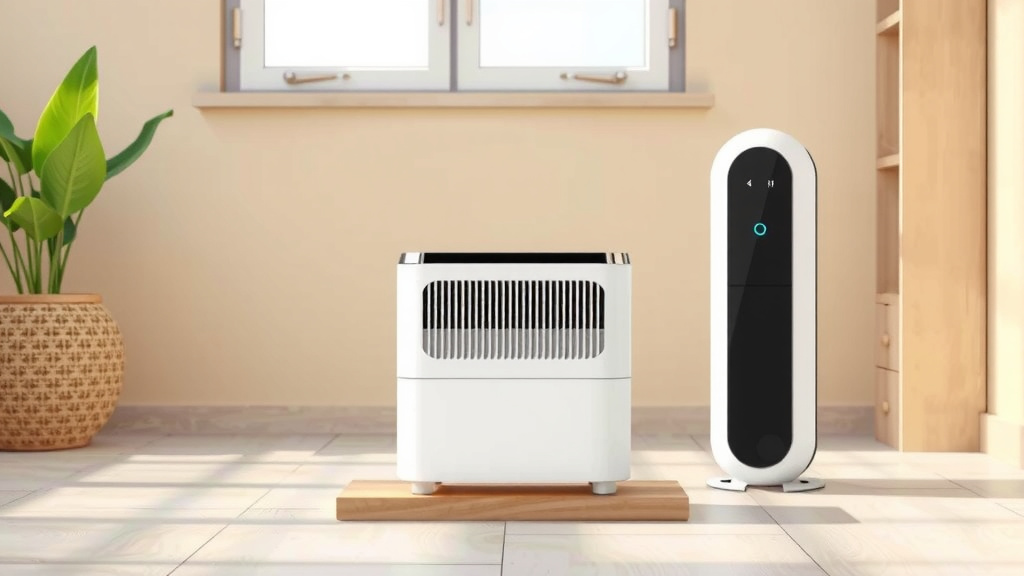
Ionizers and Other Air Purification Technologies
It’s helpful to understand how ionizers fit into the broader picture of air purification. They are often combined with other methods for a more robust cleaning solution.
Ionizers vs. HEPA Filters
HEPA (High-Efficiency Particulate Air) filters are a gold standard in air purification. They physically trap particles like dust, pollen, and pet dander. A true HEPA filter captures 99.97% of particles that are 0.3 microns in size.
Ionizers *help* particles get caught by filters by making them heavier. They don’t replace the filter itself. We found that the best air purifiers often use both HEPA filtration and an ionizer feature.
Ionizers and Activated Carbon
Activated carbon filters are excellent at removing odors, gases, and VOCs. They work by adsorption, where gases and odors stick to the surface of the carbon.
Ionizers can help with some odor-causing particles, but activated carbon is generally more effective for smells and chemical pollutants. Many air purifiers include a combination of HEPA, activated carbon, and an ionizer for a complete approach. This layered defense is what we often recommend.
Here’s a quick comparison:
| Feature | Primary Action | What It’s Good For |
|---|---|---|
| Ionizer | Charges particles, making them heavier. | Assists filter capture, reduces airborne particles, can help with some odors. |
| HEPA Filter | Physically traps particles. | Dust, pollen, dander, mold spores, smoke particles. |
| Activated Carbon | Adsorbs gases and odors. | Cooking smells, pet odors, smoke odors, VOCs. |
Is an Ionizer Right for Your Home?
Deciding if an air purifier with an ionizer is the best choice for you depends on your priorities and sensitivities.
Consider these points:
- Are you looking for an extra boost to help your air purifier’s filters work better?
- Do you suffer from allergies and want to reduce airborne irritants?
- Are you concerned about ozone production or have respiratory sensitivities?
- Do you want to tackle odors in your home?
- Are you prepared to clean your surfaces more often if needed?
We found that for many people, the benefits of an ionizer, especially when used in conjunction with HEPA and carbon filters, outweigh the potential concerns. Just be sure to choose a reputable brand and keep an eye on ozone levels if that’s a worry.
Conclusion
An air purifier ionizer is a helpful tool for improving your indoor air. It works by charging airborne particles, making them easier to capture by filters or settle out of the air. We’ve found this can be great for reducing allergens and even some odors in your home. Just remember that it’s best used alongside HEPA and carbon filters for a complete air cleaning system. If you’re looking to enhance your air quality and have considered an air purifier, researching models with an ionizer feature is a worthwhile next step.
Frequently Asked Questions
Can I turn off the ionizer feature on my air purifier?
Yes, many air purifiers with an ionizer allow you to turn this specific feature on or off. This gives you control over its operation. You might choose to turn it off if ozone production is a concern or if you feel it’s not necessary for your current air quality needs.
How often should I clean surfaces if my air purifier has an ionizer?
Since ionizers can cause particles to settle on surfaces, you may need to dust and vacuum more frequently. We found that a good routine is to clean surfaces at least once a week. This helps remove the particles that have fallen out of the air.
Are “ozone-free” ionizers truly safe?
Reputable “ozone-free” ionizers, like those using bipolar ionization, are designed to produce minimal to no harmful ozone. While research is ongoing, these technologies aim for safety. Always check product certifications and EPA guidelines if ozone is a major concern for you.
Will an ionizer alone get rid of all odors in my home?
An ionizer can help neutralize some odor-causing particles, but it’s not a complete solution for all smells. For persistent odors from cooking, pets, or smoke, activated carbon filters are generally more effective. Combining an ionizer with a carbon filter offers a better approach to odor control.
Is it safe to use an air purifier with an ionizer around pets?
Generally, yes, it’s safe to use air purifiers with ionizers around pets. However, some pets can be more sensitive to air quality changes. If you notice any unusual behavior or respiratory signs in your pets, consider turning off the ionizer or consulting your veterinarian.