Dyson Air Purifier vs Shark: Which to Buy?
When deciding between a Dyson air purifier and a Shark air purifier, know that both brands offer great options for cleaner air. Dyson often leads in advanced filtration technology and unique designs, while Shark typically provides excellent performance at a more accessible price point. Your best choice depends on your specific needs and budget.
Both Dyson and Shark aim to remove allergens, pollutants, and odors from your home. We found that Dyson models frequently include features like HEPA and activated carbon filters, plus intelligent sensors. Shark purifiers also use multi-stage filtration systems, often focusing on ease of use and strong purification power for their cost.
- Dyson is often pricier but boasts top-tier tech.
- Shark offers strong performance at a better value.
- Both use HEPA and carbon filters for common pollutants.
- Consider your budget and desired features carefully.
Let’s break down the key differences and similarities between Dyson and Shark air purifiers so you can make the smartest choice for your home.
Comparing Dyson and Shark Air Purifiers for Your Home
When choosing between a Dyson and a Shark air purifier, you’re looking at two strong contenders in the home air quality market. We’ve researched both brands to help you decide which one might fit your needs best. While Dyson often pushes the boundaries with advanced technology and unique designs, Shark frequently delivers excellent purification power with a focus on value. Your home’s air quality is important, and the right purifier can make a real difference. Let’s get into the details.
Filtration Technology: What’s Under the Hood?
Both Dyson and Shark air purifiers rely on robust filtration systems to clean your air. They typically use a combination of filters to tackle different types of pollutants. Understanding these filters is key to knowing what you’re getting.
HEPA Filtration: The Standard for Allergens
You’ll find that HEPA filters are a common feature on both Dyson and Shark models. HEPA stands for High-Efficiency Particulate Air. These filters are designed to capture tiny particles. We found that genuine HEPA filters can trap at least 99.97% of airborne particles. This includes things like pollen, dust mites, pet dander, and mold spores. If allergies are a concern for you, this is a non-negotiable feature. Most health organizations recommend HEPA filtration for improving indoor air quality (CDC).
Activated Carbon Filters: Tackling Odors and VOCs
Beyond particle capture, odors and chemical fumes can be a problem. Both brands often include activated carbon filters. These filters are porous and excel at absorbing gases and volatile organic compounds (VOCs). Things like cooking smells, pet odors, smoke, and chemicals from cleaning products or furniture off-gassing can be neutralized. The amount and quality of the carbon in the filter can impact its effectiveness. We found that a thicker, denser carbon layer generally means better odor removal.
Dyson’s Advanced Filtration Features
Dyson often takes filtration a step further. Many of their units feature a fully sealed system. This means the air is forced through the filters without leaking out around the edges. This is important because a leaky filter is like having a hole in your sieve – it won’t catch everything. Dyson also incorporates advanced sensors. These sensors can detect different types of pollutants in real-time. You can then see this information displayed on the unit or via an app. This intelligent monitoring helps ensure the purifier is working effectively.
Shark’s Multi-Stage Approach
Shark purifiers also employ multi-stage filtration. They typically combine a HEPA filter with an activated carbon filter, often integrated into a single unit. Some Shark models might also include a pre-filter to catch larger particles like hair and dust. This helps extend the life of the main HEPA and carbon filters. While they may not always have the same level of real-time sensing as Dyson, Shark focuses on providing effective purification through their combined filter layers.
Performance and Coverage: How Much Air Can They Clean?
The effectiveness of an air purifier is often measured by how much air it can clean and how quickly. This is often described by its CADR (Clean Air Delivery Rate) and its recommended room coverage area. It’s important to match the purifier’s capacity to the size of your room.
Understanding Room Size and CADR
A purifier’s CADR rating indicates the volume of filtered air it delivers. Higher CADR means faster cleaning. Manufacturers usually specify the maximum room size their purifier is designed for. For example, a purifier might be rated for a large living room or a smaller bedroom. Choosing a purifier that’s too small for your space means it will run constantly and might not effectively clean the air.
Dyson’s Performance Metrics
Dyson purifiers are engineered for performance. They often achieve high CADR ratings for their size. Many Dyson units are also designed to circulate air effectively throughout a room. Some models feature unique fan technology that helps project purified air across the space. We found that Dyson’s focus on engineering ensures efficient air circulation and purification.
Shark’s Room Coverage Focus
Shark purifiers are built to deliver strong purification for their specified room sizes. They aim to provide a noticeable improvement in air quality within a targeted area. Research suggests that Shark models offer competitive CADR ratings, making them a solid choice for homes of various sizes. Their performance is often praised for being powerful and consistent for the price point.
Key Features and User Experience: What Makes Them Stand Out?
Beyond filtration and performance, the day-to-day experience of using an air purifier matters. This includes ease of use, noise levels, smart features, and design.
Smart Features and Connectivity
Dyson has heavily invested in smart technology. Many of their purifiers connect to Wi-Fi and can be controlled via a smartphone app. This allows you to monitor air quality, adjust settings, and schedule purification remotely. Some models even offer voice control integration. This convenience factor is a big draw for tech-savvy users.
Shark also offers smart features on some of its higher-end models. These can include app control and air quality monitoring. However, Dyson generally leads in the depth and integration of its smart ecosystem. We found that both brands are making strides, but Dyson’s smart capabilities are often more extensive.
Noise Levels: A Quiet Contender?
Air purifiers can sometimes be noisy, especially on higher settings. Dyson has put a lot of effort into acoustic engineering. Many of their units operate very quietly, especially on lower fan speeds. This makes them suitable for bedrooms or quiet living spaces. They aim for a quieter operation without sacrificing performance.
Shark purifiers generally perform well in terms of noise. While some users might find them audible on higher settings, they are typically comparable to other brands in their class. We found that noise perception can be subjective, but both brands strive to minimize disruptive sounds.
Design and Portability
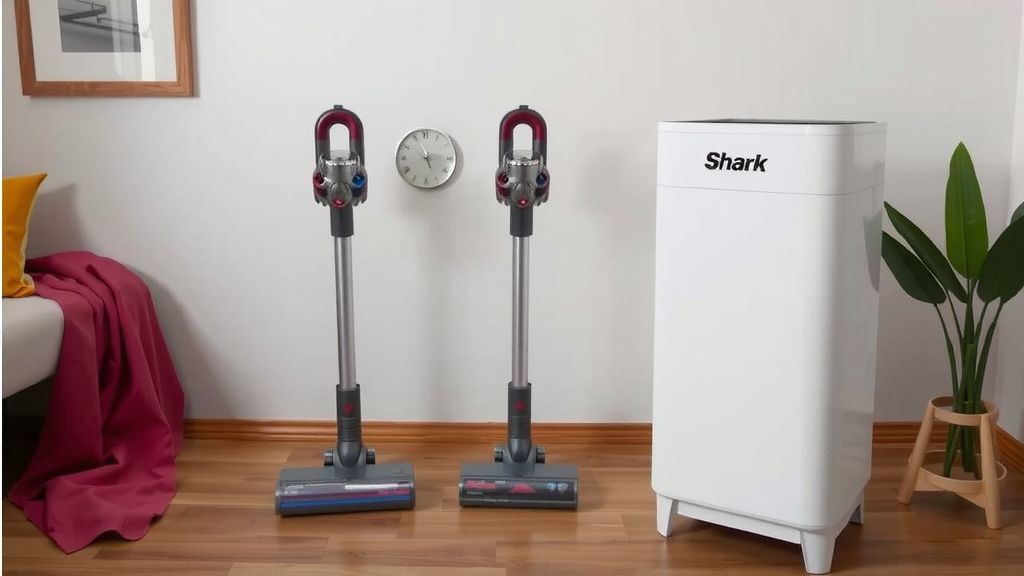
Dyson is known for its distinctive, often futuristic designs. Their purifiers frequently have a sleek, modern look that can blend well with contemporary decor. Some models are also designed with portability in mind, featuring compact footprints and integrated handles. They are often seen as a design statement as much as an appliance.
Shark purifiers tend to have a more traditional appliance design, focusing on functionality and robust construction. They are typically straightforward and utilitarian in appearance. While not always as visually striking as Dyson, Shark units are built to be durable and effective. Their design prioritizes performance and ease of use.
Cost and Maintenance: What to Expect Long-Term
The initial purchase price is one thing, but ongoing costs and maintenance are also important considerations.
Initial Purchase Price Comparison
Generally, Dyson air purifiers come with a higher price tag. This reflects their advanced technology, unique designs, and premium branding. They are often positioned as a high-end home appliance. You are paying for innovation and sophisticated features.
Shark air purifiers typically offer a more budget-friendly option. They provide excellent value for money, delivering strong purification performance at a lower cost. This makes them accessible to a wider range of consumers looking for effective air cleaning without the premium price.
Filter Replacement Costs and Frequency
Both brands require periodic filter replacement. The cost and frequency of these replacements can vary by model. Dyson filters, due to their advanced construction and sealing technology, can sometimes be more expensive. Shark filters are often more competitively priced. We found that checking the specific replacement filter costs and recommended replacement intervals for any model you’re considering is a smart move.
Here’s a quick checklist to help you prioritize:
- Budget: How much are you willing to spend upfront and long-term?
- Room Size: Ensure the purifier is rated for your space.
- Allergies/Asthma: Look for true HEPA filtration.
- Odors/VOCs: Ensure it has a robust activated carbon filter.
- Smart Features: Do you need app control or advanced sensors?
- Noise Level: Is quiet operation essential for your needs?
Dyson vs. Shark: A Quick Comparison Table
| Feature | Dyson | Shark |
|---|---|---|
| Filtration | HEPA + Activated Carbon, often sealed systems, advanced sensors | HEPA + Activated Carbon, multi-stage approach |
| Performance | High CADR, efficient air circulation, wide coverage options | Strong CADR for room size, consistent purification |
| Smart Features | Extensive app control, real-time monitoring, voice integration | App control on select models, air quality reporting |
| Design | Sleek, modern, often futuristic aesthetics | Functional, durable, traditional appliance look |
| Price Point | Higher, premium investment | More affordable, better value |
| Noise | Engineered for quiet operation | Generally competitive noise levels |
Conclusion
Choosing between a Dyson and a Shark air purifier ultimately comes down to your priorities. Dyson excels with its advanced technology and smart features, often wrapped in a sleek, premium package. If your budget allows and you desire the latest in air quality monitoring and design, Dyson is a strong contender. Shark, on the other hand, offers excellent value with reliable purification performance that gets the job done effectively. Consider your budget, room size, and essential features like allergy relief or odor control. Take a moment to review the comparison table and then decide which brand best fits your home’s needs and your lifestyle.
Frequently Asked Questions
Are Shark air purifiers as good as Dyson for allergies?
Yes, both Dyson and Shark air purifiers typically feature true HEPA filters that are highly effective against allergens like pollen and pet dander. You’ll want to check the specific model’s CADR rating to ensure it’s sufficient for your room size. Research suggests both brands offer solid performance for allergy sufferers.
Which brand is better for removing odors and VOCs?
Both brands usually include activated carbon filters designed to capture odors and VOCs. Dyson often integrates these into their sealed systems with advanced sensors, potentially offering more precise odor detection. Shark models also provide effective odor removal, often at a more budget-friendly price point. Your best bet is to look for models with robust carbon filtration layers.
Do Dyson air purifiers clean larger rooms more effectively than Shark?
Dyson often engineers its units for broad air circulation and high CADR ratings, making them capable of covering larger spaces efficiently. Shark models are also designed for specific room sizes, and higher-end Shark units can handle large rooms well. Always match the purifier’s room coverage recommendation to your space for optimal performance.
Is the higher cost of Dyson air purifiers worth it?
The higher cost of Dyson purifiers often reflects their advanced smart features, real-time air quality sensors, unique designs, and proprietary technologies like sealed filtration. If these sophisticated features and the premium design are important to you, and your budget allows, then Dyson may be worth the investment. Shark provides strong purification at a more accessible price for those prioritizing core functionality.
How often do I need to replace filters for Dyson and Shark air purifiers?
Filter replacement frequency varies by model and usage, but generally, you can expect to replace filters for both brands every 6-12 months. Check the manufacturer’s recommendations for the specific model you’re considering. It’s wise to factor in the ongoing cost of replacement filters when comparing the long-term expenses of Dyson and Shark units.