Ion vs UV Air Purifier: Which Technology Is More Effective?
When you’re standing in an appliance store staring at rows of air purifiers, you’re probably feeling a bit overwhelmed. Should you go with an ion air purifier or a UV air purifier? It’s like choosing between two different doctors who promise to cure the same illness—both claim to work, but they use completely different approaches. Let me help you understand what these technologies actually do and which one might be the better fit for your home.
Understanding the Basics: What Are Ion and UV Air Purifiers?
Before we dive into the nitty-gritty comparison, let’s break down what each technology actually does. Think of your air as a busy highway with all sorts of pollutants zipping around—dust, pollen, bacteria, and viruses. Ion and UV purifiers are like two different traffic control systems trying to manage this chaos, but they work in distinctly different ways.
What Is an Ion Air Purifier?
An ion air purifier, sometimes called an ionic air purifier, works by releasing negatively charged ions into the air. Imagine these ions as tiny magnets. When you release millions of them into your room, they attach themselves to positively charged particles like dust, pollen, and other airborne pollutants. Once these particles are weighed down with negative ions, they become heavy and fall to the ground or settle on surfaces.
The beauty of this technology is that it doesn’t require you to replace filters constantly. There’s no mechanical process happening—it’s more like a chemical attraction. The ions do the work, and gravity does the rest.
What Is a UV Air Purifier?
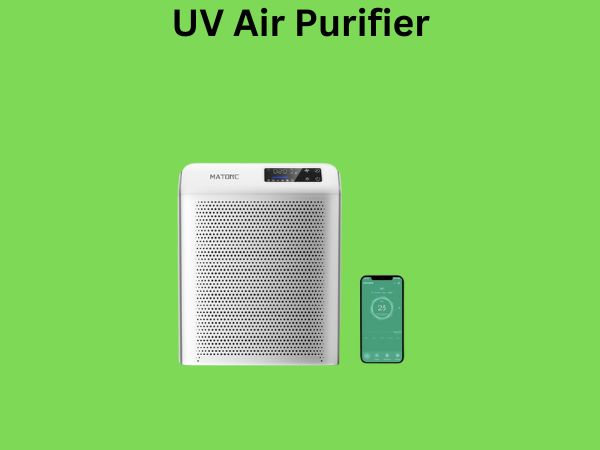
UV air purifiers use ultraviolet light to tackle airborne contaminants. Think of UV light as a microscopic laser that destroys the DNA of bacteria and viruses. When air passes through the purifier’s chamber, it’s exposed to UV-C light, which is powerful enough to neutralize these microorganisms. It’s the same type of technology hospitals use to sterilize equipment.
UV purifiers typically work as part of a larger filtration system. The air flows through the machine, gets blasted with UV light, and emerges cleaner on the other side.
How Ion Purifiers Actually Work in Your Home
The Science Behind Ion Generation
Ion purifiers generate negative ions through a process called ionization. Inside the machine, there’s typically a needle or electrode that gets charged with high voltage. This creates an electric field that strips electrons from air molecules, creating those negatively charged ions we talked about. It’s a bit like how lightning works in nature, except on a much smaller and safer scale.
The Settling Process
Here’s where things get interesting. Once the ions are released into your room, they don’t stay floating forever. They immediately start bonding with particles like dust, smoke, and pollen. These particles become heavier and eventually settle on surfaces—your furniture, floor, walls, and other objects. Some people describe this as “cleaning” your air, but technically, you’re just moving the pollutants from the air to your surfaces.
Maintenance Requirements for Ion Purifiers
Because there’s no filter to clog, ion purifiers require minimal maintenance. You won’t spend money on replacement filters every few months. However, you will need to wipe down surfaces more frequently since particles settle everywhere. It’s a trade-off between buying filters and doing extra dusting.
How UV Purifiers Actually Work in Your Home
The Filtration Process
UV purifiers operate on a more traditional filtration model. Air gets pulled into the machine through a pre-filter, which catches larger particles. Then, the air is exposed to UV-C light in a chamber designed to maximize exposure time. The UV light damages the genetic material of microorganisms, preventing them from reproducing and effectively killing them.
The Complete Picture with HEPA Filters
Most effective UV purifiers combine UV technology with HEPA filters. The HEPA filter catches physical particles, while the UV light handles biological contaminants. This is like having two security guards—one at the door checking IDs and another patrolling the hallways. Together, they provide comprehensive protection.
Maintenance Requirements for UV Purifiers
UV purifiers do require regular maintenance. You’ll need to replace filters periodically, which can add up in cost over time. However, the captured particles are actually removed from your air and stored in the filter, not settling on your furniture.
Ion Purifiers: Advantages and Benefits
Cost-Effectiveness
One of the biggest draws of ion purifiers is their affordability. Since you’re not buying replacement filters every few months, your long-term costs are significantly lower. The initial investment is modest, and operational costs are minimal.
Simplicity and Ease of Use
Ion purifiers are straightforward devices. Plug them in, turn them on, and let them work. There’s no complexity, no filter changes, and no complicated settings to figure out. This makes them perfect for people who want a set-and-forget solution.
Quiet Operation
Since ion purifiers don’t have fans pulling air through the machine, they’re incredibly quiet. You won’t hear a constant humming sound running in your bedroom or living room. This is a major advantage if you’re sensitive to noise.
Wide Coverage Area
Because ions disperse throughout your room naturally, ion purifiers can cover large spaces without needing powerful fans. The ions go where the air circulates naturally in your home.
Ion Purifiers: Disadvantages and Limitations
The Surface Settling Issue
Here’s the elephant in the room—ion purifiers don’t actually remove particles from the air permanently. They just make them fall to the ground. This means you’ll need to dust and vacuum more often. If you have allergies, this might not be ideal because those allergens are still in your home; they’re just on your nightstand instead of in your lungs.
Ozone Production Concerns
Some ion purifiers produce ozone as a byproduct, and this is where things get controversial. Ozone can be problematic for people with respiratory issues like asthma. The EPA has warned about ozone levels, so if you’re considering an ion purifier, make sure it’s certified to be ozone-free or produces only minimal amounts.
Limited Effectiveness Against Viruses and Bacteria
While ions might help particles settle, they don’t actually kill bacteria or viruses. If you’re concerned about pathogens, especially in times of health crises, an ion purifier alone might not provide the peace of mind you’re looking for.
UV Purifiers: Advantages and Benefits
Effective Pathogen Destruction
UV-C light is scientifically proven to destroy bacteria and viruses by damaging their DNA. This is especially valuable if you’re concerned about keeping your family healthy. Unlike ion purifiers, UV purifiers actually eliminate biological threats rather than just moving them around.
Complete Particle Removal
HEPA filters combined with UV technology actually remove particles from your air and trap them in the filter. This is more thorough than the settling action of ion purifiers. The particles leave your breathing space entirely.
No Ozone Production
UV purifiers don’t produce ozone at all. They simply use light to neutralize contaminants. This makes them safer for people with respiratory sensitivities and completely free from the ozone concerns that plague some ion models.
Proven Effectiveness
UV purification technology has been used in hospitals, laboratories, and water treatment facilities for decades. It’s not a new or unproven method. There’s solid scientific backing for UV’s effectiveness against microorganisms.
UV Purifiers: Disadvantages and Limitations
Higher Operating Costs
Because you need to replace filters regularly, UV purifiers have higher long-term costs. Those HEPA filters don’t come cheap, and depending on air quality in your area, you might be replacing them every three to six months.
Noise Levels
UV purifiers need fans to pull air through the UV chamber. This means they’re louder than ion purifiers. If you’re planning to run the purifier in your bedroom at night, you might find the noise bothersome.
Limited Coverage Area
Because the UV purifier relies on fans to push air through it, the coverage area is more limited. You’re essentially creating a bubble of clean air around the machine rather than treating your entire room.
Space Requirements
UV purifiers tend to be bulkier than ion purifiers since they need space for the filtration system and UV chamber. If you’re working with limited space, this could be a consideration.
Head-to-Head Comparison: Ion vs UV Purifiers
Let me break down how these two technologies stack up against each other across the categories that matter most:
Effectiveness Against Allergens
UV purifiers win here. While they remove allergens from the air, ion purifiers just settle them on surfaces. If you suffer from allergies, you want those particles completely out of your breathing space, not rearranged in your home.
Effectiveness Against Viruses and Bacteria
UV purifiers are the clear winner. They actively destroy pathogens, while ion purifiers have minimal impact on biological contaminants. In a health-conscious world, this is increasingly important to many people.
Cost Efficiency
Ion purifiers take this category. Lower initial cost, no filter replacements, and minimal operational expenses make them budget-friendly. UV purifiers require ongoing filter purchases that can add up.
Ease of Use
Ion purifiers are simpler. No filters to worry about, just plug and play. UV purifiers require you to remember to replace filters on schedule.
Noise Levels
Ion purifiers are quieter since they don’t need fans. UV purifiers produce noticeable fan noise. For light sleepers, this matters.
Choosing the Right Technology for Your Needs
Choose Ion Purifiers If You Have These Priorities
- Budget is a primary concern and you want minimal ongoing costs
- You prefer quiet operation and don’t want fan noise
- You live in an area with relatively low pollution levels
- You don’t mind doing extra dusting and vacuuming
- You want a simple, maintenance-free device
Choose UV Purifiers If You Have These Priorities
- You have allergies or respiratory sensitivities
- You’re concerned about viruses, bacteria, and pathogens
- You want particles completely removed from your air, not settled on surfaces
- You live in an area with moderate to high pollution
- Long-term health benefits matter more than immediate cost savings
The Hybrid Approach: Combining Technologies
Here’s something you might not have considered—some air purifiers actually combine both ion and UV technology. These hybrid models use UV to sterilize contaminants and ions to help them settle more efficiently. While they cost more than either technology alone, they offer a more comprehensive solution. It’s like having both a doctor and a surgeon on your medical team.
Real-World Scenarios: Which Technology Wins?
Scenario One: Family with Young Children
In this case, UV purifiers with HEPA filters make more sense. Young children are more susceptible to infections, and you want the most thorough protection possible. The extra cost is worth the peace of mind.
Scenario Two: Single Professional on a Budget
An ion purifier could be ideal. You’re living alone, don’t have children to worry about, and your air quality needs are simpler. The cost savings and simplicity make sense.
Scenario Three: Elderly Person with Asthma
A UV purifier (specifically one that’s ozone-free) is the better choice. Respiratory health is paramount, and you want particles completely removed from the air, not settling on surfaces.
Scenario Four: College Dorm Room
An ion purifier wins here. It’s quiet for late-night studying, costs very little, and requires zero maintenance—important when you’re moving every year.
The Science Says: What Research Shows
Studies comparing these technologies consistently show that UV purifiers are more effective at eliminating harmful microorganisms. Research published in peer-reviewed journals demonstrates UV-C’s ability to neutralize up to 99.9% of bacteria and viruses. Ion purifiers, by contrast, excel at particle removal through electrostatic precipitation, but lack the ability to neutralize biological threats.
The trade-off is real—UV is better at disinfection, but ion technology is better at specific particle removal without filter costs. Neither is objectively superior; they’re just superior in different ways.
Future Technologies on the Horizon
The air purification industry isn’t standing still. Researchers are working on hybrid systems that combine the benefits of both technologies while minimizing drawbacks. We’re also seeing advances in filter technology and UV efficiency. In the coming years, expect to see purifiers that are quieter, more energy-efficient, and more effective than current models.
Making Your Final Decision
Ultimately, the choice between ion and UV air purifiers comes down to your specific priorities. Ask yourself these questions: What pollutants concern me most? How important is cost savings? Do I have respiratory sensitivities? How much noise can I tolerate? Once you answer these honestly, the right choice becomes clearer.
Remember, the best air purifier is the one you’ll actually use consistently. If you buy a UV purifier but forget to change the filter, you’re not getting much benefit. Similarly, if you buy an ion purifier but hate the extra dusting, you might become frustrated. Think about your lifestyle and habits when making this decision.
Conclusion
Ion and UV air purifiers represent two fundamentally different approaches to air cleaning, and both have legitimate advantages and drawbacks. Ion purifiers are the budget-friendly, quiet option that settles particles but doesn’t eliminate biological threats. UV purifiers are the comprehensive solution that actively destroys pathogens and removes particles through filtration, but at higher ongoing costs and with more noise.
If you’re primarily concerned about allergens and have a generous budget, UV purifiers with HEPA filters offer superior protection. If you’re on a tight budget and live in a relatively clean environment, ion purifiers provide a practical solution. The most important thing is choosing a purifier that aligns with your health concerns, budget constraints, and lifestyle. Neither technology is objectively “better”—they’re simply better for different people in different situations. Take time to evaluate your specific needs, research the models available in your price range, and invest in the solution that will make the biggest positive difference in your home.
Frequently Asked Questions
Can I use an ion purifier and UV purifier together in the same room?
Absolutely, you