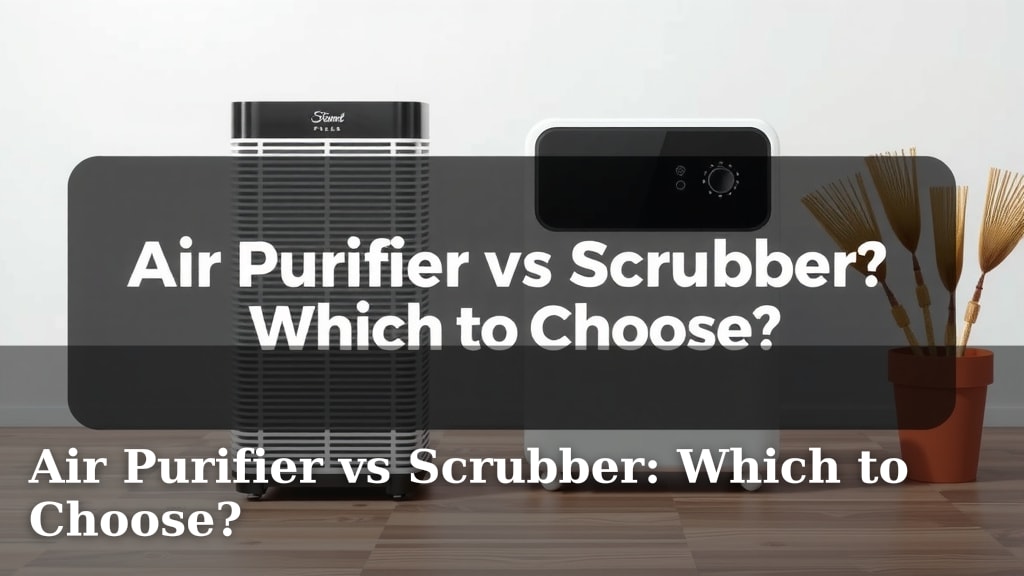
Air Purifier vs Scrubber: Which to Choose?
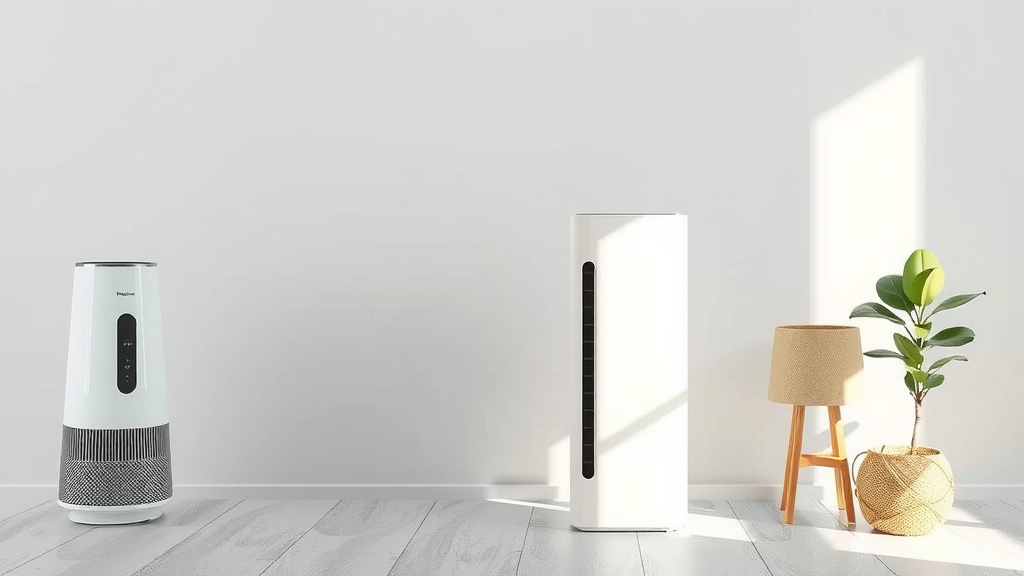
When choosing between an air purifier and a scrubber, the key difference is their primary function: air purifiers aim to remove airborne particles and pollutants from your indoor air, while scrubbers are industrial tools designed to remove harmful emissions from exhaust gases before they enter the atmosphere. For most homes, a high-quality air purifier is likely what you need to improve your indoor air quality.
You might be wondering which device is best for your needs. While both deal with air, they operate in very different environments and serve distinct purposes. Understanding this difference is vital for making an informed decision about your air quality. We found that most household air quality concerns are best addressed by a purifier, not an industrial scrubber.
- Air purifiers clean indoor air by removing pollutants.
- Scrubbers remove industrial emissions before they escape.
- For home use, you almost always want an air purifier.
- Scrubbers are large, industrial equipment.
Let’s break down exactly what each one does and help you figure out which type of air cleaning solution is right for your situation.
Air Purifiers vs. Scrubbers: Understanding Your Air Cleaning Options
So, you’re thinking about cleaning your air. That’s a great step for your health! But you’ve probably heard terms like “air purifier” and “air scrubber.” They sound similar, but they do very different jobs. It’s like comparing a sponge for your kitchen sink to a giant industrial vacuum cleaner for a factory. We’re here to help you figure out which one is actually right for your home.
The main idea is this: If you’re worried about dust, pollen, pet dander, or even smoke particles floating around your living room, you want an air purifier. If you’re running a factory and need to clean up exhaust fumes before they hit the sky, you might need an air scrubber. For almost everyone at home, an air purifier is the smart choice.
What Exactly is an Air Purifier?
Think of an air purifier as your home’s personal air cleaner. Its whole job is to clean the air inside your house or apartment. It works by drawing in the air, passing it through a series of filters, and then releasing cleaner air back into the room. It’s all about improving your indoor air quality.
How Do Air Purifiers Work?
Most air purifiers use a fan to pull air through them. As the air travels, it encounters different filters designed to trap specific types of pollutants. The most common filter is a HEPA (High-Efficiency Particulate Air) filter. These are amazing at capturing tiny particles.
- HEPA Filters: These are the gold standard. They can trap at least 99.97% of airborne particles 0.3 microns in size. That’s really, really small! This includes things like dust, mold spores, pollen, and pet dander.
- Activated Carbon Filters: These filters are great for odors and gases. They absorb smells from cooking, pets, or smoke. They also help with volatile organic compounds (VOCs) that can come from cleaning products or furniture.
- Pre-filters: These catch larger particles like hair and lint. They help the other filters last longer.
What Do Air Purifiers Remove?
Air purifiers are designed to tackle a range of common indoor air problems. If you suffer from allergies, have pets, or live in an area with poor outdoor air quality, a purifier can make a big difference.
- Dust and dust mites
- Pollen and seasonal allergens
- Pet dander and odors
- Mold spores
- Smoke particles and odors
- Some bacteria and viruses
- VOCs (Volatile Organic Compounds) from everyday products
Many studies show that using air purifiers can lead to fewer allergy symptoms and a generally healthier living space (National Institutes of Health). They are a proven way to reduce the concentration of harmful particles in your home.
Understanding Air Scrubbers
Now, let’s talk about air scrubbers. These are very different machines. You won’t find them in a typical living room. Air scrubbers are heavy-duty industrial equipment. Their main purpose is to clean large volumes of air, usually exhaust gases, before they are released into the environment.
The Industrial Purpose of Scrubbers
Imagine a big factory or a power plant. They produce a lot of smoke and fumes. These fumes can contain harmful chemicals like sulfur dioxide or nitrogen oxides. An air scrubber is installed in the exhaust system to remove these harmful substances.
They are designed to capture pollutants on a massive scale. Think of them as giant filters for industrial emissions. Their goal is environmental protection, not improving the air inside your home.
How Do Air Scrubbers Work?
Air scrubbers often use a liquid solution, like water or a chemical mixture, to capture pollutants. The exhaust gas is passed through this liquid. The harmful particles or gases either dissolve in the liquid or react with it, getting removed from the air stream. This process is called “wet scrubbing.”
Some scrubbers might use dry methods, but the core idea is the same: removing harmful substances from industrial exhaust. They are built for rugged environments and large-scale operations.
| Feature | Air Purifier | Air Scrubber |
|---|---|---|
| Primary Use | Cleaning indoor air for breathing | Cleaning industrial exhaust before release |
| Location | Homes, offices, bedrooms | Factories, power plants, industrial sites |
| Size | Portable, tabletop to floor models | Very large, industrial installations |
| Technology | HEPA, carbon, UV filters | Wet scrubbing (liquid), dry scrubbing |
| Target Pollutants | Dust, pollen, dander, odors, smoke particles | Industrial chemicals (e.g., SO2, NOx), particulate matter |
| Goal | Improve indoor air quality and health | Environmental protection, meet emission standards |
When Do You Actually Need an Air Scrubber?
Honestly, for 99% of people reading this, the answer is you probably don’t need an air scrubber for your home. They are expensive, require professional installation, and are designed for industrial applications. They aren’t meant for a typical living space.
If you’re involved in a large industrial process or a commercial operation with significant air emissions, then consulting with an environmental engineer about an air scrubber system would be appropriate. For your home, though, stick with what’s designed for that purpose.
Choosing the Right Air Purifier for Your Home
Since an air purifier is most likely what you need, let’s think about how to pick one. It’s not a one-size-fits-all situation. You want to match the purifier’s capabilities to your specific needs and the size of your room.
Consider Room Size and CADR
This is a big one. A small purifier won’t do much in a large living room. Look for the Clean Air Delivery Rate (CADR). This rating tells you how quickly the purifier can clean the air in a specific room size. Higher CADR numbers mean faster cleaning.
Many manufacturers will specify the room size their unit is best suited for. Always check this information to ensure you’re getting enough power for your space. A unit that’s too small will run constantly and still won’t get the air clean.
Filter Types Matter
As we discussed, different filters do different jobs. For general air cleaning, a HEPA filter is essential. If odors are a problem (hello, dog owners!), make sure it has a substantial activated carbon filter too.
Remember that filters need to be replaced. Check the cost and availability of replacement filters when you’re choosing a purifier. This is an ongoing expense to consider.
Extra Features to Look For
Some purifiers come with nice-to-have features. Smart controls that let you adjust settings from your phone can be handy. Some have air quality sensors that automatically adjust the fan speed. Others might have timers or different modes for quiet operation.
While these extras are nice, don’t let them distract you from the core function: effective filtration. A purifier with amazing filters is always better than one with lots of fancy bells and whistles but poor performance.
Quick Checklist for Buying an Air Purifier:
- Does it have a True HEPA filter?
- Is the CADR appropriate for your room size?
- Does it have an activated carbon filter if odors are a concern?
- Are replacement filters readily available and affordable?
- What is the noise level of the unit?
- Is it Energy Star certified to save on electricity?
Conclusion
You’ve learned that air purifiers and air scrubbers are worlds apart. For your home, an air purifier is designed to clean your indoor air, tackling everything from dust and pollen to pet odors. Air scrubbers, on the other hand, are industrial giants meant to clean factory emissions. They aren’t suitable for residential use.
To improve your home’s air quality, focus on choosing the right air purifier. Consider its HEPA filter, CADR rating for your room size, and any additional features you might need. Make an informed choice to breathe easier in your own space!
Frequently Asked Questions
Can an air scrubber be used in a home?
No, air scrubbers are not designed for home use. They are large, industrial machines meant for cleaning exhaust fumes from factories and power plants. Using one in your home would be impractical and unnecessary for typical indoor air concerns.
What’s the main difference between a purifier and a scrubber?
The primary difference lies in their purpose and scale. Air purifiers clean indoor air for people to breathe, removing common allergens and pollutants. Air scrubbers clean large volumes of industrial exhaust gases before they are released into the atmosphere, protecting the environment.
Do I need an air purifier if I don’t have allergies?
Yes, even if you don’t have allergies, an air purifier can still benefit your health. They remove everyday particles like dust, pet dander, and smoke, which can contribute to respiratory irritation and general air quality issues for anyone.
How often do I need to replace air purifier filters?
Filter replacement frequency varies by model and usage, but typically, pre-filters need cleaning monthly, and HEPA and carbon filters need replacing every 6-12 months. Always check your air purifier’s manual for specific recommendations.
Are air purifiers expensive to run?
Running costs for air purifiers depend on the unit’s energy efficiency and how often it’s used. Many modern purifiers are Energy Star certified to minimize electricity consumption. The ongoing cost of replacement filters is also a factor to consider.