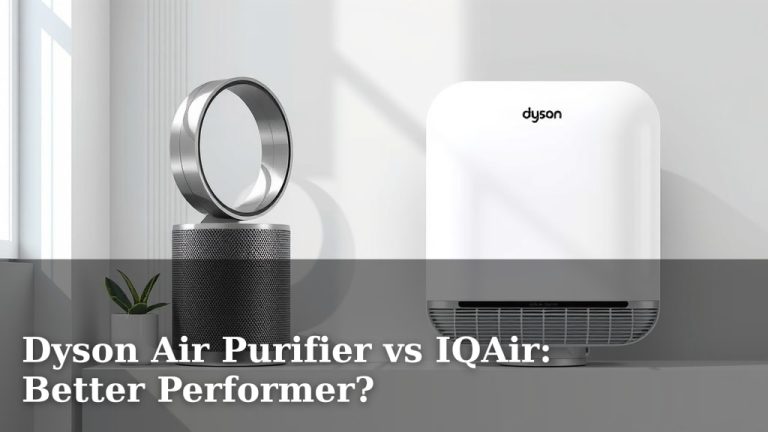
Air Doctor vs Dyson Air Purifier: Which Premium Option Is Worth It?
When you’re standing in front of two premium air purifiers, wallet in hand, you’re probably asking yourself the same question I did: which one actually delivers cleaner air without breaking the bank? Today, we’re diving deep into the Air Doctor versus Dyson air purifier debate, and I’m going to help you figure out which one deserves a spot in your home.
Both brands have built impressive reputations in the air quality space, but they approach the problem differently. Think of it like choosing between two luxury cars—they’ll both get you where you need to go, but the ride, the features, and the price tag tell completely different stories.
Understanding the Air Purification Market Today
The air purifier industry has exploded over the past few years, and for good reason. We’re all breathing the same air, and if that air contains dust, pollen, pet dander, or worse, we want to do something about it. Premium air purifiers sit at the top of this market, offering advanced filtration systems that go beyond what budget models can achieve.
But here’s the thing—premium doesn’t always mean better for your specific situation. You might be overpaying for features you don’t need, or you might be missing out on technology that would genuinely improve your life. That’s where this comparison comes in.
Meet the Contenders: Air Doctor and Dyson Explained
What Is Air Doctor?
Air Doctor has quietly become one of the most talked-about air purifiers in recent years. The company focuses on HEPA filtration combined with activated carbon, and they’ve built their reputation on delivering hospital-grade air quality for home use. Their design philosophy emphasizes simplicity and effectiveness over flashy features.
When you look at an Air Doctor unit, you’re looking at a product that doesn’t try to be everything to everyone. It’s sleek, relatively compact, and designed to fit into your home without screaming for attention.
What Is Dyson?
Dyson, on the other hand, is a household name that’s become synonymous with innovation. They’ve built their brand on cutting-edge technology and design excellence. Their air purifiers aren’t just air purifiers—they’re pieces of technology that incorporate smart features, app connectivity, and integration with existing smart home systems.
Dyson’s approach is more comprehensive, often combining air purification with other functions like heating or cooling in certain models. They’re targeting consumers who want the latest technology integrated into a beautifully designed package.
Filtration Technology: The Heart of the Matter
Air Doctor’s Filtration System
Air Doctor uses a three-stage filtration process that’s genuinely effective. First, there’s a pre-filter that catches larger particles. Then comes the activated carbon filter, which tackles odors and volatile organic compounds. Finally, the HEPA filter captures microscopic particles that other systems miss.
The beauty of this system is that it’s straightforward and proven. These technologies have been used in professional settings for decades, and Air Doctor applies them with precision.
Dyson’s Filtration Approach
Dyson uses a different strategy with their 360-degree HEPA and activated carbon filter. What makes this interesting is that the entire filter wraps around the machine, allowing air to be drawn from all directions. They claim this provides more comprehensive coverage than traditional top-down filtration.
Additionally, Dyson purifiers often include sensors that monitor air quality in real-time, displaying information on built-in screens or through their mobile app. This data-driven approach appeals to people who want to see exactly what they’re breathing.
Performance and Coverage: Which Cleans Better?
Air Doctor Coverage Area
Air Doctor models typically cover between 600 to 1,000 square feet, depending on which model you choose. This is solid coverage for most homes, whether you’re placing it in a bedroom, living room, or office space. The clean air delivery rate, or CADR, measures how quickly an air purifier can filter the air in a room.
Air Doctor’s CADR ratings are competitive in the premium market, meaning you’re not waiting around for visible improvements in air quality.
Dyson Coverage Area
Dyson purifiers generally cover similar square footage, ranging from about 500 to 1,000 square feet depending on the specific model. However, Dyson has invested heavily in their sensor technology, which means they can adjust fan speed automatically based on detected air quality.
This adaptive approach means Dyson might use less energy in a clean environment but ramp up when pollution spikes, creating a more dynamic cleaning experience.
Design and Aesthetics: What Does It Look Like In Your Home?
Air Doctor’s Design Philosophy
Air Doctor units have a minimalist aesthetic that fits into most homes without looking out of place. They’re generally tower-style purifiers with a simple, clean look. The design doesn’t scream “technology”—it simply exists as a functional piece of home equipment.
The controls are straightforward, usually featuring a power button and speed settings. Some models include a basic display showing filter life remaining, but nothing overly complicated.
Dyson’s Premium Design
Dyson purifiers are undeniably stylish, and honestly, that’s part of what you’re paying for. Their design team has created machines that look like they belong in a modern home. The cylindrical Pure Hot+Cool models, for example, are almost sculptural in their appearance.
Dyson includes an LCD screen on many models, app connectivity, and sometimes even touch controls. These features look impressive and feel premium, though they also add complexity to the device.
Noise Levels: Can You Sleep With It Running?
Air Doctor Noise Output
Air Doctor purifiers operate at reasonable noise levels, typically ranging from 25 to 60 decibels depending on the fan speed setting. On the lowest setting, it’s quieter than a whisper, making it bedroom-friendly. On the highest setting, it’s noticeably louder but not unbearably so.
If you’re planning to run your purifier at night while you sleep, the lowest settings are perfectly manageable.
Dyson Noise Output
Dyson purifiers tend to be slightly louder, with noise levels typically ranging from 29 to 65 decibels across their model lineup. At lower speeds, they’re similar to Air Doctor, but at maximum speed, they can be noticeably more audible.
The trade-off is that Dyson can potentially clean air more aggressively due to their more powerful motors, but this comes at the cost of increased noise.
Price Comparison: Getting Value for Your Money
Air Doctor Pricing
Air Doctor positions itself as a premium product but typically costs less than comparable Dyson models. You’re looking at roughly $300 to $600 for their flagship units, depending on size and features. Replacement filters cost around $50 to $100, which is reasonable for premium filtration.
The company frequently runs promotions, which can reduce the initial purchase price significantly. If you’re patient and watch for sales, you might snag a unit at a notably lower price.
Dyson Pricing
Dyson purifiers command premium prices, typically ranging from $500 to $750 for their air purifier-only models, and even more if you opt for combination units like the Pure Hot+Cool that adds heating and cooling functions. Replacement filters are similarly priced higher, usually between $100 and $150.
You’re absolutely paying for the brand name and technology here. Dyson doesn’t typically offer the same promotional discounts as Air Doctor, so expect to pay closer to the full asking price.
Smart Features and Technology Integration
Air Doctor’s Tech Approach
Air Doctor has been slower to adopt smart home integration compared to Dyson. While some newer models include basic connectivity features, Air Doctor’s strength lies in simplicity rather than high-tech features. You can control most units manually, without needing an app or smart home setup.
This is actually a feature, not a bug, for many people who prefer straightforward operation without technological complexity.
Dyson’s Smart Home Integration
Dyson purifiers include comprehensive app control, real-time air quality monitoring, and integration with smart home systems like Google Home and Amazon Alexa. You can check your home’s air quality from anywhere, schedule purifier operation, and receive alerts about filter replacements.
If you’re building a smart home ecosystem, Dyson purifiers fit seamlessly into that environment. However, this functionality adds cost and complexity that some users don’t actually want or need.
Maintenance and Filter Replacement
Air Doctor Filter Maintenance
Air Doctor filters typically last between 6 to 12 months, depending on your home’s air quality and how often you run the device. Replacing them is straightforward—you simply pop out the old filter and slide in the new one. No tools or technical knowledge required.
The company makes it easy to order replacement filters directly, and they often bundle discounts when you subscribe to regular replacements.
Dyson Filter Maintenance
Dyson filters also last roughly 12 months, and replacement is similarly simple. However, the higher price point of Dyson filters means maintenance costs are noticeably higher. The company’s subscription service can automatically send you replacement filters, which is convenient if you’re willing to pay the premium.
Dyson filters are proprietary, so you can’t use third-party alternatives, which keeps costs predictable but potentially expensive.
Real-World Performance: What Users Actually Experience
Air Doctor User Experiences
People who use Air Doctor purifiers consistently report noticeable improvements in air quality, particularly if they have allergies or sensitivities. The straightforward design means fewer things can go wrong, and the effective filtration system does its job reliably.
Users particularly appreciate the quiet operation on lower settings and the reasonable price point compared to other premium purifiers.
Dyson User Experiences
Dyson users love the design and smart features, feeling like they’ve invested in something beautiful and technologically advanced. The app connectivity allows people to monitor their home’s air quality even when away, which appeals to health-conscious consumers.
However, some users find the app connectivity occasionally unreliable, and the higher price point means people sometimes feel disappointed if a unit develops issues after the warranty expires.
Specific Scenarios: Which Should You Choose?
If You Have Allergies or Asthma
Both purifiers will help, but Air Doctor’s focus on effective HEPA filtration makes it a stellar choice. You don’t need smart features when you need clean air—you just need results. Air Doctor delivers that reliably and affordably.
If You Want Smart Home Integration
Dyson is your clear winner here. Their app control and smart home compatibility are unmatched in the premium air purifier market. If monitoring air quality from your phone matters to you, Dyson makes it happen.
If Budget Is Your Primary Concern
Air Doctor edges out Dyson. You’re getting similar air cleaning performance for less money, and maintenance costs are lower too. Your wallet will thank you.
If Design Matters as Much as Function
Dyson wins on aesthetics. If you care about your air purifier looking like a stylish piece of modern furniture rather than just functional equipment, Dyson’s design excellence justifies the premium.
Environmental Considerations and Energy Usage
Both Air Doctor and Dyson are relatively energy-efficient for their power output. Air Doctor typically uses 45 to 65 watts, while Dyson uses similar wattage at comparable speeds. If you run either purifier 24/7, you’re looking at a noticeable but not dramatic addition to your electricity bill.
From an environmental standpoint, both companies recommend filter replacements rather than washable filters, which generates some waste. Neither company currently offers a particularly innovative solution to the filter waste problem, so this is a tie.
Warranty and Customer Support
Air Doctor Warranty
Air Doctor typically offers a 1-year warranty on their purifiers, covering defects in materials and workmanship. Their customer support is responsive and helpful, though they’re not as large as Dyson, so response times can occasionally be slower.
Dyson Warranty
Dyson provides a similar 1-year warranty but backs it with their well-established global support network. As a larger company, Dyson has physical service centers in many locations, which can be valuable if something goes wrong. Their customer service is generally excellent, though sometimes frustrating when dealing with technical issues.
The Verdict: Which One Should You Buy?
Here’s my honest take: there’s no universally “better” choice. It depends on what matters most to you personally.
Choose Air Doctor if you want effective air purification without unnecessary complexity, if you’re budget-conscious, and if you prefer straightforward operation. This is the choice for people who just want clean air without overthinking it.
Choose Dyson if you’re willing to pay more for smart home integration, if you appreciate beautiful design, and if you want real-time monitoring of your home’s air quality. This is for people who see their air purifier as part of a larger smart home ecosystem.
Conclusion
The Air Doctor versus Dyson air purifier debate ultimately comes down to your priorities and budget. Both are legitimate premium options that will genuinely improve your indoor air quality. Air Doctor excels in providing reliable, effective filtration at a more accessible price point, making it perfect for people who want results without complexity or premium pricing. Dyson, meanwhile, offers cutting-edge technology, stunning design, and seamless smart home integration for those willing to invest extra for those features.
Neither choice is wrong. Your “right” answer depends entirely on what you value most in your home environment and which features actually matter in your daily life. Take time to consider your priorities, and you’ll end up with an air purifier that genuinely serves your needs for years to come.
Frequently Asked Questions
How often do I need to replace filters in Air Doctor versus Dyson purifiers?
Both Air Doctor and Dyson purifiers require filter replacements approximately every 12 months under typical usage conditions. However, this timeline can vary based on your home’s air quality, how frequently you run the purifier, and whether you have pets or live in a particularly dusty environment. If you run the device continuously in a high-pollution area, you might need replacements every 6 to 8 months instead.
Can I use third-party replacement filters with either brand?
Air Doctor and Dyson both use proprietary filters that are designed specifically for their machines. Using third-party filters might compromise the purifier’s performance and could potentially void your warranty. While you might find compatible alternatives online, manufacturers recommend using official replacement filters to ensure optimal air cleaning performance and maintain warranty coverage.
Do these air purifiers remove viruses and bacteria?
Both Air Doctor and Dyson use HEPA filters that can capture particles down to 0.3 microns, which includes most bacteria and some viruses. However, neither brand specifically markets their purifiers as virus killers. For guaranteed virus removal, you