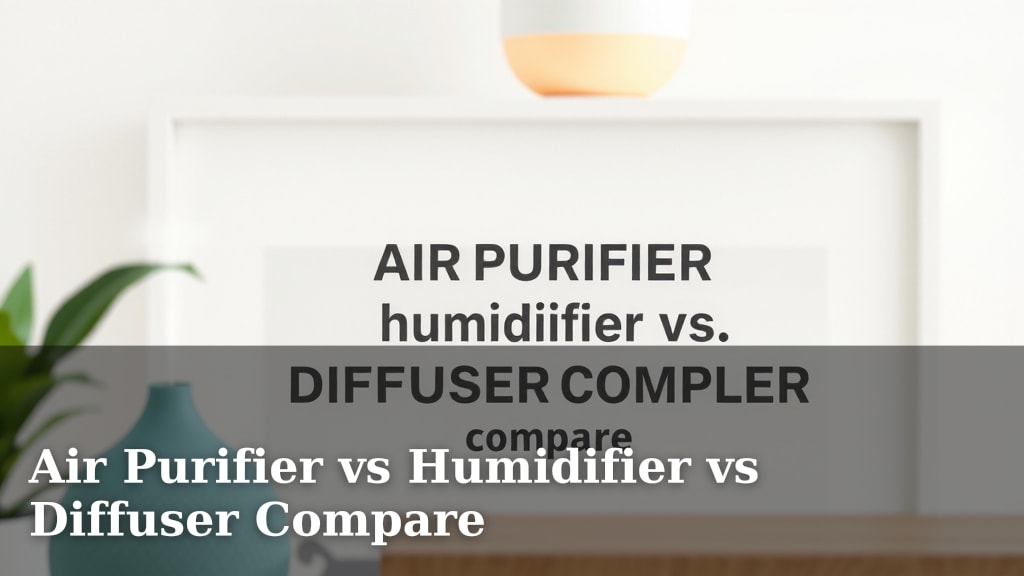
Air Purifier vs Humidifier vs Diffuser Compare
So, you’re wondering if you need an air purifier, a humidifier, or a diffuser for your home? While they all help manage your indoor air, they do very different jobs. An air purifier cleans the air of pollutants like dust and allergens, a humidifier adds moisture to dry air, and a diffuser disperses essential oils for aromatherapy. Understanding these differences is key to creating your ideal home environment.
We’ve found that many people get these devices mixed up, thinking they’re interchangeable. But each serves a unique purpose in improving your comfort and well-being. Knowing your goal—whether it’s cleaner air, easier breathing, or a pleasant scent—will guide you to the right choice. They can even work together, but knowing which does what is step one.
TL;DR:
- Air purifiers clean pollutants from the air.
- Humidifiers add moisture to dry air.
- Diffusers disperse essential oils for scent.
- They each have distinct functions.
- Choosing the right one depends on your needs.
Let’s break down exactly what each device does and how they compare, so you can decide which one (or ones!) are right for you and your home.
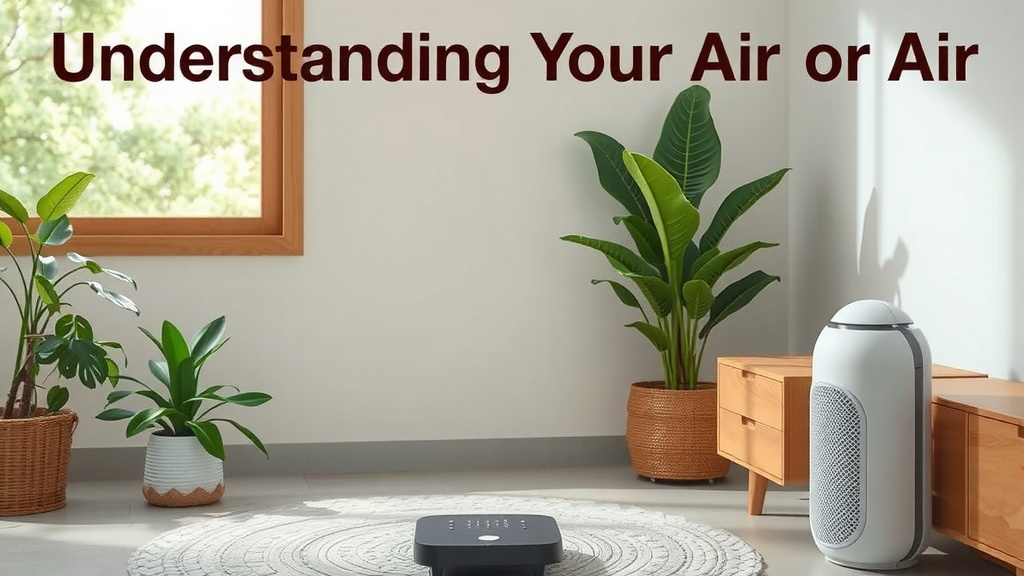
Understanding Your Indoor Air: Purifier, Humidifier, or Diffuser?
You’re here because you want better air quality at home. That’s a great goal! Many people get these devices confused. They all affect your air, but in very different ways. Let’s break down what each one does. This will help you choose the best device for your needs.
What an Air Purifier Actually Does
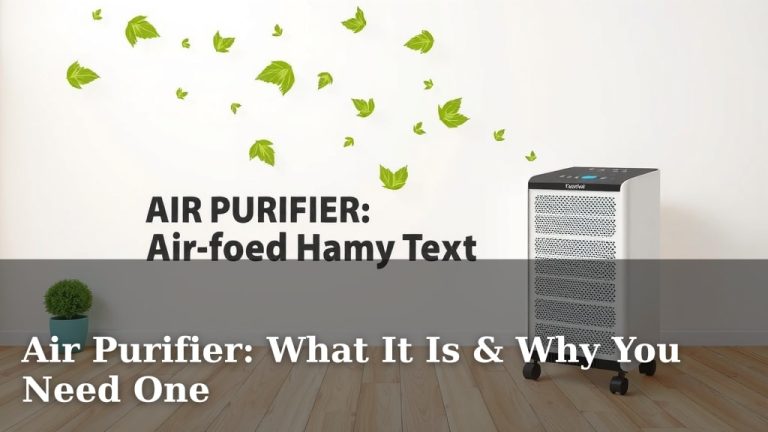
An air purifier is designed to clean your indoor air. It does this by drawing in air and passing it through a series of filters. These filters trap airborne particles. Think of it as a vacuum cleaner for your air. It removes things you can’t see.
What Air Purifiers Remove
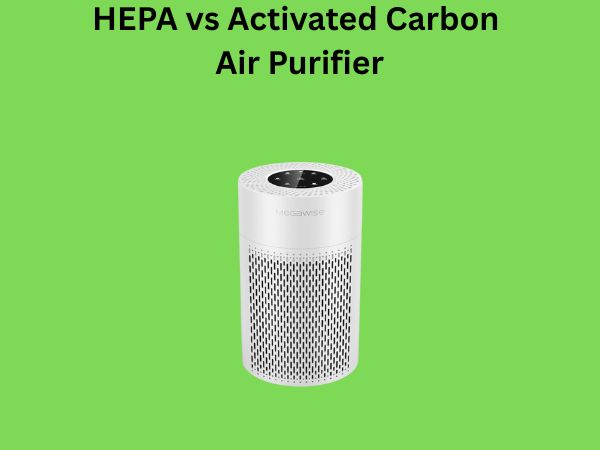
These devices are fantastic for removing common irritants. This includes dust, pollen, and pet dander. They can also capture mold spores and dust mites. Many advanced purifiers use HEPA filters. These are highly effective at trapping very small particles.
Some purifiers also target odors and gases. They use activated carbon filters for this. This can be helpful if you have pets or cook a lot. It helps freshen up stale-smelling rooms. Research suggests HEPA filters are highly effective against allergens (NIH).
When You Might Need an Air Purifier
If you suffer from allergies or asthma, an air purifier can be a lifesaver. It helps reduce the triggers in your environment. It’s also beneficial if you live in an area with high outdoor pollution. Anyone who wants cleaner, fresher air can benefit. Many find they sleep better with one running.
The Role of a Humidifier in Your Home
A humidifier’s main job is to add moisture to the air. This is important when your indoor air is too dry. Dry air can cause a variety of discomforts. It can affect your skin, your throat, and even your home.
Benefits of Proper Humidity Levels
Maintaining the right humidity level, typically between 30-50%, is key. When the air is too dry, your skin can become dry and itchy. Your throat might feel scratchy, and your sinuses can get irritated. This can make you more prone to colds and flu (Cleveland Clinic).
Dry air can also affect your home. Wood furniture and floors can dry out and crack. Static electricity becomes more common. Plants may struggle to thrive. Humidifiers combat these issues by releasing water vapor.
Types of Humidifiers
There are several types of humidifiers. Cool-mist humidifiers are popular and safe for homes with children. They don’t use heat. Warm-mist humidifiers boil water to release steam. This can kill bacteria in the water. Ultrasonic humidifiers use vibrations to create a fine mist. Finally, evaporative humidifiers use a fan to blow air through a wet wick.
When a Humidifier is Your Best Bet
If you live in a dry climate, a humidifier is almost essential. During winter months, heating systems dry out indoor air. If you wake up with a dry throat or nose, it’s a strong sign you need more humidity. People with dry skin conditions often find relief with one.
Introducing the Air Diffuser
An air diffuser is different from the other two. Its primary function is to disperse essential oils into the air. This is mainly for aromatherapy purposes. It creates a pleasant scent in your living space.
How Diffusers Work
Most diffusers use water and essential oils. An ultrasonic diffuser uses water and electronic frequencies to create a fine mist. This mist carries the essential oil particles throughout the room. Other types, like nebulizing diffusers, use pressurized air. They atomize the oil without water, creating a more concentrated aroma. Heat diffusers warm the oil to release its scent.
The Purpose of Aromatherapy
Essential oils are plant extracts. They are believed to have various therapeutic benefits. For example, lavender is often used for relaxation. Peppermint can be invigorating. Citus oils are known for their mood-boosting properties. Diffusers allow you to enjoy these scents and potential benefits. It’s about creating a specific mood or atmosphere.
When to Consider a Diffuser
If you enjoy aromatherapy or want to create a relaxing ambiance, a diffuser is for you. They are great for bedrooms, living rooms, or offices. They can help mask unpleasant odors naturally. If you’re looking to unwind or uplift your mood, a diffuser is the way to go.
Comparing the Three Devices
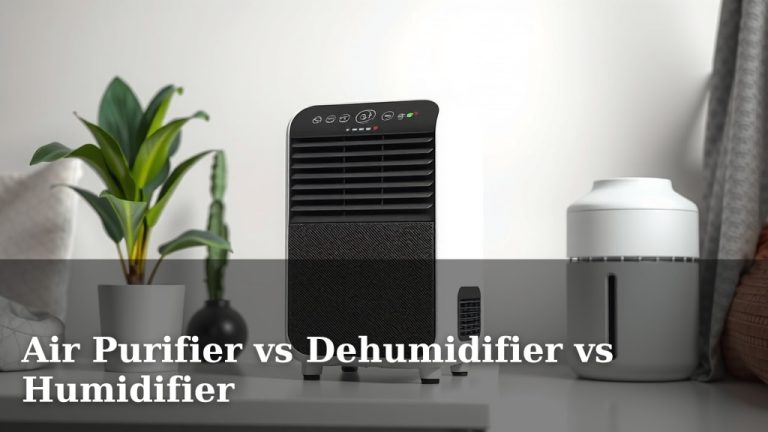
It’s easy to see how these devices are different when you look at them side-by-side. They serve distinct purposes for your home environment.
| Device | Primary Function | What it Affects | Key Benefit |
|---|---|---|---|
| Air Purifier | Cleans air particles | Air quality (removes pollutants) | Healthier breathing, fewer allergens |
| Humidifier | Adds moisture to air | Air humidity (increases moisture) | Comfort, prevents dryness issues |
| Diffuser | Disperses essential oils | Air scent and mood (aromatherapy) | Relaxation, pleasant atmosphere |
Can You Use Them Together?
Yes, absolutely! Many people use these devices in combination. You could have an air purifier running to keep the air clean. Then, use a humidifier during dry winter months. A diffuser can add a pleasant scent to the purified, humidified air. They aren’t competing products; they can be complementary tools for a better home environment.
Making Your Choice: A Quick Checklist
To help you decide, consider these questions:
- Are you concerned about dust, allergens, or pollution?
- Do you suffer from dry skin, a sore throat, or static electricity?
- Are you interested in using essential oils for relaxation or mood enhancement?
- Do you live in a very dry climate or a polluted area?
- Is your primary goal to breathe cleaner air or feel more comfortable?
Answering these will point you in the right direction. Often, people find they need more than one device.
Conclusion
You’ve learned that air purifiers, humidifiers, and diffusers each have a distinct role in managing your home environment. An air purifier tackles pollutants for cleaner air. A humidifier combats dryness by adding moisture. A diffuser disperses essential oils for a pleasant aroma and ambiance. They aren’t competing products; they can work together to create your ideal atmosphere.
To make your choice, think about your primary concerns: cleaner air, easier breathing, comfort from dryness, or a relaxing scent. Consider addressing your most pressing need first, and then explore how the other devices might enhance your space. Your next step is to identify which of these targeted solutions best fits your home’s current needs.
Frequently Asked Questions
Can an air purifier make my room smell better?
Air purifiers primarily focus on removing particles and odors from the air. While they can eliminate stale smells, they don’t add new scents. If you want a pleasant aroma, you’ll need a separate diffuser.
How often should I refill a humidifier?
The frequency of refilling a humidifier depends on its tank size and the humidity level you set. Many need daily refills, especially in very dry conditions or when used constantly. Always check your humidifier’s manual for specific recommendations.
Can I put essential oils in my humidifier?
You should generally avoid putting essential oils directly into most humidifiers. The oils can degrade the plastic components and clog the mechanisms. Use a dedicated diffuser for essential oils to protect your humidifier and get the best scent dispersal.
Which device is best for allergy sufferers?
For allergy sufferers, an air purifier is usually the most beneficial. It actively removes common allergens like dust, pollen, and pet dander from the air you breathe. While humidity can sometimes help with dry nasal passages, cleaning the air is the primary goal for allergy relief.
Can I use a diffuser and an air purifier at the same time?
Yes, you can absolutely use a diffuser and an air purifier simultaneously. They perform different functions and are not in conflict. You can enjoy cleaner air from the purifier while simultaneously diffusing essential oils for a relaxing or uplifting atmosphere.