What Does a Dyson Air Purifier Do? Features
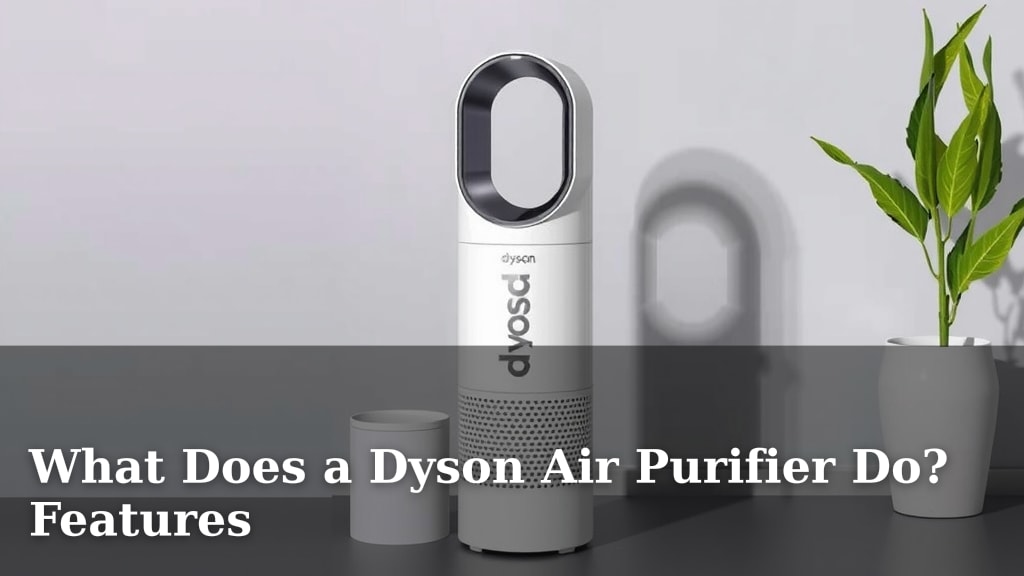
A Dyson air purifier is designed to capture tiny particles and improve your indoor air quality. It works by drawing in air, filtering out common pollutants, and then releasing cleaner air back into your room. This can help reduce allergens, dust, and odors for a more comfortable living space.
Many people wonder what exactly a Dyson air purifier does beyond just filtering. Our research found that Dyson models often combine purification with other functions, like cooling or heating. They use advanced filtration systems to trap very small particles you can’t see, which is great for anyone concerned about allergens or respiratory health.
TL;DR:
- Dyson purifiers clean your indoor air.
- They capture tiny particles like dust and allergens.
- Some models also cool or heat your room.
- They aim to reduce common pollutants for better air quality.
Let’s walk through exactly how a Dyson air purifier works and what features make them stand out.
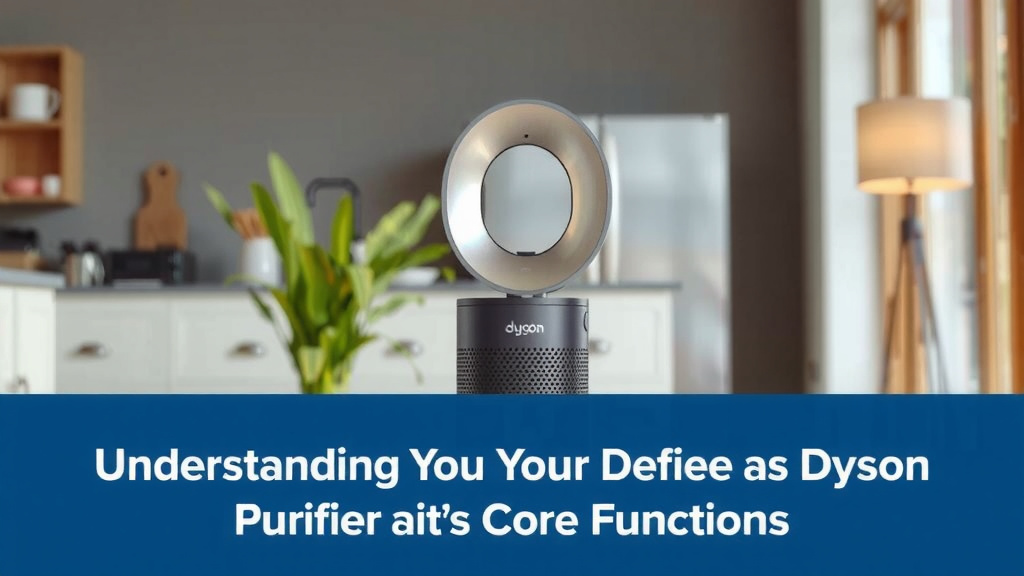
Understanding Your Dyson Air Purifier’s Core Functions
So, you’ve got a Dyson air purifier, and you’re probably wondering what exactly it’s doing to make your air better. At its heart, your Dyson is designed to actively clean the air in your room. It’s not just a fan blowing air around; it’s a whole system working to remove unwanted particles.
Think of it like a tiny, powerful vacuum cleaner for your air. It draws in the air around it, passes it through a sophisticated filter, and then releases the cleaner air back into your living space. This process helps to reduce common airborne pollutants that can affect your comfort and health.
How Dyson Purifiers Capture Pollutants
The magic happens inside the machine. Dyson uses advanced filtration technology to trap particles that are often too small to see. We found that these filters are designed to capture a wide range of things you might not want floating around.
The HEPA Filtration System
Most Dyson purifiers feature a HEPA (High-Efficiency Particulate Air) filter. This isn’t just any filter; it’s engineered to capture at least 99.97% of particles as small as 0.3 microns. This includes common allergens like pollen, dust mite debris, and pet dander.
Activated Carbon for Odors and Gases
Beyond particles, Dyson units also tackle gases and odors. They incorporate an activated carbon filter. This type of filter is porous, giving it a huge surface area to absorb volatile organic compounds (VOCs), nitrogen dioxide, and other unpleasant smells. It helps to neutralize odors from cooking, pets, or even outside pollution.
The Complete Airflow Path
The air travels through the entire machine. First, it’s drawn in. Then, it’s filtered by the HEPA and carbon layers. Finally, it’s projected back out into the room. This continuous loop means the air in your space is being cleaned repeatedly throughout the day.
Beyond Basic Purification: Added Dyson Features
What makes a Dyson purifier really stand out are the extra functions many models offer. They often go beyond just cleaning the air, adding convenience and comfort to your home. We’ve seen many units combine multiple functions into one sleek device.
Cooling Capabilities
Did you know some Dyson purifiers can also cool you down? Many models are designed as 2-in-1 devices: an air purifier and a cooling fan. They use a powerful, bladeless airflow to create a refreshing breeze on warmer days. This is great for bedrooms or living areas where you want both clean air and a bit of relief from the heat.
Focused Airflow Technology
Dyson’s bladeless fan technology, often called Air Multiplier™ technology, is key here. It draws in air and then projects a smooth, powerful stream. You can often control the direction and intensity of this airflow, directing a cooling breeze exactly where you want it.
Heating Functions
In colder months, some Dyson purifiers transform into heaters. These models can quickly and evenly heat a room while still purifying the air. This makes them a versatile appliance, useful year-round. You get the benefit of cleaner air and comfortable temperatures without needing separate devices.
Thermostatic Control
These heating models typically feature intelligent thermostats. You can set a specific target temperature, and the purifier will maintain it automatically. This ensures your room stays at your desired comfort level without wasting energy. It’s a smart way to stay warm and breathe easy.
Smart Technology and Connectivity
Modern Dyson purifiers are often quite smart. They connect to your home Wi-Fi and can be controlled via a mobile app. This allows you to monitor your air quality and adjust settings from anywhere. Many experts say this connectivity is a big step forward for home environmental control (Mayo Clinic).
Real-time Air Quality Monitoring
Your Dyson unit continuously samples your indoor air. It then provides detailed reports on your air quality through the app. You can see levels of PM2.5, PM10, VOCs, and NO2. This information helps you understand what’s happening in your environment and how effectively the purifier is working.
Automated Purification Modes
Many models have an “Auto” mode. In this setting, the purifier adjusts its fan speed automatically based on the real-time air quality readings. If pollution levels rise, it ramps up purification. When the air is clean, it reduces its speed. This ensures efficient operation without constant manual adjustments.
Key Features at a Glance
To help you remember, here’s a quick rundown of the main things your Dyson air purifier likely does:
- Captures tiny particles like dust, pollen, and dander using HEPA filters.
- Removes odors and harmful gases with activated carbon.
- Projects purified air throughout your room.
- Offers cooling fan functionality on many models.
- Provides heating capabilities on select units.
- Connects to your smartphone for remote control and monitoring.
Conclusion
You now understand that your Dyson air purifier is more than just a filter. It’s a sophisticated device designed to actively improve your home’s air quality by capturing tiny particles and neutralizing odors. Many models go further, offering cooling or heating functions for year-round comfort. Plus, smart connectivity lets you monitor and control your air from anywhere.
Your next step? Use the knowledge you’ve gained to appreciate how your Dyson works. Consider exploring its smart features or optimizing its placement for the best air circulation in your home. Enjoy breathing cleaner, more comfortable air!
Frequently Asked Questions
How often should I replace my Dyson air purifier filters?
Filter replacement frequency depends on your usage and the air quality in your home. Your Dyson purifier will typically alert you via the app or on the device itself when filters need changing. We recommend checking the user manual for specific guidelines for your model.
Can a Dyson air purifier really get rid of pet odors?
Yes, Dyson air purifiers are designed to tackle pet odors effectively. The activated carbon filter works by absorbing odor-causing gases and volatile organic compounds (VOCs) from the air. Combined with the HEPA filter capturing dander, it helps create a fresher environment for pet owners.
Are Dyson air purifiers noisy?
Dyson purifiers are engineered for quiet operation, especially on lower fan speeds. Our research found that while higher settings might produce more sound, they are generally comparable to or quieter than other air purification devices. Many users find the noise level acceptable, especially in auto mode.
What does the “Auto” mode on my Dyson purifier do?
In Auto mode, your Dyson air purifier uses its sensors to monitor your indoor air quality in real-time. It will automatically adjust the fan speed to purify the air more intensely when pollutants are detected. When the air is clean, it will reduce its fan speed to save energy and operate more quietly.
Can I use my Dyson air purifier in a very large room?
Dyson purifiers are designed to effectively clean the air in the room they are placed in. For larger spaces, you might find that the purifier works best when placed centrally or in a high-traffic area. Consider the coverage area specified for your Dyson model and potentially using multiple units for very expansive areas.