Air Purifier vs Smoke: Does It Remove Smoke?
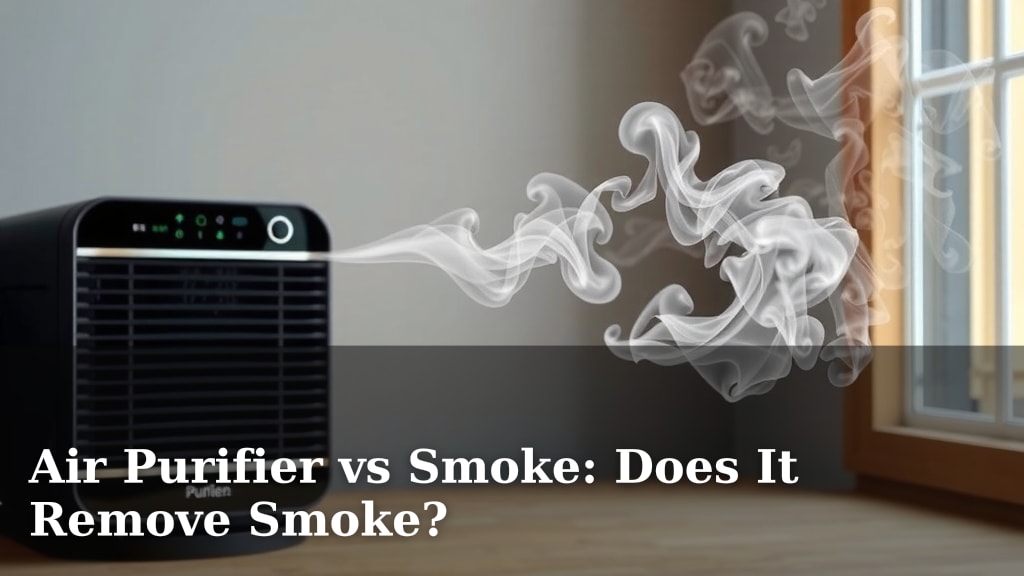
Yes, an air purifier can remove smoke from your home, especially when it has the right kind of filters. They work by trapping smoke particles and odors, cleaning your air effectively. This means you can finally breathe a little easier after smoke events, whether from cooking mishaps or wildfire season. A good air purifier is your best defense against smoke.
Smoke is made up of tiny particles and gases that can irritate your lungs and leave a lingering smell. Standard air purifiers often include activated carbon filters. These are specifically designed to absorb odors and harmful gases. Combining this with a HEPA filter for particles makes them a powerful tool against smoke.
- Air purifiers can effectively remove smoke particles and odors.
- Look for models with HEPA filters and activated carbon for best results.
- They help clear the air after cooking smoke or wildfire smoke.
- Choosing the right purifier makes a big difference in air quality.
We’ve researched how different air purifiers tackle smoke. Let’s break down exactly how they work and what to look for in your next unit.
Can Air Purifiers Really Handle Smoke?
You’re probably wondering if that air purifier you have gathering dust will actually help during a smoke event. The short answer is a resounding yes! Air purifiers are quite effective at removing smoke from your home. They work by trapping those pesky smoke particles and absorbing the odors that come with them. This can make a huge difference, especially after a kitchen mishap or when wildfire smoke drifts into your neighborhood.
Think of your air purifier as a tiny, diligent cleaner for your air. It’s designed to capture airborne irritants, and smoke is a big one. Many models are equipped with specific filters that target smoke components. So, if you’re dealing with smoky air, an air purifier can be your best friend. It’s not just about convenience; it’s about breathing healthier air.
How Air Purifiers Target Smoke
Smoke isn’t just one thing; it’s a complex mix. It contains tiny particles, like soot and ash, as well as gases and volatile organic compounds (VOCs) that cause that strong smell. Air purifiers tackle this mix using a multi-stage filtration process. This ensures that both the visible particles and the invisible gases are captured.
The Role of HEPA Filters
At the heart of most effective air purifiers is the High-Efficiency Particulate Air (HEPA) filter. You’ll often see them advertised as “True HEPA.” This is a big deal. A True HEPA filter is certified to capture 99.97% of airborne particles as small as 0.3 microns. Smoke particles are well within this range. We found that HEPA filters are excellent at trapping ash, soot, and other fine smoke debris. They prevent these particles from circulating back into your room. So, for the visible elements of smoke, HEPA is your go-to.
Activated Carbon: The Odor Eliminator
While HEPA filters handle the particles, they don’t do much for smoke’s smell. That’s where activated carbon filters come in. Activated carbon is a highly porous material that has been treated to be incredibly absorbent. Think of it like a sponge, but for gases and odors. It has a massive surface area, perfect for trapping smoke’s smelly compounds. Many experts say that a substantial amount of activated carbon is key for smoke odor removal (Environmental Protection Agency).
What to Look for in Carbon Filters
Not all activated carbon filters are created equal. For smoke, you want a filter with a generous amount of carbon. Some air purifiers might have a thin layer, which won’t be very effective against strong smoke odors. We recommend looking for units that boast a thick, granular activated carbon filter, or a filter that’s specifically designed for pet odors or smoke. More carbon means more odor-fighting power. It’s also good to know that these filters do get “full” and need replacing.
Pre-Filters for Added Protection
Many air purifiers also include a pre-filter. This is usually a washable mesh that sits in front of the HEPA and carbon filters. Its main job is to catch larger particles like dust bunnies, pet hair, and yes, larger bits of smoke debris. This is super helpful because it prevents the main filters from getting clogged too quickly. A clean pre-filter means your HEPA and carbon filters can work more efficiently for longer. It’s a simple but effective first line of defense.
Different Types of Smoke and How Purifiers Cope
Your home can experience smoke from various sources, and air purifiers can help with most of them. It’s good to understand the differences so you know what to expect.
Cooking Smoke: The Everyday Challenge
We’ve all been there – burnt toast or an overcooked dinner can fill your kitchen with smoke. This type of smoke is often a mix of grease particles and burnt food odors. Air purifiers with a good carbon filter are particularly useful here. They quickly clear the air and remove that unpleasant lingering smell. You’ll notice the difference almost immediately.
Wildfire Smoke: The Serious Threat
Wildfire smoke is a more serious concern. It contains a very high concentration of fine particles and toxic gases, including carbon monoxide and VOCs. For this, you absolutely need an air purifier with a True HEPA filter and a substantial activated carbon filter. The HEPA will capture the incredibly fine ash and soot, while the carbon will work hard to neutralize the harmful gases and acrid smell. It’s vital to run these purifiers continuously during wildfire events. Keeping your windows closed is also essential.
Fireplace and Candle Smoke: Cozy but Smoky
Even the cozy glow of a fireplace or the ambiance of scented candles can produce smoke. This smoke also contains fine particles and odors. While generally less intense than wildfire smoke, it can still impact air quality. An air purifier with both HEPA and carbon filtration can effectively manage these types of smoke. It helps maintain a fresher, cleaner indoor environment.
Choosing the Right Air Purifier for Smoke
So, you’ve decided you need an air purifier to combat smoke. Great choice! But with so many options, how do you pick the right one? Here’s what our research suggests you should prioritize:
Filter Types Are Key
As we’ve discussed, your primary needs are a True HEPA filter and a robust activated carbon filter. Without these, you’re not getting the full smoke-fighting capability. Check the product specifications carefully to ensure it explicitly states “True HEPA” and mentions the amount or type of activated carbon. Some brands use generic terms, which can be misleading. We found that units with a separate, thick carbon filter perform best.
Room Size Matters (CADR Ratings)
Air purifiers are rated for the size of the room they can effectively clean. Look for the Clean Air Delivery Rate (CADR) scores. These numbers indicate how quickly the purifier can clean the air of smoke, dust, and pollen. For smoke, you want a high CADR rating for smoke specifically. It’s often listed alongside ratings for dust and pollen. A higher CADR means faster, more efficient cleaning, which is exactly what you need when smoke is present.
We recommend choosing a purifier that is rated for a room slightly larger than the one you intend to use it in. This gives you extra power to tackle sudden smoke influxes. For instance, if you have a 150 sq ft living room, consider a purifier rated for 200-250 sq ft.
Noise Levels and Features
Air purifiers can sometimes be noisy, especially on higher settings. If you’re sensitive to noise, check the decibel (dB) ratings for different fan speeds. Many units have a “sleep mode” that operates very quietly. Other features to consider include air quality sensors that automatically adjust fan speed, filter replacement indicators, and smart capabilities for remote control. These aren’t essential for smoke removal but can add convenience.
Tips for Maximizing Your Air Purifier’s Effectiveness Against Smoke
Getting the right air purifier is only half the battle. Here are some tips to ensure it works as hard as possible when smoke is around:
- Keep windows and doors closed during smoke events.
- Place the purifier in the room where you spend the most time, or where smoke is most concentrated.
- Run the purifier on its highest setting when smoke is first detected, then lower it once the air quality improves.
- Regularly check and clean the pre-filter to ensure optimal airflow.
- Replace HEPA and carbon filters according to the manufacturer’s recommendations. Overused filters lose their effectiveness.
- Consider using multiple purifiers if you have a large home or significant smoke issues.
Conclusion
You now know that air purifiers are a powerful ally against smoke. By using the right combination of HEPA and activated carbon filters, they effectively trap smoke particles and neutralize odors. Whether it’s a cooking mishap or wildfire smoke, a well-chosen air purifier can significantly improve your indoor air quality. Don’t let smoke linger in your home; take the step to invest in cleaner air. Your next move is to review your current air purifier or select a new model with these key features to start breathing easier.
Frequently Asked Questions
How quickly can an air purifier clear smoke?
An air purifier’s speed in clearing smoke depends on its CADR rating and the intensity of the smoke. Higher CADR ratings mean faster air cleaning. Running the purifier on its highest setting when smoke first appears will yield the quickest results.
Will an air purifier remove the smell of smoke completely?
A good air purifier with a substantial activated carbon filter can dramatically reduce smoke odors. The carbon absorbs the odor-causing gases. However, very heavy smoke might require extended purification or professional cleaning for complete odor removal.
Do I need a special air purifier for wildfire smoke?
For wildfire smoke, you absolutely need an air purifier with a True HEPA filter and a thick activated carbon filter. This combination is essential for capturing the ultra-fine particles and absorbing the toxic gases and strong odors associated with wildfires.
How often should I replace filters for smoke removal?
Filter replacement frequency depends on usage and smoke levels. Manufacturers typically provide recommended intervals. However, if you experience frequent or heavy smoke, you may need to replace filters more often to maintain effectiveness.
Can air purifiers help with smoke from cigarettes?
Yes, air purifiers can help reduce the particles and odors from cigarette smoke. A unit with both HEPA and activated carbon filtration will be most effective at capturing the fine particulate matter and absorbing the associated smells.