Box Fan w/ Filter vs Air Purifier: Cleaner?
When it comes to cleaning your indoor air, a box fan with a filter can offer some improvement, but a dedicated air purifier is generally more effective. While a DIY box fan setup can capture larger particles like dust and pet hair, it often struggles with finer pollutants like smoke, pollen, and mold spores that air purifiers are designed to tackle. You might be wondering which is the better investment for your home’s air quality.
We’ve researched the differences and found that the effectiveness of a box fan filter largely depends on the type of filter used and how well it seals to the fan. Air purifiers, on the other hand, are built with specialized multi-stage filtration systems, including HEPA filters, that are specifically engineered for superior removal of microscopic allergens and irritants. They also typically offer features like multiple fan speeds and air quality sensors.
- Box fans can help with large dust.
- Air purifiers are better for fine particles like smoke and pollen.
- HEPA filters in air purifiers offer superior air cleaning.
- Air purifiers often have extra features for better performance.
Let’s break down the pros and cons of each so you can decide which is the right fit for your needs.
Comparing Air Cleaners: Box Fan with Filter vs. Air Purifier
You’re looking for cleaner air at home. That’s a great goal! Many people consider a DIY box fan filter setup. Others think about buying a dedicated air purifier. We’ve looked into which one truly makes a difference for your air quality.
Generally, a dedicated air purifier offers **superior air cleaning** compared to a box fan with a filter. Think of it like this: a box fan filter is a helpful addition for basic dust. An air purifier is a specialized tool built for serious air purification.
How a Box Fan Filter Works
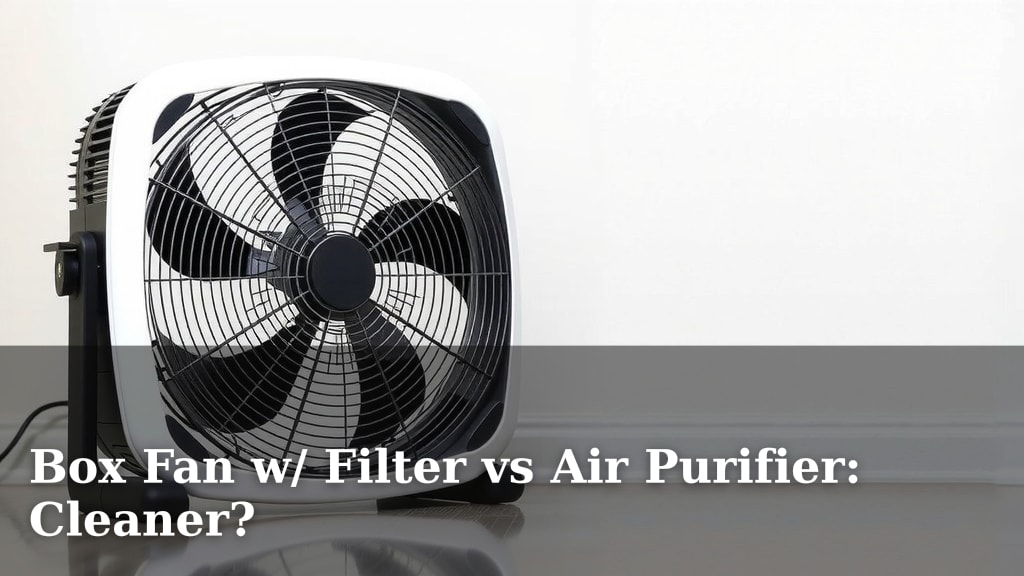
A box fan with a filter is pretty straightforward. You attach a furnace filter to the back of a box fan. The fan then pulls air through the filter. This catches some of the particles floating around.
What It Catches (and What It Doesn’t)
These DIY setups are decent at trapping **larger particles**. We’re talking about things like:
- Dust bunnies
- Pet hair
- Larger dust specks
However, they often struggle with much smaller pollutants. Think about things that really bother allergy sufferers. This includes:
- Fine dust
- Pollen
- Mold spores
- Smoke particles
- Bacteria and viruses
The effectiveness really depends on the type of filter you use. A cheap, thin filter won’t do much. A thicker, higher MERV-rated filter will catch more. But even then, it’s not a perfect seal.
Sealing and Airflow Challenges
One big hurdle is getting a good seal. Air can sneak around the edges of the filter. This means some dirty air bypasses the filter altogether. We found that even with tape, it’s hard to get a perfect seal. Also, thicker filters can restrict airflow. This makes your fan work harder and might even reduce its lifespan. It can also make the fan less effective at moving air around the room.
Understanding Air Purifiers
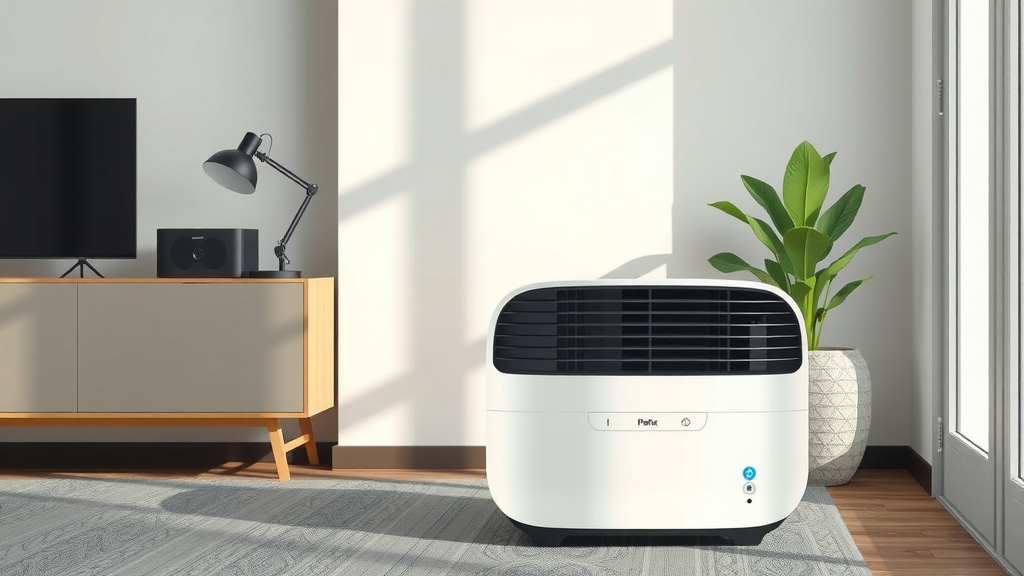
Air purifiers are designed from the ground up for one job: cleaning your air. They use advanced technology to capture a wide range of pollutants.
Multi-Stage Filtration Systems
Most air purifiers use several filters working together. This is called a multi-stage filtration system. It’s a much more thorough approach.
The Power of HEPA Filters
The star of the show in many air purifiers is the HEPA filter. HEPA stands for High-Efficiency Particulate Air. True HEPA filters are certified to capture at least 99.97% of airborne particles as small as 0.3 microns. This includes the tiny stuff that box fan filters usually miss. These filters are excellent for removing allergens like pollen and pet dander, as well as smoke and mold spores (Cleveland Clinic).
Pre-filters and Activated Carbon
Beyond HEPA, many purifiers have a pre-filter. This catches larger particles first. It helps the HEPA filter last longer. You’ll also often find an activated carbon filter. This filter is great at absorbing odors and gases. So, if cooking smells or pet odors bother you, this is a key feature.
Key Features of Air Purifiers
Air purifiers offer features that box fan setups just can’t match.
- Multiple Fan Speeds: You can adjust the cleaning power. Run it on high when needed, or on a quiet low setting for continuous cleaning.
- Air Quality Sensors: Some models detect pollutants. They can automatically adjust fan speed based on the air quality in your room.
- Timers: Set your purifier to run for a specific amount of time.
- Filter Replacement Indicators: You’ll know exactly when it’s time to change filters. No guesswork involved.
Direct Comparison: Which is “Cleaner”?
Let’s look at how they stack up in a simple table.
| Feature | Box Fan with Filter | Dedicated Air Purifier |
|---|---|---|
| Particle Capture | Good for larger particles (dust, hair). Limited for fine particles. | Excellent for fine particles (pollen, smoke, mold, allergens) with HEPA. |
| Odor/Gas Removal | Minimal to none. | Often includes activated carbon for odor and gas absorption. |
| Efficiency | Variable, dependent on filter quality and seal. Often imperfect seal. | High, designed for optimal airflow and filtration. |
| Features | Basic fan operation. | Multiple speeds, sensors, timers, indicators. |
| Cost | Lower initial cost for fan and filter. | Higher initial cost, plus ongoing filter replacement costs. |
When a Box Fan Filter Might Suffice
If you’re on a very tight budget and your main concern is visible dust or pet hair in a small space, a box fan with a decent filter might offer a slight improvement. It’s a step up from nothing for these specific issues.
Why an Air Purifier is Often the Better Choice
For most people seeking genuinely cleaner air, especially those with allergies, asthma, or concerns about smoke or odors, an air purifier is the clear winner. The specialized filtration, particularly HEPA, makes a significant difference in capturing those invisible irritants. Research consistently shows HEPA filters are crucial for removing microscopic allergens (NIH).
Making Your Decision
Think about what you want to achieve. Are you just trying to catch some floating dust? Or do you want to seriously reduce allergens, smoke, and odors for better respiratory health? Your goals will guide you.
A Quick Checklist for Cleaner Air
Consider these points:
- What are your main air quality concerns?
- Do you have allergies or asthma?
- What’s your budget for the unit and ongoing filter replacements?
- How large is the room you want to clean?
- Are odors a problem in your home?
Answering these questions will help you see which option best fits your needs and your home.
Conclusion
When choosing between a box fan with a filter and a dedicated air purifier, your home’s air quality needs are the deciding factor. While a DIY box fan setup can offer a modest improvement for larger dust particles, it simply can’t compete with the advanced filtration of an air purifier. For genuine relief from allergens, smoke, odors, and microscopic irritants, an air purifier with a HEPA filter is the superior choice. We recommend investing in an air purifier if you’re serious about creating a healthier indoor environment. Start by assessing your primary air quality concerns and budget to find the right model for your home.
Frequently Asked Questions
Can a box fan with a filter really make a difference?
Yes, a box fan with a filter can make a small difference, especially for larger particles like dust and pet hair. It’s a budget-friendly option for basic air improvement. However, its effectiveness is limited compared to specialized air purifiers.
How often should I replace the filter on my box fan setup?
You should aim to replace the filter on your box fan setup every 1-3 months, depending on the filter type and your home’s air quality. Check the filter regularly; if it looks visibly dirty, it’s time for a change.
Are air purifiers noisy?
Air purifier noise levels vary by model and fan speed. Many have quiet “sleep” or “low” settings suitable for bedrooms. Higher fan speeds will, of course, produce more sound, but modern units are generally designed to be less obtrusive than older models.
Do air purifiers help with pet odors?
Yes, many air purifiers are equipped with activated carbon filters that are highly effective at absorbing and neutralizing pet odors and other household smells. This is a feature typically not found in basic box fan setups.
What does “HEPA filter” mean for an air purifier?
A HEPA filter is a high-efficiency particulate air filter. True HEPA filters are certified to capture at least 99.97% of airborne particles that are 0.3 microns in size. This makes them excellent for trapping allergens, pollen, mold spores, and smoke.