Understanding Dust: What We’re Fighting
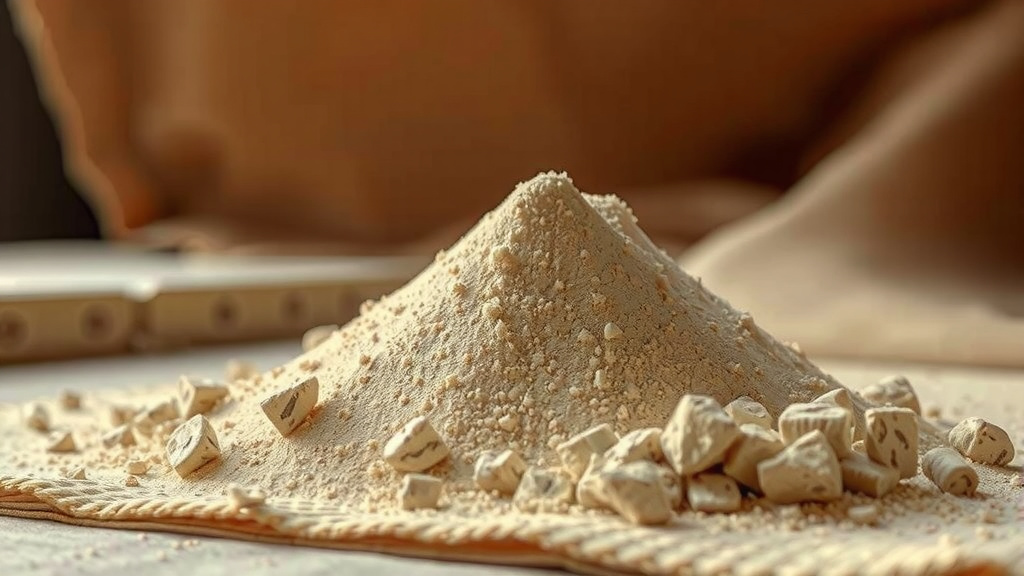
Dust is mostly made up of dead skin cells, tiny fabric fibers, and soil particles. It’s a constant battle in your home because these materials are always breaking down and floating around. Understanding what makes up dust helps you tackle it more effectively.
You might be surprised to learn what’s floating in the air you breathe every day. Dust is a mix of everything from the outdoors and inside your home. We found that it can even carry allergens like pollen and pet dander, making your indoor air quality a major concern for your family’s health.
- Dust is a mix of skin, fibers, and dirt.
- It can carry allergens like pollen and pet dander.
- Regular cleaning is key to reducing dust.
- Understanding dust helps you clean smarter.
Let’s walk through exactly what this common household nuisance is made of and why it keeps coming back, so you can win the fight against dust.
What Exactly Is Dust Made Of?
You might think dust is just a little bit of dirt. But it’s a complex mix of particles. We’ve looked into what really makes up household dust. You’ll be surprised by how much comes from your own body!
Your Own Shedding Skin Cells
Did you know a big part of dust is your own skin? Your body constantly sheds dead skin cells. It happens all the time, day and night. We found that these tiny flakes are a primary component of dust bunnies. They float through the air and settle on surfaces.
Fibers From Your Home
Think about all the fabrics in your home. Carpets, upholstery, clothes, and linens all shed tiny fibers. These microscopic strands break off during normal use. They contribute significantly to the dust you see. We found that older fabrics tend to release more fibers over time.
Outdoor Particles Invading Your Space
Dust doesn’t just come from inside. It’s a highway for particles from the outside world. Soil, sand, and pollen can easily enter your home. Open windows, shoes, and even your pets can track them in. Many experts agree these outdoor elements make up a large portion of dust (Environmental Protection Agency).
Bits and Pieces of Everyday Life
Beyond skin and fibers, dust contains other small bits. This can include hair and pet dander. It can also include food crumbs, insect parts, and even soot from candles or cooking. It’s a collection of tiny fragments from your daily activities. We found that homes with pets often have more pet dander in their dust.
Why Does Dust Seem to Appear Out of Nowhere?
The constant return of dust can feel like a losing battle. But understanding the cycle helps you manage it. Let’s break down why it’s so persistent.
It’s Always Being Created
Dust is a byproduct of normal living. Your home is a dynamic environment. Skin cells are always shedding. Fabrics are always fraying. Outdoor particles are always entering. This continuous process means new dust is always forming. We found that simply living in your home creates more dust.
Air Currents Keep It Moving
Dust particles are very light. They can easily be lifted by air currents. Walking, opening doors, or even turning on a fan can stir up settled dust. These airborne particles then travel and resettle elsewhere. This is why dusting one day can mean finding more dust the next.
Static Electricity Plays a Role
Have you ever noticed dust sticking to surfaces? Static electricity can attract dust particles. Dry air can make static worse, especially in winter. This makes surfaces like TV screens and lampshades magnets for dust. We found that certain synthetic materials can increase static cling.
Settling and Resettling
Dust doesn’t just disappear. It settles on every surface imaginable. Floors, furniture, shelves, and even the ceiling fan blades. When disturbed, it becomes airborne again. Then it settles somewhere else. This cycle repeats endlessly if not interrupted by cleaning. Many cleaning professionals point out that a good vacuum can capture many of these particles.
The Hidden Dangers of Household Dust
Dust isn’t just an eyesore. It can also pose risks to your health. What’s in that dust might be more concerning than you think.
Allergens and Irritants
Dust is a common carrier for allergens. These include pollen, pet dander, and dust mite droppings. For people with allergies or asthma, inhaling these can trigger reactions. Symptoms can range from sneezing and itchy eyes to serious breathing problems. We found that dust mite allergens are particularly common and potent (National Institute of Allergy and Infectious Diseases).
Bacteria and Germs
Dust particles can also carry bacteria and viruses. These microscopic organisms can come from both inside and outside your home. When you inhale dusty air, you might also be breathing in germs. This can contribute to the spread of colds and flu. Many health organizations recommend regular cleaning to reduce germ exposure.
Chemical Residues
Dust can absorb and retain chemicals from household products. This includes pesticides, cleaning agents, and even compounds from plastics and furniture. When dust settles, these chemicals come along for the ride. Breathing in dusty air means you could be inhaling these residues. We found that research is ongoing into the long-term effects of these accumulated chemicals.
Your Dust-Fighting Checklist
Ready to tackle that dust? Here’s a quick guide to get you started:
- Dust smart: Use microfiber cloths that trap dust.
- Vacuum regularly: Use a vacuum with a HEPA filter.
- Control allergens: Wash bedding in hot water weekly.
- Manage entry points: Use doormats inside and out.
- Consider air purifiers: For extra help in high-traffic areas.
- Wipe down surfaces: Don’t forget walls and blinds.
Conclusion
You now understand that dust is a mix of your own skin cells, fabric fibers, outdoor particles, and everyday debris. We’ve seen how it’s constantly created by living and moved by air currents. This persistent nuisance isn’t just unsightly; it can carry allergens, germs, and chemical residues that affect your health. By using the right tools and cleaning habits, like microfiber cloths and HEPA-filter vacuums, you can effectively reduce dust. Take action today by focusing on one area, like your bedroom, and implement the dust-fighting checklist to breathe easier in your home.
Frequently Asked Questions
How quickly does dust reform after cleaning?
Dust can start to resettle almost immediately after you clean. This is due to air currents constantly stirring up new particles. Even small actions like walking can disturb settled dust. Consistent cleaning is key to keeping dust levels low over time.
Can dust cause allergies even if I’m not normally allergic?
Yes, frequent exposure to high levels of dust can sometimes trigger allergy-like symptoms even in individuals not previously diagnosed with allergies. Dust often contains potent allergens like dust mite droppings and pet dander. Managing dust can help reduce your overall exposure to these triggers.
Is there a specific type of vacuum cleaner that’s best for dust?
Vacuums equipped with a HEPA (High-Efficiency Particulate Air) filter are highly recommended for dust. These filters are designed to trap very fine particles, including dust, allergens, and other microscopic irritants. Look for vacuums that are sealed to prevent dust leakage back into the air.
How much of household dust is actually human skin?
While it’s difficult to give an exact percentage, research and findings indicate that dead skin cells are a very significant component of household dust. Your body constantly sheds skin, and these tiny flakes easily become part of the dust that accumulates in your home.
Are air purifiers effective at reducing household dust?
Yes, air purifiers can be quite effective at reducing airborne dust particles. They work by drawing in air and passing it through filters that capture dust and other particulates. For best results, choose a purifier with a HEPA filter and ensure it’s sized appropriately for the room you intend to use it in.