Air Purifier vs Humidifier vs Diffuser
Deciding between an air purifier, humidifier, and diffuser can be confusing, but they actually serve very different purposes for your home’s air quality. An air purifier cleans your air, a humidifier adds moisture, and a diffuser disperses essential oils. You likely need an air purifier for allergies and a humidifier for dry air, but a diffuser is mainly for aroma.
While they all affect the air you breathe, their primary functions are distinct. Understanding these differences helps you choose the right device for your specific needs, whether it’s tackling pollutants, relieving dry sinuses, or simply enjoying pleasant scents. We found many people confuse these, so let’s clear it up!
- Air purifiers remove particles from the air.
- Humidifiers add moisture to dry air.
- Diffusers release essential oil scents.
- You might need more than one device.
- Each device addresses a different air quality concern.
Let’s break down what each device does and how it can benefit your home environment.
Understanding Your Home’s Air: Purifiers, Humidifiers, and Diffusers Explained
It’s easy to see why these devices get mixed up. They all sit on your counter or floor and aim to make your home air feel better. But what each one actually does is quite different. Think of it like this: they are all tools for your air, but they fix different problems.
You might be wondering, “Do I really need all three?” The answer is probably not. Most homes benefit from one or two, depending on your environment and health needs. We found that understanding their core function is the first step to figuring out what’s right for you.
What an Air Purifier Actually Does
An air purifier is designed to clean the air in your home. It works like a vacuum for your air, sucking in airborne particles. These particles can include dust, pollen, pet dander, mold spores, and even smoke. The purifier then traps these pollutants in a filter. Clean air is then released back into your room.
How Air Purifiers Help Your Health
If you struggle with allergies or asthma, an air purifier can be a game-changer. By removing allergens from the air, it can reduce symptoms like sneezing, coughing, and itchy eyes. Many experts say that consistent use can lead to fewer allergy flare-ups and easier breathing (American Lung Association).
Types of Air Purifiers
There are several types of air purifiers, but many use HEPA filters. HEPA stands for High-Efficiency Particulate Air. A true HEPA filter can capture at least 99.97% of particles 0.3 microns in size.
- HEPA Filters: These are the gold standard for particle removal.
- Activated Carbon Filters: These help remove odors and gases from the air.
- UV-C Light: Some purifiers use UV-C light to kill germs, but their effectiveness varies.
When You Might Need an Air Purifier
You should consider an air purifier if you:
- Have allergies or asthma.
- Live with pets that shed.
- Are concerned about outdoor pollution coming inside.
- Someone in your home smokes.
- Want to reduce general dust and dander.
The Role of a Humidifier: Adding Moisture Back
A humidifier’s main job is to add moisture to the air. You know how your skin feels dry and tight in the winter? That’s often because the air is too dry. Humidifiers release water vapor into your living space, increasing the humidity level. This can make a big difference in how comfortable you feel.
Why Humid Air is Better for You
Dry air can lead to a host of uncomfortable issues. It can dry out your nasal passages, throat, and skin. This can make you more susceptible to colds and other respiratory infections. Research has found that maintaining optimal humidity levels (between 30% and 50%) can help prevent viruses from spreading (CDC).
Signs Your Home Needs More Humidity
How can you tell if your home’s air is too dry? Look for these common signs:
- Dry, itchy skin.
- Chapped lips.
- Sore throat or dry cough.
- Static electricity shocks.
- Worsening allergy or asthma symptoms.
- Cracks in wooden furniture or floors.
Different Types of Humidifiers
Humidifiers come in various forms, each with its own way of releasing moisture:
- Cool Mist Humidifiers: These use a fan to blow air through a wet wick or use ultrasonic vibrations to create a cool mist. They are generally safer for homes with children and pets.
- Warm Mist Humidifiers: These boil water to create steam, which is then released into the air. This can also help kill bacteria and mold in the water.
- Whole-House Humidifiers: These are connected to your home’s HVAC system for consistent humidity throughout your house.
Introducing the Diffuser: For Scent and Ambiance
A diffuser is quite different from a purifier or humidifier. Its purpose is to disperse essential oils into the air. It doesn’t clean the air or add moisture in a significant way. Instead, it creates a pleasant aroma in your home, offering a more sensory experience.
How Diffusers Work
Most diffusers use water and a few drops of essential oil. They then use ultrasonic vibrations or a small fan to create a fine mist that carries the scent. Some diffusers are heat-based, but ultrasonic ones are more common as they don’t alter the oil’s properties through heat.
Benefits of Using a Diffuser
People use diffusers for various reasons:
- Aromatherapy: Certain essential oils are believed to have calming, energizing, or mood-boosting properties.
- Pleasant Fragrance: They offer a natural way to make your home smell nice, unlike artificial air fresheners.
- Ambiance: A gentle scent can create a more relaxing or inviting atmosphere.
When to Choose a Diffuser
A diffuser is for you if you:
- Enjoy using essential oils for their scent or perceived therapeutic benefits.
- Want a natural alternative to air fresheners.
- Are looking to create a specific mood or ambiance in a room.
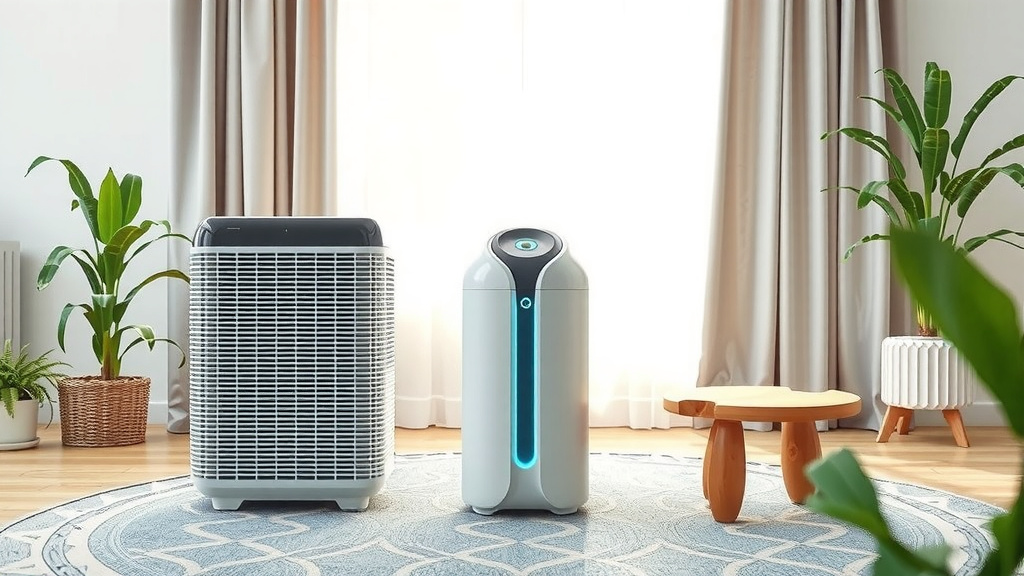
Purifier vs. Humidifier vs. Diffuser: A Quick Comparison
Let’s put it all together in a simple table. This can help you quickly see the core differences and decide which device might fit your needs best.
| Feature | Air Purifier | Humidifier | Diffuser |
|---|---|---|---|
| Primary Function | Removes pollutants and allergens from the air. | Adds moisture to dry air. | Disperses essential oil scents into the air. |
| Main Benefit | Cleaner air, reduced allergy symptoms. | Relief from dry air symptoms, better sleep. | Pleasant aroma, potential aromatherapy benefits. |
| Key Components | Filters (HEPA, carbon), fan. | Water tank, mist output mechanism. | Water tank, oil receptacle, mist output. |
| Best For | Allergies, asthma, pet owners, pollution concerns. | Dry climates, winter months, dry skin/sinuses. | Creating ambiance, natural scent preferences. |
Do You Need More Than One Device?
It’s quite possible! Many people find that their home can benefit from a combination of these devices. For example, if you have allergies and live in a dry climate, you might get a lot of relief from both an air purifier and a humidifier.
We’ve found that the best approach is to identify your primary air quality concern. Are you battling dust bunnies and pollen? An air purifier is likely your first stop. Does the air feel like it’s zapping the moisture from your skin every winter? A humidifier is your friend. Or do you just love the smell of lavender filling your living room? A diffuser will do the trick.
Making the Right Choice for Your Home
To help you decide, ask yourself a few questions:
- What are the main air quality issues in my home?
- Are there specific health concerns (allergies, asthma, dry skin) I need to address?
- What kind of atmosphere do I want to create?
- What is my budget for home air improvement?
By answering these, you can pinpoint which device, or perhaps which combination, will make your home a more comfortable and healthier place to be. Don’t feel pressured to get all three at once; start with what addresses your biggest need!
Conclusion
You now know that air purifiers, humidifiers, and diffusers each play a unique role in your home’s atmosphere. A purifier cleans your air by removing particles, a humidifier adds essential moisture, and a diffuser disperses pleasant scents. It’s not a one-size-fits-all situation; your home’s specific needs will guide your choice. Think about your biggest air quality concern—allergies, dry sinuses, or just wanting a nicer smell. This will help you select the right device, or perhaps a combination, to create a more comfortable and healthier living space for you and your family.
Frequently Asked Questions
Can I use an air purifier and a humidifier together?
Yes, you absolutely can use an air purifier and a humidifier at the same time. Many people find this combination beneficial, especially if they suffer from allergies and also live in a dry climate. They address different issues, so using them together can enhance your overall air quality and comfort.
Will a diffuser help with dry air?
No, a diffuser is not designed to add moisture to the air. Its primary function is to disperse essential oils for fragrance and aromatherapy. If you have dry air problems, a humidifier is the device you’ll need to add moisture.
How often should I clean my air purifier’s filter?
Filter cleaning and replacement schedules vary by model and usage. Always check your air purifier’s manual for specific instructions. Generally, you’ll want to clean washable pre-filters regularly and replace HEPA or carbon filters every 6-12 months to ensure optimal performance.
Can I put essential oils in a humidifier?
It’s generally not recommended to put essential oils directly into most humidifiers. The oils can degrade the plastic components of the humidifier and may clog the misting mechanism. If you want to use essential oils, a dedicated diffuser is the safest and most effective option.
What’s the difference between cool mist and warm mist humidifiers?
Cool mist humidifiers release moisture as a cool vapor, using a fan or ultrasonic technology, making them safer for homes with children. Warm mist humidifiers boil water to create steam, which can help kill germs in the water but uses more energy. Both effectively add moisture to the air.