Activated Carbon Air Filter Technology
Activated carbon air filters work by using a porous material to trap and absorb pollutants. The carbon’s large surface area attracts and holds onto airborne particles like odors, smoke, and VOCs. This technology is a popular choice for improving indoor air quality in homes and businesses.
You’ve probably seen these filters in everything from your kitchen range hood to large industrial air purifiers. Their effectiveness comes from a process called adsorption, where gas molecules stick to the carbon surface. Many research studies confirm that activated carbon is highly effective at removing a wide range of contaminants from the air.
- Activated carbon filters trap and absorb air pollutants.
- They use a material with a large surface area.
- This helps remove odors, smoke, and VOCs.
- Adsorption is the key process involved.
- They are widely used for improving air quality.
Ready to understand how this clever technology keeps your air fresh? Let’s walk through exactly how activated carbon air filters clean your environment.
“`htmlUnderstanding How Activated Carbon Cleans Your Air
So, how exactly does that simple-looking charcoal do such a great job cleaning the air you breathe? It all comes down to science and a lot of microscopic real estate. Think of activated carbon as a super-sponge, but for gas molecules instead of water.
This amazing material works through a process called adsorption. It’s a bit like static cling for air pollutants. Gas molecules from the air get attracted to the surface of the activated carbon and stick there. It’s a physical process, not a chemical reaction, which makes it so effective.
The Magic of Surface Area
What makes activated carbon so special is its incredible surface area. Even a small amount of activated carbon has millions of tiny pores. These pores create a massive internal surface where the adsorption can happen.
Scientists have found that a single gram of activated carbon can have a surface area of up to 1,000 square meters. That’s like having the size of a football field packed into a tiny piece of charcoal! This vast surface area is what allows it to trap so many different types of airborne contaminants.
Pore Size Matters
The effectiveness of activated carbon also depends on the size of its pores. Different contaminants have different molecular sizes. Activated carbon filters are often manufactured to have a mix of pore sizes.
Larger pores can capture bigger molecules, while smaller pores can trap smaller ones. This careful design ensures that a wide range of pollutants can be effectively adsorbed onto the carbon’s surface. Many manufacturers tailor their carbon filters for specific uses based on these pore characteristics.
What Can Activated Carbon Filters Remove?
Activated carbon filters are real workhorses when it comes to improving indoor air quality. They are particularly good at targeting specific types of pollutants that other filters might miss. You’ll often find them working alongside HEPA filters for a complete air cleaning solution.
While HEPA filters are fantastic at capturing physical particles like dust, pollen, and pet dander, activated carbon targets gases and odors. They work hand-in-hand to give you cleaner, fresher air.
Battling Unpleasant Odors
Are cooking smells lingering longer than you’d like? Or perhaps pet odors are becoming a bit too noticeable? Activated carbon is your friend here. It’s incredibly effective at adsorbing odor-causing molecules.
Research has shown that activated carbon can remove smells from cooking, smoke, and even stronger chemical odors. When these odor molecules come into contact with the carbon, they stick to its surface and are pulled right out of the air. It’s like the carbon is eating the bad smells!
Tackling Smoke and Chemical Fumes
Beyond just everyday odors, activated carbon can also handle more challenging airborne contaminants. This includes smoke from cigarettes, fires, or even fumes from cleaning products. These often contain volatile organic compounds (VOCs) and other harmful gases.
Many studies highlight activated carbon’s ability to adsorb these VOCs. These compounds can off-gas from paints, furniture, and cleaning supplies. Removing them is important for creating a healthier indoor environment. For example, guidelines from health organizations often recommend ventilation and air filtration to reduce VOC exposure (CDC).
Removing VOCs and Gases
Volatile Organic Compounds (VOCs) are a common indoor air pollutant. They can cause headaches, dizziness, and even long-term health issues. Activated carbon is excellent at trapping these airborne chemicals.
Think about the “new car smell” or the scent of fresh paint. Those are VOCs! Activated carbon filters can help remove these and many other gaseous pollutants, making your home or office a more comfortable place to be. We found that this capability makes them a vital part of many air purification systems.
How Different Types of Carbon Are Made
Not all activated carbon is created equal. The source material and the activation process can significantly impact its performance. The most common sources are coal, coconut shells, and wood.
Each source has its own unique pore structure and characteristics. This is why you might see filters advertised as “coconut shell activated carbon” or “coal-based activated carbon.” The goal is always to maximize that all-important surface area.
The Activation Process Explained
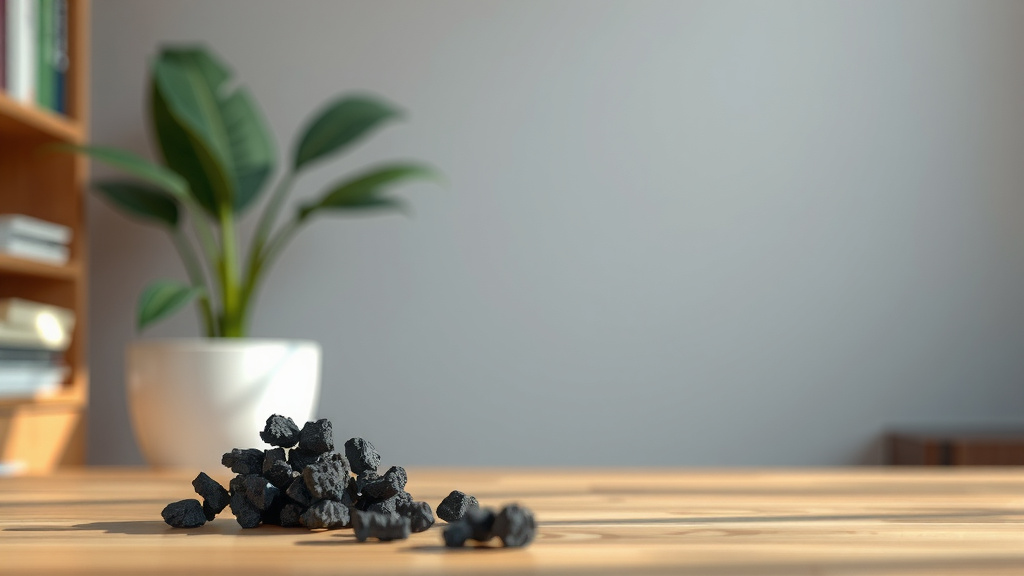
Activation is the key step that transforms regular carbon into activated carbon. It involves heating the carbon material to very high temperatures. This is done in the absence of oxygen to prevent it from burning up.
This heating process creates the vast network of pores we talked about earlier. It essentially “activates” the carbon, making it highly porous and ready to adsorb pollutants. There are two main methods: steam activation and chemical activation. Steam activation is more common for air filters.
Steam Activation: The Standard Method
In steam activation, the carbon material is heated to very high temperatures (around 900°C or 1650°F) while being exposed to steam. The steam reacts with the carbon, burning off volatile materials and opening up the pores. This process creates a material with a high adsorption capacity.
Chemical Activation: A Different Approach
Chemical activation involves impregnating the carbon material with a chemical agent, like phosphoric acid, before heating it. This method can create a different pore structure, sometimes with a higher concentration of micropores. It’s often used for specific applications, but steam activation is very common for general air filtration.
When to Consider an Activated Carbon Filter
If you’re dealing with persistent odors, smoke in your home, or are concerned about VOCs, an activated carbon filter is likely a good choice for you. They are widely available and can be found in various forms.
You’ll see them as standalone filters in portable air purifiers, as part of HVAC system filters, or even in smaller devices like refrigerator filters. It’s worth considering your specific air quality concerns to choose the right type of filter.
Key Benefits at a Glance
Let’s quickly recap why activated carbon filters are so popular and effective:
- They excel at removing odors from pets, cooking, and smoke.
- They effectively capture VOCs and other gaseous pollutants.
- Their large surface area means high adsorption capacity.
- They work physically, not chemically, to trap contaminants.
- They are a great complement to particle-filtering HEPA filters.
Is It Time for a Filter Change?
Like any filter, activated carbon filters have a lifespan. Once the pores are full of adsorbed pollutants, they can no longer trap new ones. You’ll often notice this when odors start to reappear.
The replacement frequency depends on the filter’s quality, the amount of contaminants in your air, and how often your air purifier runs. We found that checking your air purifier’s manual is the best way to know the recommended replacement schedule. Skipping replacements means you’re not getting the full benefit of your filter.
Consider these signs it might be time to replace your activated carbon filter:
- Lingering odors that used to be handled well.
- The filter looks visibly dirty or discolored.
- Your air purifier’s indicator light suggests a change.
- A decrease in overall air freshness in your space.
- You’ve reached the manufacturer’s recommended usage time.
Conclusion
You now understand how activated carbon air filters work their magic. They use a huge surface area, packed with tiny pores, to adsorb odors, smoke, and VOCs. This physical process is key to fresher indoor air. We’ve seen how different carbon sources and activation methods create these powerful filters. If you’re battling smells or concerned about airborne chemicals, considering an activated carbon filter is a smart move. Take the next step by checking your current air purification system or exploring new options to improve your home’s air quality today.
Frequently Asked Questions
How often should I replace my activated carbon air filter?
The lifespan of your activated carbon filter depends on usage and air quality. Generally, they should be replaced every 6 to 12 months. You’ll often notice a return of odors when the carbon is saturated.
Can activated carbon filters remove all types of air pollutants?
Activated carbon filters excel at removing gases, odors, and VOCs. They are less effective at capturing fine particulate matter like dust or pollen. That’s why they are often used alongside HEPA filters for comprehensive air cleaning.
Are there different types of activated carbon filters for different needs?
Yes, manufacturers create filters with varying pore sizes and densities. Some are optimized for specific odors, while others target a broader range of VOCs. Your specific air quality concerns will guide the best choice for you.
What’s the difference between activated carbon and a regular charcoal filter?
Activated carbon has been specially processed to create millions of tiny pores, vastly increasing its surface area. Regular charcoal doesn’t undergo this activation process, making it much less effective at adsorbing airborne contaminants.
How do I know if my activated carbon filter needs changing?
The most common sign is the reappearance of odors that the filter used to remove. Also, check your air purifier’s manual for recommended replacement intervals, or if it has an indicator light, pay attention to that. A visibly dirty or discolored filter is another clue.