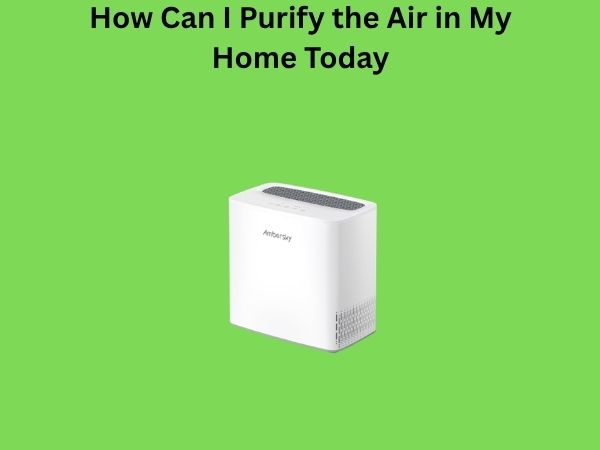
Breath Easy: How Can I Purify the Air in My Home Today?
Have you ever stopped to think about what you’re actually breathing inside your home? Most of us spend around 90% of our time indoors, yet we rarely consider the quality of the air surrounding us. The truth is, indoor air can be up to five times more polluted than outdoor air, filled with dust, pet dander, mold spores, and chemical compounds that we can’t even see. If you’ve been wondering how to purify the air in your home, you’re asking exactly the right question. Let me walk you through everything you need to know to transform your living space into a healthier breathing environment.
Understanding Indoor Air Quality and Why It Matters
Before we dive into solutions, it’s important to understand why indoor air quality has become such a pressing concern. Think of your home as a closed ecosystem. Unlike outdoor environments that benefit from natural air circulation and wind, your home is essentially sealed off. Heating systems, air conditioning, and insulation keep pollutants trapped inside. Over time, these contaminants accumulate and can lead to respiratory issues, allergies, and general discomfort.
Indoor air pollutants come from various sources. Cooking releases particulate matter and volatile organic compounds. Cleaning products emit harsh chemicals. Your furniture, carpeting, and building materials off-gas formaldehyde and other substances. Even everyday activities like burning candles or using air fresheners introduce pollutants. The solution isn’t to panic, but rather to take informed action.
The Most Effective Air Purification Methods
HEPA Filters: The Gold Standard of Air Purification
When you’re exploring how to purify the air in your home, HEPA filters deserve top consideration. HEPA stands for High-Efficiency Particulate Air, and these filters can capture 99.97% of particles as small as 0.3 microns. That means they’re catching dust, pollen, pet hair, and even some bacteria and viruses. It’s like having a microscopic bouncer at the door of your air, stopping unwanted guests from entering your breathing space.
The beauty of HEPA filtration is its proven effectiveness. Unlike some air purification methods that rely on unproven technology, HEPA filters have decades of scientific validation. However, they do require regular replacement, typically every 6 to 12 months depending on usage and air quality.
Activated Charcoal Filters: Trapping Odors and Chemicals
While HEPA filters excel at capturing particles, they don’t do much for odors or chemical gases. This is where activated charcoal comes in. This porous material works through a process called adsorption, where molecules stick to the surface of the charcoal. It’s particularly effective at removing cooking odors, pet smells, smoke, and volatile organic compounds from paints and furniture.
Many modern air purifiers combine both HEPA and activated charcoal filters for comprehensive purification. Think of it as having two security checkpoints rather than one—particles get caught by the HEPA filter, while gases and odors get trapped by the charcoal.
Ionizers and Their Role in Air Purification
You might have heard about ionizers and wondered if they actually work. Ionizers release negatively charged ions into the air, which attach to positively charged particles like dust and pollen, causing them to become heavier and fall to the ground. Some people swear by them, while others question their effectiveness.
The reality is more nuanced. Ionizers can help reduce airborne particles, but they don’t remove them from your home—they just make them settle on surfaces. This means you’ll still need to dust and vacuum regularly. Additionally, some ionizers produce small amounts of ozone, which can be harmful to your respiratory system. If you choose an ionizer, look for one that explicitly states it’s ozone-free.
Choosing the Right Air Purifier for Your Home
Assessing Your Space and Needs
Not all air purifiers are created equal, and what works in a small bedroom won’t work in a large living room. Before making a purchase, consider the square footage of your space. Most air purifiers come with a rated coverage area. If you buy a unit designed for 300 square feet but your room is 600 square feet, you’re not getting optimal purification.
You should also think about your specific air quality concerns. Do you have pets? Are there smokers in your household? Do you or your family members suffer from allergies? Your answers will help determine whether you need a simple HEPA filter or a more comprehensive system with multiple filtration stages.
Understanding CADR Ratings
When comparing air purifiers, you’ll often see something called a CADR rating. CADR stands for Clean Air Delivery Rate, and it measures how quickly an air purifier can filter the air in a room. The higher the CADR number, the faster the purification. Look for a CADR rating that matches your room size and occupancy to ensure you’re getting effective purification.
Natural and Non-Electric Methods to Improve Air Quality
The Power of Houseplants in Air Purification
Here’s something wonderful: you can improve your air quality simply by adding plants to your home. Certain houseplants are exceptional at removing toxins from the air. Spider plants, snake plants, and peace lilies are particularly effective at filtering formaldehyde, benzene, and trichloroethylene. While plants won’t solve all your air quality problems, they’re a beautiful and natural complement to mechanical solutions.
Beyond purification, plants offer psychological benefits too. They improve mood, reduce stress, and add life to your living space. It’s a win-win situation where you’re enhancing both air quality and your home’s aesthetics.
Natural Ventilation: Don’t Underestimate Fresh Air
Sometimes the simplest solution is the best one. Opening your windows regularly allows stale indoor air to escape and fresh outdoor air to circulate. While this doesn’t work during extreme weather or high pollen seasons, it’s an excellent practice when conditions permit. Even 10 to 15 minutes of window opening can significantly freshen your indoor air.
The key is to create cross-ventilation by opening windows on opposite sides of your home. This creates natural airflow that pushes polluted air out without relying on electricity or filters.
Controlling Humidity Levels
Did you know that humidity levels directly impact air quality? High humidity promotes mold growth and dust mites, while low humidity can irritate your respiratory system. Ideally, you want to maintain humidity between 30% and 50%. If your home tends to be too humid, consider using a dehumidifier. If it’s too dry, a humidifier can help. This simple adjustment prevents the growth of mold and allergens while promoting healthier breathing.
Practical Steps You Can Take Today
Reducing Indoor Pollution Sources
One of the most effective ways to improve air quality is preventing pollution from entering your home in the first place. Here are concrete steps you can implement immediately:
- Switch to natural cleaning products made from vinegar, baking soda, and essential oils instead of harsh chemical cleaners
- Choose low-VOC paint and furniture to minimize off-gassing
- Avoid synthetic air fresheners and scented candles that release chemicals
- Don’t allow smoking inside your home, as cigarette smoke contains hundreds of harmful chemicals
- Reduce plastic storage containers, which can off-gas chemicals
- Choose natural fiber furnishings when possible
Regular Maintenance and Cleaning
Even the best air purifier can’t work efficiently if your home is full of dust and allergens. Regular cleaning is essential. Vacuum with a HEPA filter-equipped vacuum at least twice weekly. Dust surfaces with damp cloths to capture particles rather than spreading them around. Wash bedding regularly, and consider using allergen-proof mattress and pillow covers.
For your air purifier itself, follow the manufacturer’s maintenance schedule. Replace filters on time, and clean the exterior regularly. A poorly maintained purifier is like a clogged water filter—it’s working hard but not efficiently.
Advanced Air Purification Technologies
UV-C Light Purification
Some modern air purifiers incorporate UV-C light technology, which uses ultraviolet radiation to kill bacteria, viruses, and mold spores. This is particularly useful if you’re concerned about airborne pathogens. UV-C light doesn’t remove particles from the air, but it neutralizes biological contaminants, making it an excellent complement to HEPA filtration.
Photocatalytic Oxidation
This advanced technology uses a catalyst, usually titanium dioxide, activated by UV light to break down pollutants at a molecular level. It’s effective against volatile organic compounds and bacteria. However, it’s still considered a newer technology and is more commonly found in premium air purifiers.
Setting Up Your Home Air Purification System
Strategic Placement for Maximum Effectiveness
Where you place your air purifier matters significantly. Position it in high-traffic areas or rooms where you spend the most time. Bedroom placement is especially important since you spend about one-third of your life sleeping. Don’t place your purifier in corners where air circulation is poor. Instead, keep it in an open area with at least one foot of clearance around it for optimal airflow.
If you’re purifying your entire home, you might need multiple units rather than relying on one centralized system. This ensures every room gets adequate air circulation and purification.
Operating Your Air Purifier Efficiently
Running your air purifier continuously provides the best results, but you can save energy by using it strategically. Run it on high during peak pollution hours like cooking time or after cleaning. Switch to lower settings during less demanding times. Many modern purifiers have smart sensors that automatically adjust speed based on detected pollution levels, making this process hands-free.
The Cost of Air Purification
You might be wondering about the financial investment required to purify your air. Air purifiers range from budget-friendly options at $100 to high-end systems costing $500 or more. However, remember that replacing filters regularly is an ongoing cost. Quality HEPA filters typically cost $20 to $50 per replacement. Despite these expenses, investing in air quality is investing in your health. Consider it preventative medicine for your respiratory system.
Addressing Specific Air Quality Concerns
Dealing with Pet-Related Air Quality Issues
Pet owners face unique air quality challenges. Pet dander, fur, and odors can quickly accumulate. If you have pets, prioritize an air purifier with strong HEPA filtration and activated charcoal. Additionally, groom your pets regularly and vacuum frequently. Consider restricting pets to certain areas of your home to concentrate purification efforts.
Combating Allergen Pollution
If you or family members suffer from allergies, air purification becomes even more important. Pollen, dust mites, and mold spores trigger allergic reactions. A combination of HEPA filters, regular cleaning, humidity control, and strategically placed houseplants creates an environment where allergens are minimized, allowing you to breathe easier.
Monitoring Your Indoor Air Quality
To truly understand if your air purification efforts are working, consider investing in an air quality monitor. These devices measure particulate matter, CO2 levels, humidity, and temperature. Knowing your baseline air quality helps you choose appropriate solutions and track improvements over time. Many modern air purifiers include built-in sensors that display real-time air quality data.
Conclusion
Learning how to purify the air in your home is one of the most valuable investments you can make for your health and wellbeing. Whether you choose a mechanical air purifier with HEPA filtration, supplement with activated charcoal filters, introduce air-purifying plants, maintain optimal humidity levels, or implement a combination of these methods, you’re taking meaningful action toward a healthier living environment. The key is understanding your specific needs, choosing appropriate solutions, and maintaining them consistently. Your lungs will thank you, and you’ll notice the difference—cleaner air, fewer allergy symptoms, better sleep, and an overall improved quality of life. Start today by assessing your current air quality and choosing the purification method that best suits your home and lifestyle. Breath easy knowing you’re creating a safer, healthier space for you and your family.
Frequently Asked Questions
How often should I replace my air purifier filters?
Most HEPA filters should be replaced every 6 to 12 months, depending on your air quality and usage. If you have pets or live in a particularly dusty environment, you might need to replace them more frequently. Activated charcoal filters typically last 3 to 6 months. Always check your specific purifier’s manufacturer recommendations and monitor the filter’s appearance. Many modern purifiers have indicator lights that tell you when replacement is necessary. Replacing filters on schedule ensures your purifier operates at peak efficiency.
Can air purifiers completely eliminate all indoor pollutants?
While air purifiers are highly effective, they cannot completely eliminate all indoor pollutants on their own. They work best as part of a comprehensive approach that includes reducing pollution sources, maintaining good ventilation, regular cleaning, and controlling humidity. Think of air purification as one tool in your toolkit rather than a complete solution. The most effective strategy combines mechanical purification with environmental control and lifestyle adjustments.
Is it safe to run an air purifier continuously?
Yes, it’s generally safe to run air purifiers continuously. They’re designed for extended operation and consume relatively modest amounts of electricity. Continuous operation ensures consistent air quality throughout the day and night. However, if you’re concerned about energy costs, you can use lower settings during times when air quality is better or use smart sensors that automatically adjust based on detected pollution levels.
Do air purifiers help with COVID-19 or other airborne viruses?
Air purifiers with HEPA filters can capture virus-carrying particles, though the effectiveness depends on the specific virus and filter type. For maximum protection against airborne pathogens, combine HEPA filtration with UV-C technology. However, air purifiers work best alongside other preventive measures like ventilation, regular cleaning, and maintaining distance from infected individuals. They’re a helpful tool in your overall health protection strategy but shouldn’t be your only defense.
What’s the difference between air purifiers and air cleaners?
These terms are often used interchangeably, but there’s a subtle difference. Air purifiers actively clean the air by pulling it through filters and returning clean air to your room. Air cleaners may refer to devices that passive clean air through natural processes or those that emit ions or other substances. Air purifiers are generally more effective and provide measurable purification. When shopping, look for devices explicitly labeled as air purifiers with HEPA certification for guaranteed performance.
“`