Allergen Remover vs Air Purifier: Difference
An air purifier is a device designed to remove airborne particles, while an allergen remover is often a feature or function of a larger system, like an HVAC filter or a specific mode on an air purifier, focused on trapping allergens. You might be wondering if they are the same thing. While related, they aren’t interchangeable terms. Think of it this way: an air purifier is the whole machine, and an allergen remover is a specific job it can do, or a component that helps it do that job well.
The main goal of both is to improve your indoor air quality. But an air purifier is built for a broader range of pollutants. An allergen remover specifically targets things like pollen, pet dander, and dust mites. Many experts agree that understanding this difference helps you choose the right solution for your home’s specific needs.
- Air purifiers clean the air of many pollutants.
- Allergen removers focus on specific allergy triggers.
- An allergen remover can be a part of an air purifier.
- Choosing the right device depends on your air quality concerns.
We’ve gathered the key differences and how each works to help you breathe easier. Let’s dive into what makes them distinct and how they can benefit your home environment.
Understanding the Difference: Air Purifiers and Allergen Removers
So, what’s the real deal between an air purifier and an allergen remover? It’s a question many of us ask when trying to make our homes healthier places to live. We found that they aren’t quite the same, but they work together to clean your indoor air.
What Exactly is an Air Purifier?
Think of an air purifier as a powerful cleaning machine for the air in your home. Its main job is to take in the air, pass it through a filtering system, and then release cleaner air back into the room. They are designed to tackle a broad spectrum of airborne particles.
How Air Purifiers Work
Most air purifiers use a fan to draw in air. This air then goes through one or more filters. These filters capture tiny particles like dust, smoke, and even some microscopic pollutants. The cleaner air is then pushed back out. We found that the type of filter is key to what an air purifier can remove.
Common Types of Filters in Air Purifiers
- HEPA Filters: These are the gold standard for capturing very small particles. HEPA stands for High-Efficiency Particulate Air. They can trap at least 99.97% of airborne particles 0.3 microns in size. This includes things like pollen, pet dander, and mold spores.
- Activated Carbon Filters: These filters are great for absorbing odors and gases. They don’t capture particles as well as HEPA filters, but they can get rid of smells from cooking, pets, or smoke.
- Pre-filters: These catch larger particles like hair and dust bunnies. This helps protect the main HEPA filter and makes it last longer.
What is an Allergen Remover?
An allergen remover isn’t usually a standalone device. Instead, it’s a specific function or a component that focuses on trapping allergens. Allergens are things that can cause allergic reactions in sensitive people. These typically include pollen, dust mite debris, pet dander, and mold spores.
Where You Find Allergen Removers
You’ll often find allergen-removing capabilities in other home systems. This could be a high-quality filter in your HVAC system. It might also be a specific setting or mode on a more advanced air purifier. Some humidifiers or dehumidifiers also have features to help reduce allergens. We found that their primary goal is to reduce common allergy triggers.
Focusing on Allergy Triggers
The main aim of an allergen remover is to catch those microscopic bits that cause sneezing, itching, and watery eyes. While an air purifier cleans generally, an allergen remover is like a specialist. It’s honed in on the specific culprits that make allergy sufferers miserable. Experts at the Cleveland Clinic often recommend focusing on these specific triggers for allergy relief.
Key Differences at a Glance
Let’s break down the main distinctions. You might have noticed some overlap, which is understandable. But understanding these core differences helps you make the right choice for your home and health.
Scope of Cleaning
An air purifier has a broader mission. It’s designed to clean the air of a wide variety of pollutants. This includes dust, smoke, volatile organic compounds (VOCs), and more. An allergen remover, on the other hand, has a more narrow focus. Its main purpose is to capture those specific particles that trigger allergies.
Technology and Design
Air purifiers are complete units, built from the ground up for air filtration. They often feature multiple stages of filtration. An allergen remover is more of a feature or a type of filter. For example, a high-MERV (Minimum Efficiency Reporting Value) filter in your furnace acts as an allergen remover for your whole house. Similarly, a HEPA filter within an air purifier is its allergen-removing component. We found that the technology behind capturing allergens is often HEPA filtration.
Placement and Coverage
You typically place an air purifier in a specific room you want to clean. Its effectiveness is usually measured by how well it cleans the air in that single room. Allergen removal, if it’s part of an HVAC system, can potentially clean the air throughout your entire house. This is a big difference if you’re looking for whole-home solutions. However, portable allergen removers, like specific filter attachments, would have room-specific coverage.
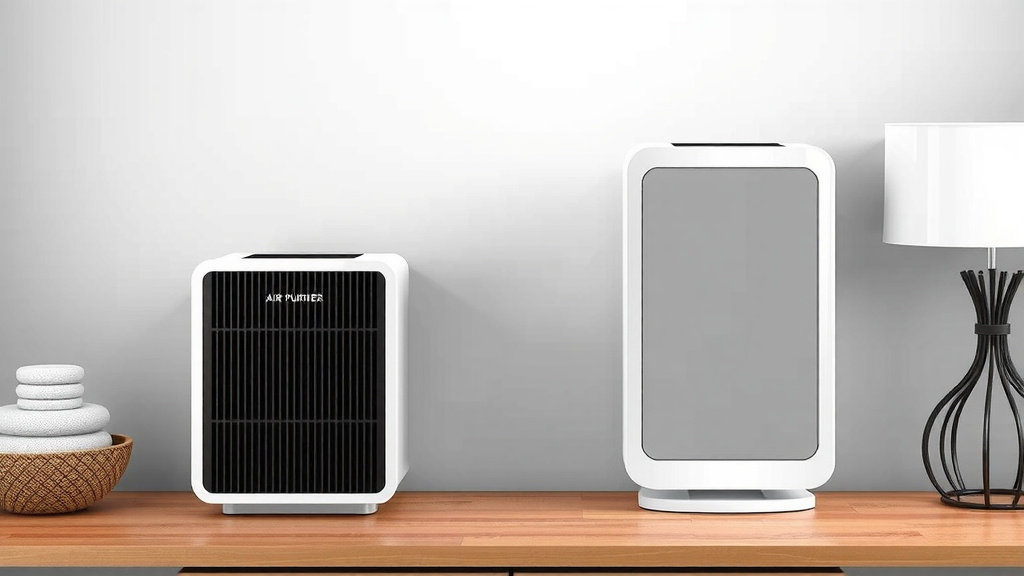
To help visualize this, consider this table:
| Feature | Air Purifier | Allergen Remover (as a function/component) |
|---|---|---|
| Primary Goal | General air cleaning, wide range of pollutants | Targeting specific allergens (pollen, dander, etc.) |
| Form Factor | Standalone electronic device | Part of a larger system (HVAC filter, air purifier feature) or a specific type of filter |
| Scope | Usually room-specific coverage | Can be whole-house (if HVAC) or room-specific (if in an air purifier) |
| Key Technology | HEPA, Carbon, other filters; ionizers, UV-C (varied) | Primarily high-grade filtration (HEPA, high-MERV) |
Which One Do You Need?
Deciding between an air purifier and a system with allergen-removing capabilities depends on your needs. Do you suffer from allergies? Are you concerned about general air quality? We found that your specific concerns will guide your choice.
For Allergy Sufferers
If you or someone in your household experiences seasonal allergies or has sensitivities to pet dander or dust mites, an allergen remover is key. A high-quality air purifier with a true HEPA filter is highly recommended. Some people also benefit from integrating allergen-reducing filters into their home’s HVAC system. Guidelines from organizations like the Asthma and Allergy Foundation of America often point to HEPA filters as being very effective for allergy relief.
For General Air Quality Concerns
If your main concern is removing odors, smoke, or other general pollutants, a good air purifier with both HEPA and activated carbon filters would be beneficial. It tackles a wider range of issues. You might not need a specialized allergen remover if allergies aren’t a primary problem for you. However, many general air purifiers will still capture allergens as a bonus!
When Both Might Be the Answer
It’s not always an either/or situation. Many advanced air purifiers are designed to be excellent allergen removers while also cleaning the air of other pollutants. If you want the best of both worlds, look for an air purifier that features a true HEPA filter and is rated for the size of your room. For whole-home coverage, consider upgrading your HVAC filter to a high-MERV rating, which acts as your central allergen remover.
Here’s a quick checklist to help you decide:
- Do you have pets?
- Are you sensitive to pollen or dust?
- Do you have asthma or other respiratory issues?
- Are there strong odors in your home?
- Do you live in an area with poor outdoor air quality?
- Is your goal room-specific or whole-home improvement?
Conclusion
You’ve learned that an air purifier is a device designed for general air cleaning, while an allergen remover is often a focused function or component. Think of an air purifier as your home’s overall air cleaner. An allergen remover, like a HEPA filter, is the specialized part that targets specific irritants like pollen and dander. They can work together for the best results. For those with allergies, prioritizing HEPA filtration in an air purifier or HVAC system is key. If general air quality is your goal, an air purifier with multiple filter types may be best. Make an informed choice based on your unique home environment and health needs to breathe easier.
Frequently Asked Questions
Will a good air purifier automatically remove allergens?
Many good air purifiers will capture allergens as a bonus, especially those with true HEPA filters. These filters are highly effective at trapping common allergy triggers. However, the primary focus of a general air purifier is broader pollutant removal.
Can I just use an allergen-removing HVAC filter instead of an air purifier?
An allergen-removing HVAC filter can improve your whole-home air quality and reduce allergens. It’s a great option for widespread relief. However, it might not be as effective for immediate, room-specific purification as a dedicated air purifier.
Are air purifiers with ionizers also good allergen removers?
Some air purifiers use ionizers to help remove particles, including allergens. While ionizers can be effective, research suggests that HEPA filters are generally considered the most reliable for capturing allergens. Look for purifiers that combine HEPA filtration with other technologies.
How often do I need to replace filters in my allergen remover or air purifier?
Filter replacement schedules vary by manufacturer and usage. It’s generally recommended to replace HEPA filters every 6-12 months and activated carbon filters more frequently, often every 3-6 months. Always check your device’s manual for specific guidance.
Is a portable allergen remover the same as a small air purifier?
A portable allergen remover is essentially a small air purifier designed for a specific room. It contains filters, often HEPA, to capture airborne allergens within its range. Its effectiveness is limited to the area it’s placed in.