Air Purifier: What It Is & Why You Need One
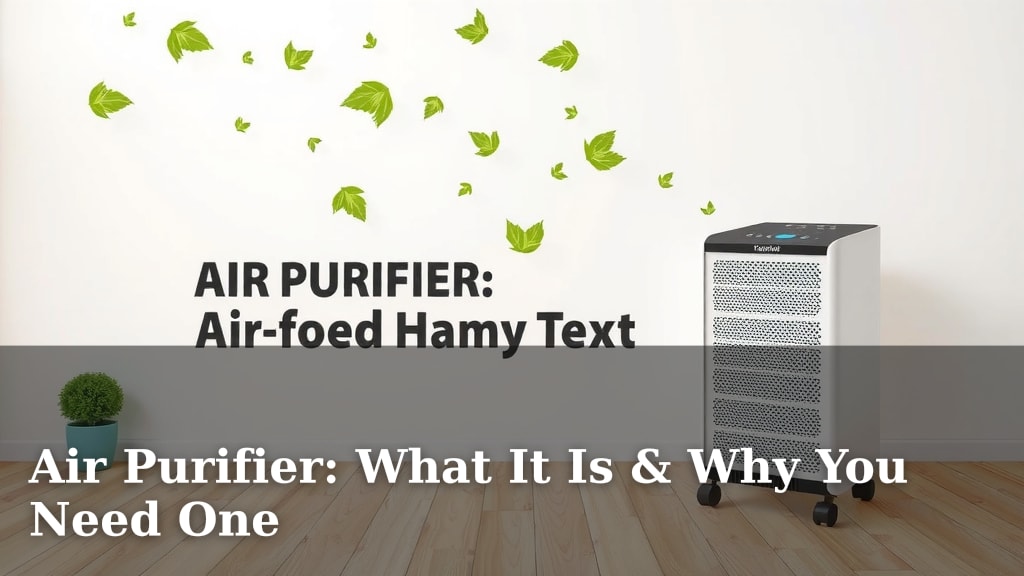
An air purifier is a device that removes contaminants from the air. It works by filtering out pollutants like dust, pollen, and smoke. This can lead to cleaner air in your home.
You might be wondering if you really need one. Many of us spend a lot of time indoors. The air inside can sometimes be more polluted than the air outside. Air purifiers are designed to help with this common problem.
- An air purifier cleans the air in your home.
- It removes particles like dust, pollen, and pet dander.
- This can help people with allergies and asthma.
- It can also reduce odors.
- It makes your indoor air feel fresher.
Ready to breathe a little easier? Let’s break down what an air purifier is and why you might want to bring one home.
“`htmlUnderstanding Your Home’s Air Quality
You might not think about it much, but the air you breathe indoors matters. We spend a lot of time inside our homes. This can be up to 90% of our day, according to the Environmental Protection Agency (EPA). Sometimes, the air inside can get a bit stale or even more polluted than the air outside. Ever notice a lingering smell after cooking? Or maybe your allergies act up more at home?
These are signs that your indoor air might need a little help. Dust motes dancing in sunbeams? That’s just one of the many tiny particles floating around. We’ll look at what causes this and how a simple device can make a big difference.
What Exactly Is an Air Purifier?
An air purifier is essentially a filter for your air. Think of it like a vacuum cleaner for your lungs, but it cleans the air itself. It’s a machine designed to remove various airborne contaminants. These can include dust, pollen, pet dander, smoke particles, and even tiny mold spores. It pulls air in, passes it through a filtering system, and then releases the cleaner air back into your room.
They come in different sizes and styles. Some are small enough for a desk, while others are designed to handle entire rooms or even multiple rooms. The core function remains the same: to improve your indoor air quality.
How Do Air Purifiers Work?
Most air purifiers use a fan to draw air into the unit. Inside, there are one or more filters. These filters trap the pollutants. The type of filters used is important and determines what the purifier can remove.
Common Filter Types Explained
You’ll often hear about different filter technologies. Here’s a quick rundown:
- HEPA Filters: These are the gold standard for particle removal. A True HEPA filter is designed to capture at least 99.97% of airborne particles 0.3 microns in size. This includes most allergens like pollen, dust mites, and pet dander.
- Activated Carbon Filters: These are great for odors and gases. They work like a sponge, absorbing smells from cooking, smoke, and pet accidents. They also help with certain volatile organic compounds (VOCs) found in cleaning products or new furniture.
- Pre-filters: These are usually the first line of defense. They catch larger particles like hair and lint, helping to extend the life of the more expensive filters.
- UV-C Light: Some purifiers include ultraviolet light. This can help kill bacteria and viruses that pass through the filter. However, it’s important to ensure the UV-C light is properly shielded for safety.
Are Air Purifiers Really Necessary?
This is a question many people ask. For some, the answer is a clear yes. If you or someone in your household suffers from allergies, asthma, or other respiratory issues, an air purifier can be a game-changer. Research from organizations like the American College of Allergy, Asthma & Immunology suggests that reducing allergen exposure is key to managing symptoms. An air purifier actively reduces these airborne triggers.
Even if you don’t have specific health conditions, cleaner air is generally a good thing. It can lead to better sleep, reduced headaches, and a generally more comfortable living environment. Think of it as a proactive step for your family’s well-being.
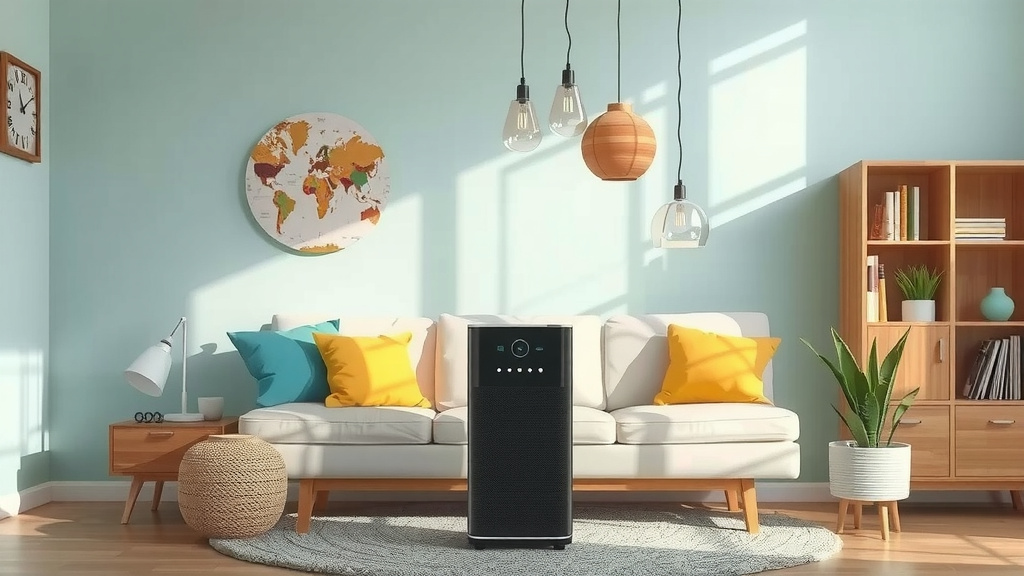
Why You Should Consider an Air Purifier for Your Home
Let’s talk about the specific benefits. Beyond just filtering dust, air purifiers tackle a range of common indoor air problems. They contribute to a healthier and more pleasant living space. What exactly can they do for you?
1. Allergy and Asthma Relief
This is often the primary reason people buy an air purifier. Allergens like pollen, mold spores, dust mites, and pet dander are microscopic troublemakers. They float around in your home and can trigger sneezing, itchy eyes, and breathing difficulties. An air purifier with a HEPA filter can capture these tiny particles before they bother you. Many allergy sufferers report significant improvement in their symptoms after using an air purifier consistently.
2. Odor Elimination
Lingering smells from cooking, pets, smoke, or even musty areas can be embarrassing and unpleasant. Activated carbon filters are your best friend here. They absorb odor molecules, effectively neutralizing smells instead of just masking them. Imagine cooking fish and not having the smell linger for days – that’s the power of a good carbon filter.
3. Removing Smoke and Particulates
Whether it’s from wildfire smoke drifting in from outside or smoke from cooking accidents, airborne particles from smoke are harmful. They can irritate your lungs and airways. Air purifiers, especially those with HEPA filters, are very effective at removing these fine smoke particles. This can make a significant difference during high-risk times, like wildfire season.
4. Reducing VOCs and Chemical Pollutants
Many household items release volatile organic compounds (VOCs). These can come from paints, cleaning supplies, new furniture, and air fresheners. VOCs can cause headaches, nausea, and long-term health concerns. While activated carbon filters help with some VOCs, some purifiers also employ other technologies to tackle these invisible threats. The EPA notes that reducing exposure to VOCs is important for indoor air quality.
5. Creating a Fresher, Healthier Environment
Ultimately, an air purifier contributes to a fresher living space. By removing a wide range of pollutants, it can make your home feel cleaner and more invigorating. Cleaner air can lead to better sleep, increased energy levels, and a general sense of well-being. It’s about creating a sanctuary free from common irritants.
Choosing the Right Air Purifier for Your Needs
With so many options, picking the right one can feel overwhelming. Consider the size of the room you want to purify. Most manufacturers provide a “room size” rating. Also, think about your primary concern: allergies, odors, or general air freshness. A combination of HEPA and activated carbon filters is usually a safe bet for most households.
Don’t forget about maintenance. Filters need to be replaced regularly to keep the purifier working effectively. Check the manufacturer’s recommendations for filter life and replacement costs.
To help you get started, consider this quick checklist:
- Assess your primary air quality concerns (allergies, odors, etc.).
- Determine the size of the room(s) you need to cover.
- Look for True HEPA filters for particle removal.
- Consider activated carbon for odor and gas absorption.
- Factor in ongoing filter replacement costs.
- Read reviews to see what other users say about effectiveness.
Conclusion
Bringing an air purifier into your home is a smart move for a healthier living space. You’ve learned how these devices work to remove common indoor irritants like dust, pollen, and smoke. They can offer real relief for allergy and asthma sufferers and help neutralize unpleasant odors. By reducing airborne pollutants, you’re taking a positive step for your family’s comfort and well-being. Ready to breathe easier? Your next step is to consider your home’s specific needs and research a purifier that fits your space and concerns.
Frequently Asked Questions
How often should I replace air purifier filters?
Filter replacement frequency depends on the model and how often you use the purifier. Typically, manufacturers recommend replacing pre-filters every 1-3 months and HEPA or activated carbon filters every 6-12 months. Always check your purifier’s manual for the most accurate schedule. Consistent filter changes are key to maintaining effective air cleaning.
Can air purifiers actually help with pet odors?
Yes, air purifiers can be very effective at reducing pet odors. Purifiers equipped with activated carbon filters are specifically designed to absorb odor molecules. Combined with a HEPA filter to capture dander and hair, they can make a noticeable difference in homes with pets. It’s a great way to keep your living space smelling fresh.
Are air purifiers noisy?
The noise level of an air purifier can vary by model and fan speed. Many purifiers operate at a low hum on their lowest setting, which some people find soothing, like white noise. Higher settings will produce more sound. If noise is a concern, look for models with quiet operation modes or those designed for bedrooms.
Do I need an air purifier if I don’t have allergies or asthma?
Even if you don’t suffer from allergies or asthma, an air purifier can still benefit your home. Indoor air can contain pollutants from cooking, cleaning products, and outdoor sources that can affect anyone’s health and comfort. Cleaner air can contribute to better sleep and a generally more pleasant environment for everyone in your household.
What’s the difference between a HEPA filter and a washable filter?
A True HEPA filter is designed to capture at least 99.97% of airborne particles 0.3 microns in size, making it highly effective against allergens and fine dust. Washable filters, often pre-filters, are designed to catch larger particles like hair and are reusable after cleaning. For optimal air purification, a combination of a True HEPA filter and a washable pre-filter is often recommended.
“`