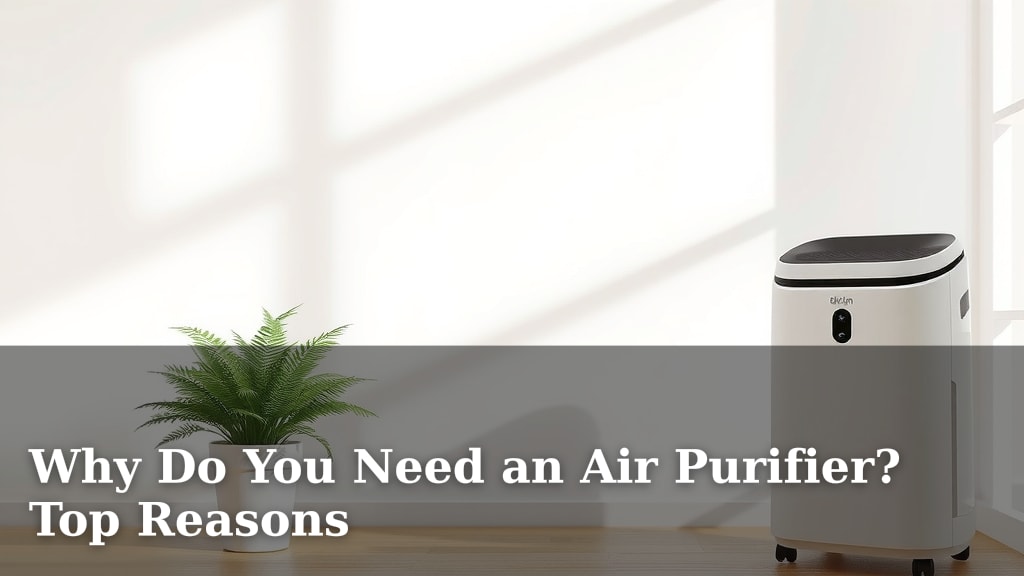
Why Do You Need an Air Purifier? Top Reasons
You need an air purifier because it can significantly improve your indoor air quality, helping to remove common pollutants like dust, pollen, pet dander, and smoke. This can lead to a healthier living environment and reduce allergy and asthma symptoms for many people. Air purifiers work by drawing in air and passing it through filters to trap tiny particles, giving you cleaner air to breathe at home.
Many people are concerned about the air they breathe indoors. Research shows that indoor air can sometimes be more polluted than outdoor air. An air purifier is a practical solution to help tackle these airborne irritants. They are especially helpful if you have pets, live in an area with high pollution, or suffer from allergies. You can breathe easier knowing your home is working to be a cleaner, fresher sanctuary.
- Removes common indoor allergens like dust and pollen.
- Helps reduce pet dander and odors.
- Can filter out smoke particles and other airborne irritants.
- Supports a healthier environment for allergy and asthma sufferers.
- Provides fresher, cleaner air for your home.
Let’s walk through the top reasons why adding an air purifier to your home might be a great decision for your well-being.
“`htmlUnderstanding Your Need for Cleaner Indoor Air
You might be wondering if an air purifier is truly necessary for your home. The truth is, the air inside your living space can often be much more polluted than you think. Research consistently shows that indoor air quality can be two to five times worse than outdoor air (Environmental Protection Agency). This is due to a buildup of pollutants that get trapped indoors.
Think about it: you spend a significant amount of time inside your home. During this time, you’re breathing in whatever is circulating in the air. Factors like cooking, cleaning products, furniture off-gassing, and even your own breathing can contribute to indoor air pollution. An air purifier can act as a helpful tool to combat these invisible airborne particles.
Key Benefits of Using an Air Purifier
Reducing Allergens and Irritants
If you or someone in your household suffers from allergies, an air purifier can be a real game-changer. Common allergens like dust mites, pollen that drifts in from outside, and pet dander are microscopic. They float around in your air, waiting to trigger sneezing, itchy eyes, and respiratory discomfort.
An air purifier with a HEPA filter is designed to capture these tiny particles. A True HEPA filter, for instance, is tested to remove at least 99.97% of airborne particles 0.3 microns in size (FDA). This means it can effectively trap many of the common culprits behind your allergy symptoms, providing a noticeable relief.
Helping Those with Asthma and Respiratory Issues
For individuals living with asthma or other respiratory conditions, clean air is not just a comfort; it’s a necessity. Certain airborne irritants can trigger asthma attacks or worsen breathing difficulties. These can include fine dust, mold spores, and even some volatile organic compounds (VOCs) released from household products.
By filtering out these triggers, an air purifier can contribute to a calmer respiratory environment. This can mean fewer flare-ups and an easier time breathing. Many health organizations suggest that improving indoor air quality is an important step for asthma management (Centers for Disease Control and Prevention). It’s about creating a safer, more breathable space for your lungs.
Eliminating Unpleasant Odors
Does your home sometimes smell less than fresh? Cooking smells, pet odors, smoke, or even mildew can linger in the air. While air fresheners might mask these smells temporarily, they don’t actually remove the source. Air purifiers, especially those with activated carbon filters, can actively neutralize odors.
Activated carbon works by adsorbing odor molecules from the air. Think of it like a sponge for smells. This means it can tackle persistent odors from pets, cooking, or even lingering smoke, leaving your home smelling genuinely cleaner and fresher. You’ll notice a difference in the air.
Trapping Smoke and Other Airborne Particles
Living near wildfire-prone areas or dealing with secondhand smoke can introduce serious pollutants into your home. Smoke particles are incredibly fine and can penetrate deep into your lungs. They carry harmful chemicals and can cause immediate irritation and long-term health concerns.
An air purifier equipped with a good filtration system can help capture these dangerous particles. HEPA filters are excellent at trapping fine particulate matter. Some units also include specialized filters for gases and odors, making them even more effective against smoke pollutants. It’s a way to gain some control over the air you breathe, especially during challenging times.
Removing VOCs and Chemical Pollutants
Many everyday items in your home can release Volatile Organic Compounds (VOCs). These are gases emitted from paints, cleaning supplies, furniture, carpets, and air fresheners. While some are harmless, others can cause headaches, nausea, and contribute to poor indoor air quality over time (National Institute of Environmental Health Sciences).
Air purifiers with activated carbon filters are particularly effective at capturing these chemical gases. They work to remove these airborne chemicals, helping to create a healthier living environment. This is an often-overlooked benefit that contributes to the overall cleanliness of your indoor air.
Choosing the Right Air Purifier for Your Needs
Not all air purifiers are created equal. When you’re looking for one, consider the size of the room it will be in and the specific concerns you have. For instance, a unit designed for a small bedroom might not be powerful enough for a large living area.
Many units will specify their coverage area, often measured in square feet. You’ll also want to look at the types of filters they use. A combination of a pre-filter, a True HEPA filter, and an activated carbon filter generally offers the most comprehensive air cleaning. Some models also feature UV-C light or ionizers, though it’s wise to research their effectiveness and potential byproducts.
When an Air Purifier is Especially Recommended
There are certain situations where an air purifier is particularly beneficial. If you own pets, you’ll likely deal with dander and odors. Homes in urban areas or near busy roads might benefit from filtering out traffic-related pollutants.
If you’ve recently done renovations or bought new furniture, VOCs could be a concern. And, of course, if you or your family members experience allergies or asthma, an air purifier can provide significant relief. It’s about creating a personal oasis of clean air, no matter your circumstances.
Checklist: Is an Air Purifier Right for You?
- Do you or someone in your household suffer from allergies?
- Do you own pets that shed dander or produce odors?
- Do you live in an area with poor outdoor air quality or wildfire smoke?
- Are you sensitive to cooking smells or other household odors?
- Do you use a lot of cleaning products or have new furniture/carpets?
- Do you have asthma or other respiratory sensitivities?
Conclusion
You’ve learned that cleaner indoor air is more than just a luxury; it’s essential for your health and comfort. From reducing allergy triggers and asthma symptoms to eliminating stubborn odors and filtering out harmful smoke and VOCs, an air purifier offers tangible benefits. It acts as a vital defense against the pollutants that settle in your home. Take the next step by assessing your home’s needs and exploring air purifier options that best fit your space and concerns. Your lungs will thank you for creating a fresher, healthier sanctuary.
Frequently Asked Questions
How quickly can I expect to feel a difference from an air purifier?
The speed at which you notice improvements can vary. Many people report feeling relief from allergy symptoms or noticing a reduction in odors within a few days to a week of consistent use. For more widespread air quality improvements, it might take a bit longer, depending on the size of your home and the intensity of the pollutants.
Do air purifiers use a lot of electricity?
Most modern air purifiers are designed to be energy-efficient. While they do consume electricity, the cost is typically comparable to running a small appliance like a fan. Look for Energy Star certified models, which are tested to meet strict energy efficiency guidelines set by the EPA.
How often do I need to replace the filters?
Filter replacement schedules depend on the make and model of your air purifier and how often you use it. Generally, HEPA filters need replacement every 6 to 12 months, while activated carbon filters might need changing more frequently, sometimes every 3 to 6 months, especially if you’re actively dealing with odors.
Can an air purifier help with dust that I can see?
Yes, air purifiers are very effective at capturing airborne dust particles before they settle on surfaces. While they won’t magically clean existing dust from your furniture, consistently running an air purifier can significantly reduce the amount of new dust that accumulates, making your regular cleaning routine more manageable.
Are there any health concerns with using air purifiers?
High-quality air purifiers that use HEPA and activated carbon filters are generally safe. Some units also use ionizers or UV-C light, which can sometimes produce small amounts of ozone. If you’re sensitive, it’s best to choose models that are certified ozone-free or have specific settings to minimize any potential output.