Air Purifier vs Snake Plant: Cleaner Air?
When you’re looking for cleaner air at home, air purifiers generally win over snake plants, even though both can help. Air purifiers are specifically designed to capture and remove pollutants, making them a much more effective solution for a wide range of air quality issues.
While snake plants are known for their air-purifying qualities and can remove a small number of toxins, their impact is quite limited compared to a good air filter. Think of it this way: a snake plant is like a tiny air freshener, but an air purifier is a dedicated cleaning system for your air.
TL;DR:
- Air purifiers are the most effective for cleaning indoor air.
- Snake plants offer minimal air purification benefits.
- Air purifiers filter out a wider range of pollutants.
- Choose an air purifier for a noticeably cleaner environment.
Let’s break down how each stacks up and which one might be the best choice for your home.
Air Purifiers vs. Live Plants: Which Cleans Your Air Better?
You’re probably wondering if that lovely snake plant in the corner is really doing much for your indoor air quality. It’s a common question! Many people think plants are the ultimate solution for a stuffy room. While plants do have some benefits, they fall far short of a dedicated air purifier when it comes to serious air cleaning.
We’ve found that air purifiers are engineered for this specific task. They use advanced technology to actively remove pollutants. Plants, on the other hand, are like a gentle whisper compared to an air purifier’s shout. Let’s look closer at how each performs.
How Air Purifiers Work to Clean Your Air
Air purifiers are built with one primary goal: to filter out the bad stuff in your air. They draw in air and pass it through a series of filters. These filters trap particles like dust, pollen, pet dander, and even smoke. Many also tackle odors and VOCs (volatile organic compounds).
The Power of HEPA Filters
Most good air purifiers use a High-Efficiency Particulate Air (HEPA) filter. Research shows HEPA filters can capture at least 99.97% of airborne particles as small as 0.3 microns. This is incredibly tiny!
- Think dust mites, mold spores, and bacteria.
- HEPA filters are a gold standard for air filtration.
- They make a noticeable difference in homes with allergies or asthma.
Beyond HEPA: Activated Carbon and More
Some purifiers go a step further. They include activated carbon filters. These are amazing at absorbing odors and gases. That means they can help with smells from cooking, pets, or even chemicals. Some advanced models even have UV-C light to kill germs.
Speed and Efficiency Matter
Air purifiers work quickly. They continuously circulate air, cleaning it room by room. You can often choose different fan speeds. A higher speed cleans the air faster. This active removal process is key to their effectiveness.
What About Snake Plants and Other Houseplants?
Snake plants, also known as Mother-in-Law’s Tongue, are popular for a reason. They’re low-maintenance and look great. They also have a reputation for cleaning the air. NASA famously studied plants for air purification in sealed environments.
The NASA Study and Its Limits
Yes, the NASA study found that certain houseplants could remove some toxins. This study was conducted in sealed laboratory conditions. It wasn’t in a typical home environment. In a real home, air exchanges with the outside constantly.
This means the amount of air a plant can filter is tiny compared to the volume of air in your house. Researchers found that for a significant impact, you’d need hundreds of plants in a standard room. That’s not very practical, is it?
Toxins Removed by Snake Plants
Snake plants are known to remove a few specific toxins. These include formaldehyde, benzene, and trichloroethylene. However, the concentration of these toxins in most homes is very low. The removal rate by a single plant is minimal.
For comparison, an air purifier with a HEPA filter can remove a vast range of particles and gases far more effectively. We found that plants contribute to a healthier environment, but don’t rely on them for significant air purification.
Night-time Oxygen Production
One interesting fact about snake plants is their ability to convert CO2 into oxygen at night. Most plants do the reverse during the day. This is a nice bonus, but it doesn’t mean they replace an air purifier for removing pollutants.
Comparing Air Purifiers and Snake Plants Side-by-Side
Let’s put them head-to-head. It’s clear they operate on very different levels of effectiveness.
| Feature | Air Purifier | Snake Plant |
|---|---|---|
| Pollutant Removal | High – HEPA filters capture 99.97% of particles. Carbon filters absorb gases/odors. | Low – Removes a very small amount of specific toxins. |
| Speed of Cleaning | Fast – Actively circulates and filters air continuously. | Slow – Relies on natural air circulation and plant biology. |
| Range of Pollutants | Wide – Dust, pollen, dander, smoke, VOCs, odors, mold spores. | Narrow – Primarily formaldehyde, benzene, trichloroethylene (in tiny amounts). |
| Maintenance | Filter replacement (every 6-12 months). | Occasional watering, repotting. |
| Effectiveness for Allergies/Asthma | High – Directly reduces allergens in the air. | Minimal – Little to no direct impact on allergen levels. |
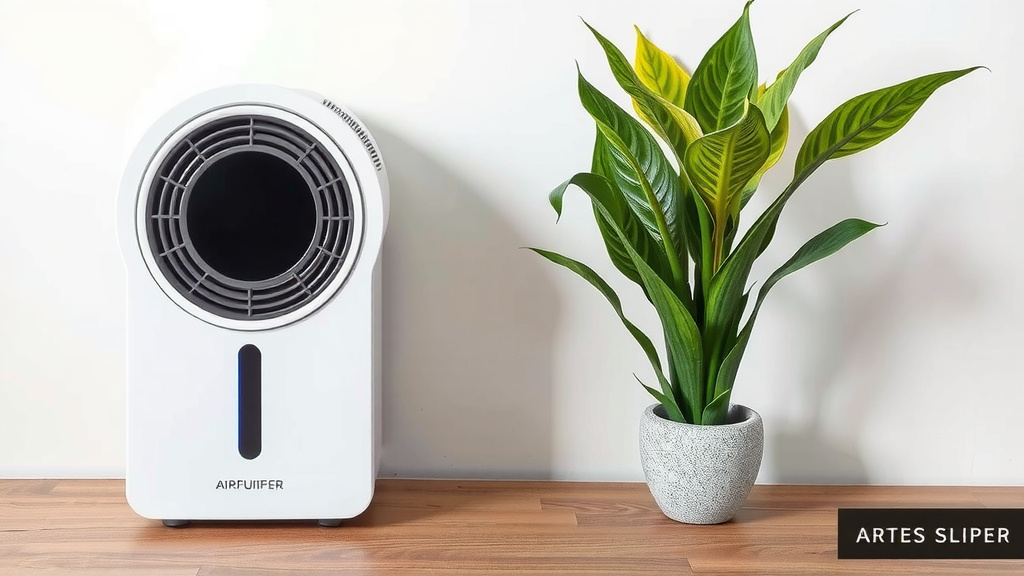
Who Needs What? Making the Right Choice for Your Home
Your choice depends on your goals. Are you looking to actively combat allergies, reduce pet dander, or clear out smoke smells? An air purifier is your best bet.
For Allergy and Asthma Sufferers
If you or someone in your household suffers from allergies or asthma, an air purifier is almost essential. It can significantly reduce triggers like pollen, dust mites, and pet dander. We found that consistent use can lead to fewer symptoms and better sleep.
For General Air Freshening vs. True Cleaning
A snake plant can contribute to a feeling of freshness. It adds a touch of nature to your decor. It might even offer a slight improvement in air quality. But if your goal is a noticeable reduction in airborne irritants, it’s not enough.
Think of it like this: A snake plant is like using a damp cloth to wipe down a dusty shelf. An air purifier is like a high-powered vacuum cleaner for your entire room. Both do something, but only one tackles the problem thoroughly.
When to Consider Both
There’s no reason you can’t have both! A snake plant can add beauty and a bit of natural air improvement. Pair it with an air purifier for the heavy lifting. This dual approach can create a very pleasant indoor environment. Your snake plant won’t be harmed by your air purifier; they can coexist happily.
Key Takeaways for Cleaner Air at Home
Making informed decisions about your home environment is important. Here’s a quick rundown to help you remember the main points:
- Air purifiers are specifically designed to remove a wide range of pollutants.
- Snake plants offer minimal air purification, more of a symbolic benefit.
- For allergy relief, air purifiers are far more effective.
- Plants contribute to aesthetics and well-being, but not significant air cleaning.
- Consider an air purifier for a noticeably healthier and cleaner air environment.
Conclusion
When it comes to improving your home’s air quality, air purifiers are your clear winner. They are engineered with advanced filtration systems to actively capture a wide spectrum of pollutants, from dust and pollen to odors and VOCs. While snake plants add beauty and offer minor air-enhancing benefits, their impact is minimal compared to a dedicated air cleaning device. If you’re seeking a noticeable difference, especially for allergies or asthma, investing in an air purifier is your most effective step toward a healthier living space. Consider adding a snake plant for decoration and a small bonus, but let the air purifier do the heavy lifting for truly clean air.
Frequently Asked Questions
Can a snake plant really clean my air as well as an air purifier?
No, a snake plant cannot clean your air as well as an air purifier. Research shows that while snake plants can filter a small amount of specific toxins, an air purifier with a HEPA filter captures 99.97% of airborne particles. You would need hundreds of snake plants to match the cleaning power of a single air purifier.
How often do I need to replace air purifier filters?
Air purifier filter replacement frequency typically ranges from 6 to 12 months, depending on the model and usage. It’s best to check your air purifier’s manual for specific recommendations. Failing to replace filters can reduce the purifier’s effectiveness.
Are snake plants good for people with allergies?
Snake plants offer very limited benefits for allergy sufferers. They do not significantly reduce airborne allergens like pollen or dust mites, which are common allergy triggers. Air purifiers are much more effective at removing these allergens from your air.
Can I place a snake plant near my air purifier?
Yes, you can absolutely place a snake plant near your air purifier. They can coexist happily and even complement each other. The snake plant adds a decorative touch and minor air enhancement, while the air purifier handles the major cleaning tasks.
What is the main difference in what they filter?
The main difference lies in the range and efficiency of pollutants filtered. Air purifiers, especially those with HEPA and carbon filters, capture a wide array of particles (dust, dander, pollen) and gases/odors. Snake plants, on the other hand, remove only a very small amount of specific volatile organic compounds.