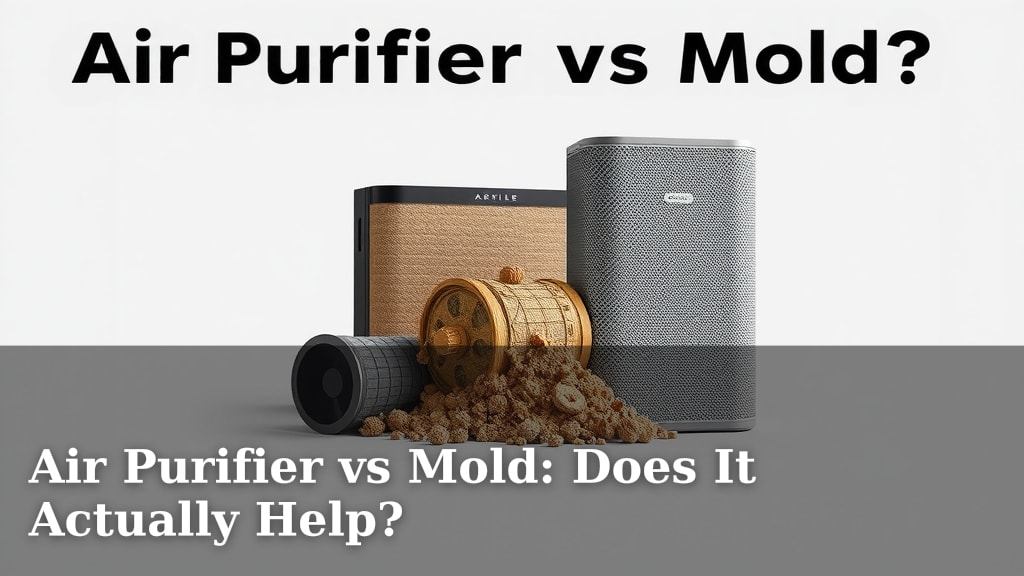
Air Purifier vs Mold: Does It Actually Help?
Yes, an air purifier can help with mold, but it’s not a complete solution. While an air purifier can capture airborne mold spores, it won’t remove the mold source or address the underlying moisture problem causing it. You need to deal with the mold itself and fix the humidity issue for true mold control.
Many homeowners wonder if their air purifier is enough to fight mold. We found that while these devices are great for filtering out many things in your air, including mold spores, they don’t actively kill mold. Think of it as mopping up a spill versus fixing the leaky pipe that caused it.
- Air purifiers capture airborne mold spores.
- They do not kill or remove mold from surfaces.
- You must find and fix the mold’s moisture source.
- Clean visible mold growth separately.
- HEPA filters are best for capturing small mold spores.
Let’s look closer at how air purifiers work with mold and what else you need to do to keep your home healthy and mold-free.
How Air Purifiers Handle Mold Spores
You might be wondering if your air purifier is truly doing anything about mold in your home. We’ve looked into it, and here’s the scoop: air purifiers can capture mold spores floating around in the air. Think of them as tiny vacuum cleaners for your air.
They use filters, often HEPA filters, to trap these microscopic particles. This means fewer spores are circulating and potentially landing where they can grow. It’s a **helpful step** in managing airborne allergens, including mold.
What a HEPA Filter Can Do
HEPA stands for High-Efficiency Particulate Air. These filters are designed to capture at least 99.97% of airborne particles that are 0.3 microns in size. Mold spores can be smaller or larger than this, but a HEPA filter is still very effective at trapping a **wide range** of them.
When air passes through the purifier, the HEPA filter acts like a very fine sieve. It grabs onto the mold spores, preventing them from being recirculated back into your living space. This can lead to **better indoor air quality**, especially if you’re sensitive to mold.
What Air Purifiers *Don’t* Do for Mold
Now, here’s where the crucial distinction comes in. While air purifiers are great at capturing spores already in the air, they **don’t kill mold**. They don’t remove mold that’s already growing on surfaces like walls, ceilings, or in damp areas. It’s like trying to dry up a puddle without stopping the leak.
An air purifier cannot scrub mold off your shower curtain or clean the black spots from your bathroom grout. Its job is to filter the air, not to clean surfaces or eliminate the mold colony itself. You need to tackle the **visible mold** and its root cause separately.
The Real Culprit: Moisture and Mold Growth
Mold needs moisture to grow and thrive. This is the fundamental truth about mold problems in homes. Without a water source, mold spores can’t take hold and multiply into the visible, fuzzy patches you often see.
So, even if you run an air purifier constantly, if there’s a persistent moisture problem, mold will **continue to grow**. The purifier might catch some of the spores released, but it won’t stop new growth from appearing.
Common Sources of Indoor Moisture
Where does this excess moisture come from? We often find it in a few common places. Leaky pipes are a big one, of course. Poor ventilation in bathrooms and kitchens can trap humidity from showers and cooking. Basements and crawl spaces can also be damp due to groundwater seepage or poor drainage.
Even everyday activities like drying clothes indoors or having a lot of houseplants can contribute to higher humidity levels. Identifying and fixing these moisture sources is **absolutely essential** for any effective mold control strategy (CDC).
Why Fixing Moisture is Key
Experts agree that addressing the moisture issue is the **most important step** in getting rid of mold. If you don’t fix the leak or reduce the humidity, any mold you clean away is likely to come back. It’s like watering a dead plant; it just won’t help.
Your air purifier can help manage the airborne spores that *might* result from the mold, but it’s not a substitute for stopping the mold’s growth in the first place. You need to be a detective and find that damp spot!
Your Action Plan: Purifier Plus More
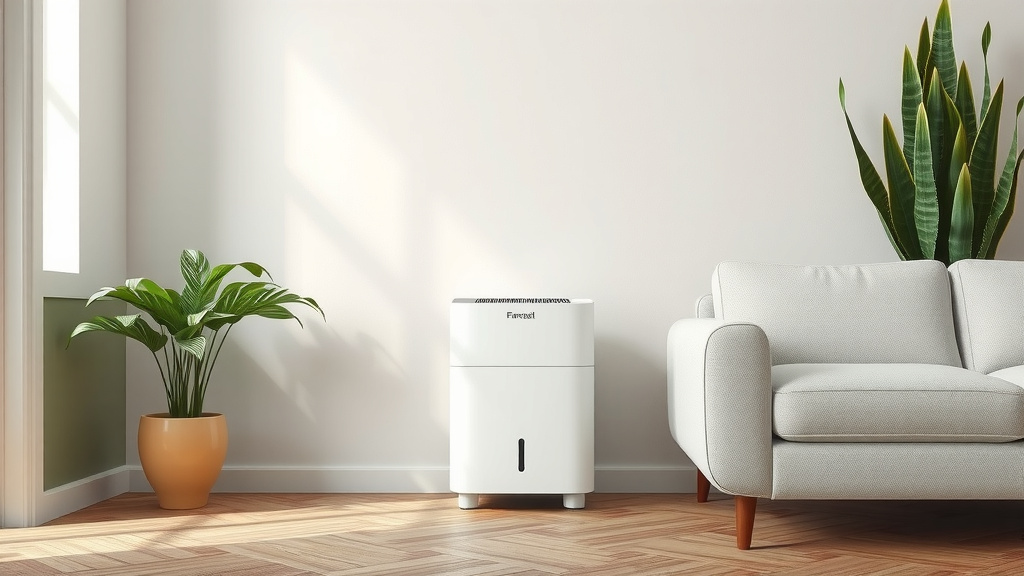
So, can you use an air purifier as part of your mold management plan? Absolutely! It can be a great **supplementary tool**. But it needs to be part of a larger strategy. Think of it as one piece of a puzzle.
The best approach involves a few key steps to truly tackle mold in your home. You’re looking for a multi-pronged attack.
Step 1: Find and Fix the Water Source
This is non-negotiable. You must locate where the excess moisture is coming from and repair it. Whether it’s a leaky faucet, a faulty pipe, or a drainage issue, fixing it stops mold’s food supply. This is the **foundation of mold control**.
Step 2: Clean Visible Mold
Once you’ve stopped the moisture, you need to remove any mold that has already grown. For small areas (less than 10 square feet), you can often do this yourself. Use a detergent and water solution. For more serious or widespread mold, it’s wise to call a **professional mold remediation service**.
Step 3: Use Your Air Purifier Strategically
After cleaning and fixing the moisture source, run your air purifier. Place it in the room where mold was present or in areas prone to dampness. Ensure it has a **HEPA filter** for maximum spore capture. This helps clear out any lingering airborne spores.
Step 4: Monitor and Ventilate
Keep an eye on humidity levels. Use a hygrometer to measure. Aim for humidity between 30% and 50%. Use exhaust fans when cooking or showering. Open windows when the weather permits to **improve air circulation**. Good airflow is your friend.
Using an Air Purifier vs. Other Mold Solutions
Here’s a quick look at how an air purifier stacks up against other methods:
| Method | What It Does for Mold | Best For |
|---|---|---|
| Air Purifier (with HEPA) | Captures airborne mold spores. | Reducing airborne allergens; *after* cleaning. |
| Cleaning with Soap & Water | Removes mold from surfaces. | Visible mold growth on non-porous surfaces. |
| Fixing Leaks/Moisture | Prevents mold from growing/returning. | The fundamental cause of mold. **Essential**. |
| Dehumidifier | Reduces overall indoor humidity. | Damp environments like basements; helps prevent future growth. |
Your Mold-Fighting Checklist
Here’s a quick checklist to help you get started on a mold-free path:
- Find and fix all water leaks and moisture sources.
- Clean any visible mold growth with appropriate cleaners.
- Ensure your air purifier has a functioning HEPA filter.
- Run your air purifier in affected areas to catch spores.
- Monitor humidity levels and use ventilation regularly.
- Consider a dehumidifier for persistently damp areas.
Conclusion
So, can an air purifier help with mold? Yes, but only as part of a larger plan. Your air purifier, especially one with a HEPA filter, is excellent at capturing airborne mold spores after they’ve been released. It’s a good tool for managing air quality once the problem is addressed. However, it won’t remove existing mold growth or stop mold from returning. The real solution always starts with finding and fixing the moisture source that allows mold to grow in the first place. Take action by tackling leaks and dampness first, then use your air purifier and good ventilation to keep your home healthy.
Frequently Asked Questions
Will an air purifier remove mold from my walls?
No, an air purifier cannot remove mold that is already growing on surfaces like walls or ceilings. Its function is to filter the air, capturing airborne particles like mold spores. You’ll need to clean visible mold growth directly with appropriate cleaning solutions.
How often should I run my air purifier for mold?
Once you’ve addressed the mold source and cleaned any growth, run your air purifier continuously in the affected area, or in rooms prone to dampness. This helps capture any lingering spores. Ensure the HEPA filter is clean and functioning properly.
Can a dehumidifier be used with an air purifier for mold?
Yes, a dehumidifier and an air purifier can work together effectively against mold. The dehumidifier reduces the moisture that mold needs to grow, while the air purifier captures airborne spores. Using both helps create an environment less favorable for mold.
What if my air purifier doesn’t have a HEPA filter? Will it still help with mold?
An air purifier without a HEPA filter may capture some larger mold particles, but it won’t be as effective. HEPA filters are specifically designed to trap very small particles, including the vast majority of mold spores. For mold control, a HEPA filter is highly recommended.
How do I know if I have a mold problem that my air purifier can’t handle?
If you see visible mold growth, smell a musty odor, or experience recurring dampness, you likely have a mold issue that an air purifier alone can’t fix. These signs indicate you need to find and address the moisture source and clean the mold directly before relying on the purifier.