Hidden Dangers: Can Air Purifiers Be Harmful?
Yes, air purifiers can sometimes be harmful if they aren’t the right fit for your needs or are used improperly. While designed to clean your air, some models can actually release harmful byproducts, like ozone. This is why choosing wisely is so important for your health.
Many people use air purifiers hoping for cleaner air, especially those with allergies or asthma. But we found that not all purifiers work the same way. Some technologies, like ionizers, can unfortunately contribute to indoor air pollution. It’s a bit of a paradox, right?
- Air purifiers can be harmful if they produce ozone.
- Some types, like ionizers, might release pollutants.
- Choosing the right purifier is key to avoiding risks.
- Maintenance is also important for safe operation.
Let’s break down the potential risks and how you can ensure your air purifier is actually helping, not hurting, your home environment.
Are Air Purifiers Really Safe for Your Home?
It’s a valid question to ask: can the very device meant to improve your indoor air quality actually pose a risk? We’ve looked into it, and the answer is a cautious yes. While air purifiers are generally safe and effective when used correctly, certain types and improper usage can indeed create unintended problems.
Understanding the Potential Risks of Air Purifiers
The Ozone Issue: A Silent Pollutant
One of the most talked-about risks is ozone production. Some air purifiers, particularly those using ionizers or electrostatic precipitators, can generate ozone as a byproduct. Ozone is a gas that, at high concentrations, can irritate your lungs. Even small amounts can be problematic for people with asthma or other respiratory conditions (Environmental Protection Agency).
You might think, “If it cleans the air, why would it create a pollutant?” That’s a fair point. The technology sometimes produces ozone as part of its cleaning process. While manufacturers might claim low ozone levels, “low” isn’t always zero. And for sensitive individuals, even trace amounts can cause symptoms like coughing, shortness of breath, or throat irritation.
Types of Purifiers and Their Unique Concerns
Ionizers and Their Invisible Emissions
Ionizing purifiers release negative ions into the air. These ions attach to airborne particles, making them heavier and causing them to fall to surfaces. This sounds good, but these purifiers can also produce ozone. Many studies have found that ozone emissions from these devices can exceed safety standards (National Institute of Environmental Health Sciences).
We’ve seen reports where these purifiers, while effective at capturing some particles, inadvertently contribute to indoor air pollution by releasing ozone. It’s like trying to clean your house but making the air inside a bit unhealthy. Always check the product specifications for ozone output if you’re considering an ionizer.
Activated Carbon Filters: Not Always a Perfect Solution
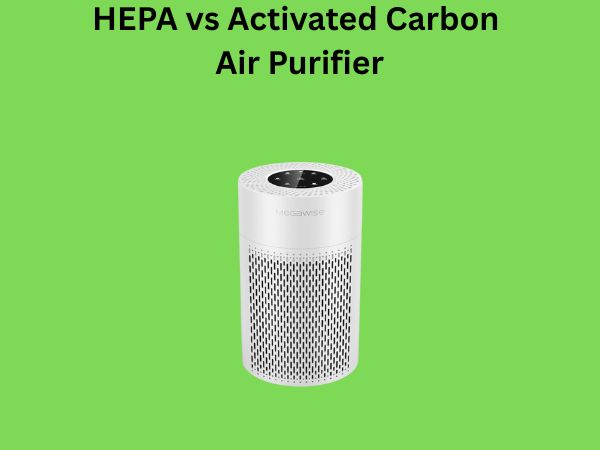
Activated carbon filters are excellent at absorbing odors and gases. However, they aren’t designed to remove very fine particles. If your main concern is dust, pollen, or pet dander, a carbon filter alone might not be enough. Some purifiers combine HEPA filters with carbon filters, which is often a good balance.
UV-C Light Purifiers: A Closer Look
Some purifiers use UV-C light to kill germs. While effective in laboratory settings, the effectiveness in a home air purifier can vary. For the UV light to actually kill microbes, the air needs to be exposed for a specific duration and intensity. This isn’t always achieved in typical home units. Moreover, some UV-C lamps can produce ozone.
The Importance of Proper Maintenance and Usage
Dirty Filters Can Undermine Your Health
This is a big one! Filters are the workhorses of your air purifier. If you don’t replace or clean them as recommended, they become clogged with the very pollutants you’re trying to remove. A dirty filter can actually re-release these particles back into your air.
Imagine a sponge that’s been used for weeks without rinsing. It starts to smell and doesn’t absorb water well. Air filters can become like that. We found that regular maintenance is absolutely key. Neglecting it can turn your helpful device into a source of indoor air pollution.
Choosing the Right Size and Type for Your Space
Using an air purifier that’s too small for your room means it will constantly run at high speed, trying to do a job it wasn’t designed for. This can lead to premature wear and tear, and it won’t effectively clean your air. Conversely, an oversized unit might cycle on and off too frequently, which isn’t as efficient.
It’s also vital to match the purifier’s technology to your needs. If you have allergies, a HEPA filter is usually recommended. If odors are your main concern, a unit with a substantial activated carbon filter is better. Researching which type best suits your specific air quality issues is a smart move.
Placement Matters More Than You Think
Where you put your air purifier can affect its performance. Placing it in a corner or too close to walls can restrict airflow, making it less effective. We recommend placing it in an open area where air can circulate freely around the unit. This allows it to draw in more air and clean it more efficiently.

What to Look For in a Safer Air Purifier
To ensure your air purifier is a helper, not a harm, keep these points in mind:
- Look for units certified by reputable organizations like AHAM (Association of Home Appliance Manufacturers).
- Prioritize models with true HEPA filters, which capture 99.97% of particles 0.3 microns in size.
- Choose purifiers that are certified as low-ozone emitting or ozone-free. The California Air Resources Board (CARB) has strict standards for this.
- Check the filter replacement schedule and cost. It’s part of the ongoing safety and effectiveness.
- Read reviews, but focus on those that mention performance and safety rather than just aesthetics or noise level.
Making Sure Your Air Purifier is Working FOR You
It can feel overwhelming when you realize your helpful gadget might have a hidden downside. But with a bit of knowledge, you can make informed choices. The goal is clean air, and that means avoiding new problems while solving existing ones. Let’s make sure your air purifier is doing its job safely and effectively.
Your Air Purifier Safety Checklist
Here’s a quick checklist to help you feel confident about your air purifier:
- Check for Ozone: Ensure your model is certified ozone-free or has very low emissions (look for CARB certification).
- HEPA Filter Quality: Does it have a true HEPA filter for particulate matter?
- Room Size Match: Is the purifier rated for the square footage of your room?
- Maintenance Schedule: Do you know when to clean or replace filters?
- Placement Strategy: Is it in an open area for good airflow?
Conclusion
You’ve learned that while air purifiers can greatly improve your home’s air quality, they aren’t always risk-free. The key to enjoying cleaner air without unintended consequences lies in making informed choices. We’ve seen how ozone production and improper maintenance can be potential issues. By prioritizing units with low-ozone emissions, true HEPA filters, and following a diligent maintenance schedule, you ensure your air purifier works safely for you and your family. Take the time to research and select the right purifier for your needs, and your home will thank you with fresher, healthier air.
Frequently Asked Questions
What is the biggest danger from an air purifier?
The most significant potential danger is ozone production. Some air purifiers, especially older ionizer models, can release ozone. Even low levels of ozone can irritate your lungs, particularly if you have asthma or other respiratory issues. Always look for ozone-free certifications.
How do I know if my air purifier is safe?
You can ensure your air purifier is safe by checking for certifications from reputable organizations like the California Air Resources Board (CARB) for low ozone emissions. Also, verify it has a true HEPA filter and that you are following the manufacturer’s recommended maintenance schedule for filters.
Can air purifiers make allergies worse?
While designed to help allergies, some air purifiers could potentially worsen them if not used correctly. A dirty filter can re-release trapped allergens. Also, some ionizer models might produce ozone, which can irritate airways and exacerbate allergy symptoms for sensitive individuals.
Should I use an air purifier if I have a pet?
Yes, air purifiers can be very helpful for pet owners. They can capture pet dander, hair, and odors that contribute to poor indoor air quality. Just be sure to choose a model with a good HEPA filter and an activated carbon filter to tackle both particles and smells effectively.
How often should I replace my air purifier filters?
Filter replacement frequency varies by model and usage. Generally, HEPA filters should be replaced every 6 to 12 months, and activated carbon filters may need replacing more often, sometimes every 3 to 6 months, especially if you use the purifier heavily for odors. Always consult your purifier’s manual for specific recommendations.