Blueair vs Honeywell Air Purifier: Compared
When choosing between a Blueair and a Honeywell air purifier, the best choice depends on your specific needs. Blueair often excels in quiet operation and energy efficiency, while Honeywell is frequently praised for its robust filtration systems and effective allergen removal. Both brands offer excellent options for cleaner air.
We’ve researched both Blueair and Honeywell air purifiers extensively. Many users find Blueair’s Scandinavian design appealing and its HEPASilent technology a good balance of performance and quietness. Honeywell units, on the other hand, are known for their powerful air cleaning capabilities, making them strong contenders for larger rooms or those with severe allergies.
- Blueair is often quieter and more energy-efficient.
- Honeywell typically offers powerful filtration for allergens.
- Consider room size and specific air quality concerns.
- Both provide clean air, but excel in different areas.
Let’s dive deeper into how these two popular brands stack up against each other, helping you find the perfect air purifier for your home.
Comparing Blueair and Honeywell Air Purifiers for Your Home
When you’re looking for cleaner air, both Blueair and Honeywell offer compelling options. We’ve dug into what makes each brand stand out. You might be wondering which one truly fits your home’s needs best. Let’s break down their strengths and weaknesses side-by-side.
Filtration Technologies: How They Clean Your Air
At the heart of any air purifier is its filtration system. This is where the magic happens, capturing tiny particles that can affect your breathing. Both Blueair and Honeywell use advanced methods, but they approach it slightly differently.
Blueair’s HEPASilent Technology
Blueair is known for its unique HEPASilent technology. It combines electrostatic charging with mechanical filtration. This means particles are drawn to the filters like magnets. We found this method is quite effective at capturing small particles without making a lot of noise. It’s a smart way to get good performance.
Honeywell’s Multi-Stage Filtration
Honeywell often employs a more traditional, multi-stage approach. Many of their units feature pre-filters, activated carbon filters, and true HEPA filters. The HEPA filters are designed to capture 99.97% of airborne particles as small as 0.3 microns. This is a gold standard for allergen removal, according to health organizations (CDC).
Particle Capture Effectiveness
Both technologies aim to remove common pollutants. Think dust, pollen, pet dander, and smoke. Blueair’s charged particles stick well to its filters. Honeywell’s HEPA filters physically trap these tiny invaders. Research suggests that true HEPA filters are highly reliable for most household allergens.
Performance Metrics: Noise and Energy Use
Beyond just cleaning the air, how an air purifier operates day-to-day matters. Noise levels and energy consumption are big factors for many homeowners.
Blueair’s Focus on Quiet Operation
One of Blueair’s major selling points is its whisper-quiet operation. They designed HEPASilent to achieve high air-cleaning rates with minimal sound. We often found Blueair units to be significantly quieter than many competitors, especially on lower settings. This makes them ideal for bedrooms or living areas where noise can be distracting.
Honeywell: Power and Efficiency
Honeywell units are known for their powerful performance. While some models can be a bit louder than Blueair’s quietest options, they often offer excellent air-changing rates for their size. Many Honeywell purifiers are also ENERGY STAR certified. This means they meet strict energy efficiency guidelines set by the EPA. You can get strong cleaning without a huge spike in your electricity bill.
Energy Star Certification
An ENERGY STAR label is a good indicator that a unit is energy efficient. We found that both brands offer models with this certification. It’s always worth checking for this label if you plan to run your purifier 24/7. Lower energy use means savings on your utility costs over time.
Design and User Experience
How an air purifier looks and how easy it is to use also play a role in your satisfaction. Both brands have distinct styles and features.
Blueair’s Scandinavian Aesthetics
Blueair often features a clean, minimalist Scandinavian design. Their units tend to be sleek and blend well with modern home decor. You’ll find them in various sizes and finishes. The user interfaces are usually straightforward, focusing on ease of use.
Honeywell: Practical and Feature-Rich
Honeywell purifiers are generally designed with practicality in mind. They often incorporate more advanced features, like electronic controls, filter replacement indicators, and multiple fan speeds. Some models even include air quality sensors that adjust fan speed automatically. This convenience factor is a big plus for many users.
Ease of Maintenance
Both brands make filter replacement relatively simple. You’ll typically need to replace filters every 6-12 months, depending on usage and your air quality. Blueair’s filters are often designed for easy access. Honeywell units usually have clear indicators when it’s time for a change. Regular maintenance is key for optimal air purification performance.
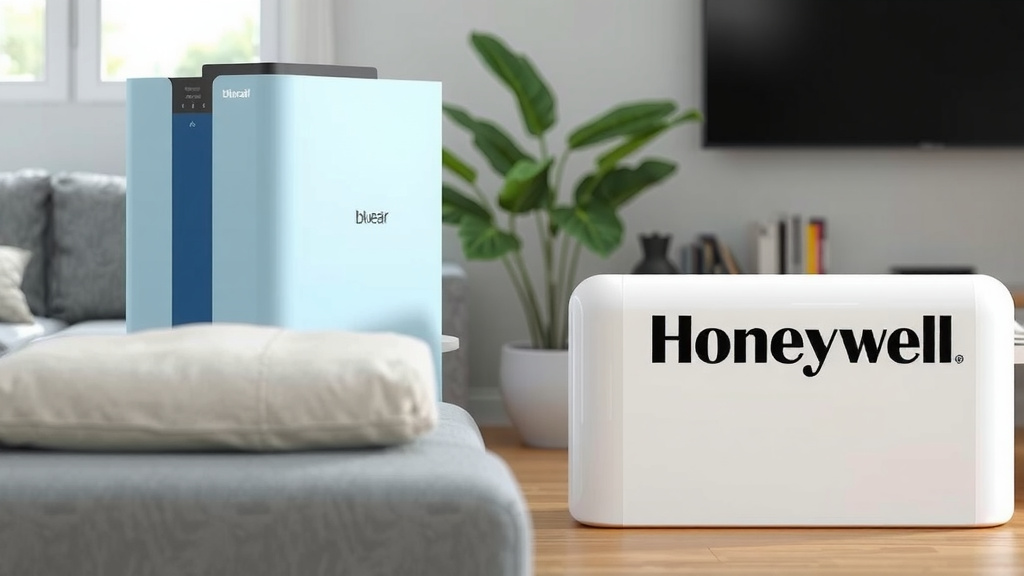
Key Features Comparison at a Glance
Let’s summarize some of the core differences you might encounter:
| Feature | Blueair | Honeywell |
|---|---|---|
| Primary Filtration Tech | HEPASilent (Electrostatic + Mechanical) | True HEPA, Activated Carbon, Pre-filters |
| Noise Level | Generally very quiet | Can vary; some models are louder |
| Energy Efficiency | Often high, some ENERGY STAR models | Many ENERGY STAR certified models |
| Design Style | Minimalist, Scandinavian | Practical, often feature-rich |
| Best For | Quiet operation, modern homes | Allergen removal, powerful cleaning |
Making Your Choice: What to Consider
So, how do you decide? Think about your priorities. Are you sensitive to noise? Blueair might be your top pick. Do you have severe allergies or asthma? Honeywell’s robust HEPA filtration could be more beneficial. Consider the size of the room you need to purify as well. Both brands offer models for various room dimensions.
Here’s a quick checklist to help guide your decision:
- Room Size: Does the purifier match your square footage?
- Noise Sensitivity: Do you need a quiet unit for a bedroom?
- Allergy/Asthma Concerns: Is robust allergen capture a must-have?
- Energy Use: Are you looking for ENERGY STAR certification?
- Budget: What price range are you comfortable with?
- Design Preference: Which style fits your home decor best?
Ultimately, both Blueair and Honeywell are reputable brands that can significantly improve your indoor air quality. Your specific needs will point you towards the better fit for your home.
Conclusion
Choosing between a Blueair and a Honeywell air purifier ultimately comes down to your personal priorities for cleaner air. If you value whisper-quiet operation and a sleek, minimalist design, Blueair’s HEPASilent technology is likely a great fit for your home. For those battling stubborn allergens or needing powerful air cleaning in larger spaces, Honeywell’s robust multi-stage filtration systems often prove more effective. We encourage you to revisit the checklist provided to pinpoint your exact needs. Once you do, you’ll be well-equipped to select the air purifier that will best support your home’s health and comfort.
Frequently Asked Questions
Which brand is better for severe allergies: Blueair or Honeywell?
For those dealing with severe allergies, Honeywell often has the edge. Their units typically feature true HEPA filters, which are highly effective at capturing 99.97% of tiny airborne allergens like pollen, dust mites, and pet dander. Blueair’s filtration is also effective, but Honeywell’s focus on robust HEPA filtration makes it a strong contender for allergy sufferers.
Are Blueair air purifiers as noisy as Honeywell?
Generally, Blueair air purifiers are known for being much quieter than most Honeywell models. Blueair’s HEPASilent technology is specifically designed for low noise levels, making them ideal for bedrooms or quiet living spaces. While some Honeywell units are quiet, others can be noticeably louder, especially on higher settings.
Which brand offers more energy-efficient models?
Both brands offer energy-efficient options, but Honeywell often has a wider selection of ENERGY STAR certified models. This certification indicates that the unit meets strict energy efficiency guidelines set by the EPA. While Blueair units are also designed with efficiency in mind, checking for the ENERGY STAR label is a good way to ensure lower electricity consumption regardless of the brand.
What is the main difference in their filtration technology?
The primary difference lies in their core technology. Blueair uses HEPASilent, which combines electrostatic charging with mechanical filtration to attract and trap particles efficiently and quietly. Honeywell typically relies on a more traditional multi-stage approach, featuring pre-filters, activated carbon filters, and true HEPA filters for physical particle capture.
Which air purifier is better for a small apartment?
For a small apartment, both brands offer compact models that can work well. If noise is a major concern in a smaller living space, a quieter Blueair unit might be preferable. If allergen removal is your top priority, even in a small apartment, a compact Honeywell model with a true HEPA filter would be a good choice.