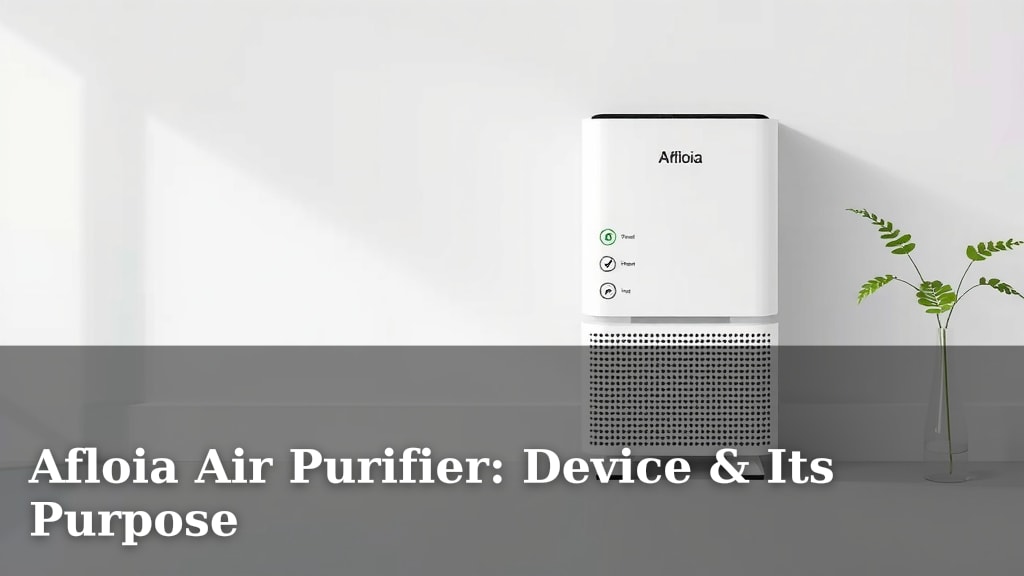
Afloia Air Purifier: Device & Its Purpose
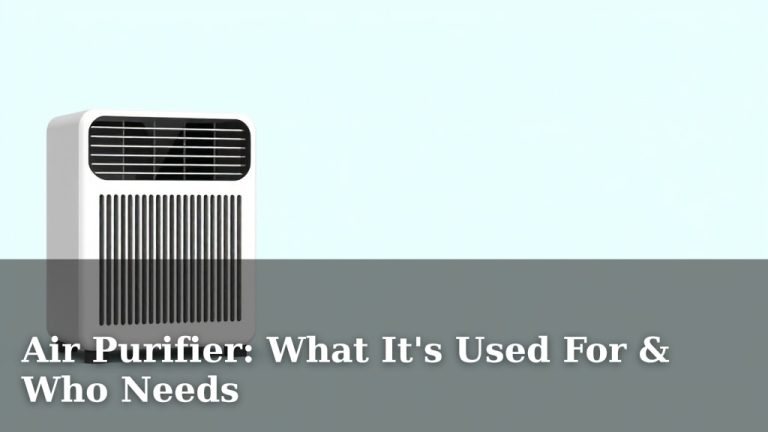
An Afloia air purifier is a home appliance designed to remove airborne particles and pollutants from your indoor air. Its primary purpose is to create a cleaner, healthier breathing environment for you and your family. Think of it as a high-tech filter for your home’s air.
These devices use various filtration stages to capture things like dust, pollen, pet dander, and even smoke odors. Many Afloia models also include activated carbon filters to tackle common household smells. This can be a real game-changer for allergy sufferers and anyone sensitive to air quality.
- What is an Afloia air purifier?
- It’s a device that cleans your indoor air.
- Its main goal is to remove pollutants and allergens.
- They use multiple filter types for effective cleaning.
- A cleaner home environment is the key benefit.
If you’re curious about how these purifiers work and what they can do for your home, you’ve come to the right place. Let’s dive into the details of the Afloia air purifier and its purpose.
Understanding Your Afloia Air Purifier’s Role
So, you’ve got an Afloia air purifier, or you’re thinking about getting one. You’re probably wondering, “What exactly does this thing do for my home?” Simply put, your Afloia air purifier acts like a vigilant guardian for your indoor air quality. It’s designed to actively clean the air you breathe every single day. Think of it as a personal air spa for your living space.
Its core purpose is to remove tiny particles and common pollutants that float around your home. These aren’t always visible to the naked eye. Dust bunnies are just the tip of the iceberg. Many of these microscopic invaders can affect your health. Your Afloia purifier aims to make your indoor environment feel fresher and more comfortable.
How Does an Afloia Air Purifier Work?
Afloia air purifiers work by drawing in the air from your room. This air then passes through a series of filters. Each filter is designed to trap different types of airborne contaminants. It’s a bit like a multi-stage cleaning process. The clean air is then released back into your room. This cycle repeats continuously.
The Filtration Stages: A Deeper Look
Most Afloia models use a multi-stage filtration system. This layered approach ensures that a wide range of pollutants are captured. You’ll typically find at least three main types of filters working together.
The Pre-Filter: The First Line of Defense
The first filter your air encounters is usually the pre-filter. Its main job is to catch the larger particles. Think of things like pet hair, visible dust, and lint. By trapping these bigger items, it protects the subsequent, more delicate filters. This helps extend their lifespan. It’s a simple but essential step in the cleaning process.
The HEPA Filter: The Allergen Hunter
Next up is the High-Efficiency Particulate Air (HEPA) filter. This is where the real magic happens for allergy sufferers. A true HEPA filter is designed to capture at least 99.97% of airborne particles that are 0.3 microns in size. What does that mean for you? It means it can trap microscopic irritants like pollen, mold spores, and pet dander. These are common triggers for allergies and asthma. Many health organizations recommend HEPA filtration for improving indoor air quality (CDC).
The Activated Carbon Filter: Odor and VOC Neutralizer
The final filter in many Afloia units is the activated carbon filter. This filter is a powerhouse when it comes to dealing with odors and gases. Activated carbon has a porous structure, creating a large surface area. This allows it to adsorb (not absorb) various gaseous pollutants. This includes common household smells from cooking or pets. It can also help reduce volatile organic compounds (VOCs) from cleaning products or furniture. This stage leaves your air smelling fresher.
What Can Your Afloia Air Purifier Actually Remove?
It’s good to know what your device is capable of. Afloia air purifiers are effective at reducing a range of common indoor air pollutants. Here’s a quick rundown of what you can expect:
- Dust and Dust Mites: Helps reduce the amount of dust settling around your home.
- Pollen: Especially beneficial during allergy seasons.
- Pet Dander: A major relief for households with furry friends.
- Mold Spores: Contributes to a healthier environment, especially in damp areas.
- Smoke Odors: Helps neutralize smells from cooking or if you have smokers in the house.
- VOCs (Volatile Organic Compounds): Reduces certain chemical odors from household products.
Who Benefits Most from an Afloia Air Purifier?
While everyone can enjoy cleaner air, some groups see more pronounced benefits. Allergy sufferers often report a noticeable reduction in symptoms. People with asthma can also find relief. Those who are sensitive to smells or air pollution can experience a more comfortable living space. Even if you don’t have specific sensitivities, you might appreciate the generally fresher feel of your home’s air.
Understanding Coverage Area and CADR
When choosing an air purifier, you’ll often see terms like “coverage area” and “CADR.” These are important metrics. The coverage area tells you the size of the room the purifier is best suited for. You don’t want a purifier that’s too small for your space. An undersized unit will struggle to clean the air effectively.
CADR stands for Clean Air Delivery Rate. It’s a measure of how quickly the purifier can clean the air. There are typically three CADR ratings: for smoke, dust, and pollen. A higher CADR means the unit cleans the air faster. Many experts recommend choosing a purifier with a CADR that is suited to your room size. You can often find this information on the product packaging or in the manual. This helps you ensure you’re getting the right level of performance.
Essential Maintenance for Optimal Performance
To keep your Afloia air purifier working its best, a little maintenance goes a long way. Think of it like changing the oil in your car. Without regular upkeep, performance suffers. The most important task is replacing the filters. These get clogged over time.
Here’s a simple checklist for keeping your purifier in top shape:
- Check the pre-filter regularly for dust buildup.
- Clean the pre-filter according to the manufacturer’s instructions, usually by vacuuming or rinsing.
- Replace the HEPA and carbon filters at the recommended intervals.
- Wipe down the exterior of the unit with a dry or slightly damp cloth.
- Ensure the air intake and outlet are not blocked.
Following these steps ensures your Afloia air purifier continues to provide you with clean, fresh air. You’ll notice a difference in how your home feels and smells when it’s well-maintained.
Conclusion
You’ve learned how your Afloia air purifier works to create a healthier home. It uses multiple filter stages, including a pre-filter, HEPA, and activated carbon, to trap a wide range of pollutants. From dust and pollen to pet dander and odors, these devices actively clean your indoor air. This can significantly improve comfort, especially for allergy sufferers and those sensitive to air quality.
To ensure your Afloia continues to perform its best, remember to perform regular maintenance. Cleaning the pre-filter and replacing the HEPA and carbon filters on schedule are key steps. Consider your room size and the unit’s CADR to maximize its effectiveness. Now that you understand its purpose and function, you can better appreciate the clean air it provides.
Frequently Asked Questions
How often should I replace the filters in my Afloia air purifier?
Filter replacement frequency depends on your specific model and usage. Generally, the HEPA and activated carbon filters need replacing every 6-12 months. Always check your Afloia’s manual for the manufacturer’s exact recommendations. Regular replacement ensures your purifier continues to capture pollutants effectively.
Can an Afloia air purifier really help with pet allergies?
Yes, an Afloia air purifier can significantly help with pet allergies. The HEPA filter is designed to capture tiny particles like pet dander, which is a common allergen. The activated carbon filter also helps reduce pet odors. By reducing these airborne irritants, it can make your home more comfortable.
What’s the difference between HEPA and activated carbon filters?
The HEPA filter is designed to trap physical particles, like dust, pollen, and dander. It’s highly efficient at capturing microscopic allergens. The activated carbon filter, on the other hand, is porous and traps gases and odors through adsorption. It tackles smells from cooking, pets, or VOCs, leaving your air smelling fresher.
Is an Afloia air purifier noisy?
Noise levels can vary between Afloia models and fan speeds. Most air purifiers produce some level of sound, similar to a fan. Lower settings are usually very quiet, suitable for bedrooms. Higher settings will be more audible but provide faster air cleaning. Check product specifications for decibel (dB) ratings if noise is a major concern for you.
Do Afloia air purifiers use a lot of electricity?
Afloia air purifiers are generally energy-efficient. They typically use a similar amount of electricity to a standard fan or a small appliance. The exact power consumption depends on the model and the fan speed setting you use. Running them on lower settings for extended periods is quite economical.