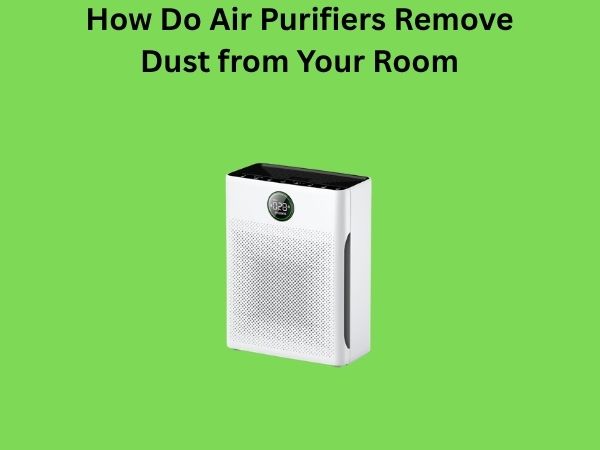
Air Purifier for Home: How Does It Work?
If you’ve ever walked into a room and felt that stuffy, stale air sitting in your lungs, you’re not alone. Indoor air quality is something most of us don’t think about until we really need to. That’s where air purifiers come into play. But have you ever wondered what’s actually happening inside that machine humming away in the corner of your bedroom? Let me walk you through the fascinating world of air purification and show you exactly how these devices work their magic on the air you breathe every single day.
Understanding Indoor Air Quality and Why It Matters
Before we dive into how air purifiers work, let’s talk about why you even need one in the first place. Your home isn’t the pristine sanctuary you might think it is. Think of it like this: every time you open a door, dust particles, pollen, and various pollutants sneak in like uninvited guests. When you cook, pet dander floats through the air. When someone coughs or sneezes, invisible droplets spread throughout your rooms. Over time, all these particles accumulate, and the air quality in your home deteriorates significantly.
Poor indoor air quality can lead to respiratory issues, allergies, asthma flare-ups, and general discomfort. Studies have shown that indoor air can actually be five to ten times more polluted than outdoor air. That’s a sobering thought, isn’t it? This is precisely why understanding how air purifiers work becomes not just interesting, but genuinely important for your health and wellbeing.
The Basic Concept Behind Air Purifiers
An air purifier is essentially a cleaning machine for your indoor environment. At its core, it operates on a simple principle: pull in contaminated air, clean it, and release purified air back into your room. It’s similar to how a water filter works, except instead of cleaning water, it’s cleaning the air you breathe.
The magic happens through multiple stages of filtration and purification. Most modern air purifiers use a combination of mechanical filters, activated carbon, and sometimes additional technologies like UV light or ionization. Each component plays a specific role in removing different types of pollutants from your home.
The Journey of Air Through Your Purifier
When you turn on your air purifier, a fan inside creates negative pressure, which draws air from your room into the device. This air then travels through a series of filters before being released back into your space. The entire process repeats continuously, with the machine cycling through your room’s air multiple times per hour. The frequency at which air passes through the purifier depends on what’s called the Clean Air Delivery Rate, or CADR, which we’ll discuss later.
The Pre-Filter: Your First Line of Defense
The journey starts with the pre-filter, which is like the bouncer at the door of your air purifier. This mesh-like filter catches the larger particles—things you can actually see with your naked eye. We’re talking about dust, hair, lint, and pet fur. Without this pre-filter, these larger particles would clog up your more delicate filters much faster, reducing the efficiency of your entire system.
The pre-filter is typically washable and reusable. You can usually just hold it under running water or wipe it down with a cloth to restore its functionality. This means it’s both environmentally friendly and cost-effective in the long run. Most manufacturers recommend cleaning your pre-filter every two to four weeks, depending on how dirty your home gets.
HEPA Filters: The Heavy Hitters of Air Purification
Now we’re getting to the serious business. After the pre-filter does its job, the air encounters the HEPA filter. HEPA stands for High-Efficiency Particulate Air, and it’s genuinely one of the most effective filtration technologies available today. A true HEPA filter can capture 99.97 percent of particles that are 0.3 microns or larger. To put that in perspective, a human hair is roughly 100 microns thick, so we’re talking about incredibly tiny particles here.
How HEPA Filters Trap Particles
You might be wondering: how can a filter trap something so incredibly small? The answer lies in the physical structure of the HEPA filter itself. It’s made of a mesh of randomly arranged fibers, usually fiberglass, that creates a complex labyrinth of passages. When air flows through this labyrinth, particles encounter these fibers and get trapped through three main mechanisms:
- Interception: A particle travels close enough to a fiber that it sticks to the fiber due to electrostatic attraction.
- Impaction: A particle is too large or too heavy to follow the air stream around a fiber, so it crashes into the fiber and gets trapped.
- Diffusion: The smallest particles collide with air molecules, which causes them to bounce around randomly until they eventually hit a fiber and stick to it.
This combination of mechanisms means that HEPA filters are incredibly effective at removing all sorts of particles, from pollen and dust to bacteria and some viruses. However, it’s important to note that HEPA filters cannot be washed. Once they’re full, they need to be replaced, typically every six to twelve months depending on usage.
Activated Carbon Filters: Dealing with Odors and Chemicals
Here’s something that HEPA filters alone can’t do: they can’t remove odors or chemical gases from your air. That’s where activated carbon filters come in. Activated carbon is essentially charcoal that has been treated to increase its surface area. This creates a porous material with an enormous capacity to absorb gases and odors.
Imagine activated carbon as a sponge with millions of tiny holes. When air passes through it, odorous molecules and volatile organic compounds stick to the surface of these holes through a process called adsorption. This is different from absorption—adsorption means the molecules stick to the surface rather than being soaked up like water in a sponge.
What Can Activated Carbon Remove?
Activated carbon filters excel at removing a wide variety of unwanted elements from your home:
- Cooking odors and smoke
- Pet smells
- Chemical fumes from cleaning products
- Paint and varnish vapors
- Tobacco smoke
- Formaldehyde and other volatile organic compounds
Like HEPA filters, activated carbon filters eventually become saturated and need replacement. Most of these filters last between three and six months before they lose their effectiveness. Some people try to “recharge” activated carbon by baking it in the oven, but honestly, the results are mixed at best.
Additional Technologies: Going Beyond Basic Filtration
Modern air purifiers often include additional technologies beyond basic mechanical filtration. These work alongside the filters to provide even more comprehensive air cleaning. Let’s explore some of the most common ones.
UV Light Technology
Some air purifiers incorporate ultraviolet light, typically UV-C light, which can kill bacteria, viruses, and mold spores. When these microorganisms are exposed to UV-C light, it damages their DNA and prevents them from reproducing. It’s like giving your air an ultraviolet bath. However, it’s crucial to understand that UV light doesn’t remove the dead particles from your air—they still need to be caught by the filters. So UV light is best used as a complement to mechanical filtration, not as a replacement.
Ionization Technology
Ionizers work by releasing negatively charged ions into the air. These ions attach to positively charged particles like dust, pollen, and bacteria, making them heavier so they fall out of the air and onto surfaces. Think of it like giving particles an electric charge that makes them want to settle down.
Here’s the catch: while ionizers can be effective, they do produce a small amount of ozone as a byproduct. Ozone is actually a pollutant that you don’t want in your home, so if you’re considering an ionizer, make sure it’s certified to produce minimal ozone.
Photocatalytic Oxidation
Some premium air purifiers use photocatalytic oxidation, which combines UV light with a catalyst, usually titanium dioxide. This technology actually breaks down pollutants at a molecular level rather than just trapping them. It’s more advanced and generally more effective, but also more expensive.
How Air Flow Affects Purification Efficiency
The physical design of an air purifier plays a crucial role in how well it works. You see, having amazing filters doesn’t matter if air isn’t flowing through them efficiently. This is where airflow design becomes critical.
Understanding Clean Air Delivery Rate (CADR)
The Clean Air Delivery Rate, or CADR, measures how much clean air a purifier produces per minute. It’s typically measured in cubic feet per minute, or CFM. A higher CADR number means the purifier can clean your air faster and more effectively. For example, a purifier with a CADR of 300 can filter a room’s air much more rapidly than one with a CADR of 100.
When choosing an air purifier, you want to match the CADR to your room size. Generally, you want the purifier to change the air in your room at least four to five times per hour. This means that if your room is 400 square feet, you’d want an air purifier with a CADR of at least 100 to 150.
Airflow Patterns and Filter Placement
Effective air purifiers are designed with smart airflow patterns. They pull air in from one or more sides and push clean air out from another, creating circulation patterns that help ensure all the air in your room eventually gets filtered. The placement of intake and exhaust ports matters more than you might think. Poor design can create dead zones where air doesn’t circulate effectively, leaving some areas of your room inadequately purified.
The Role of Air Purifiers in Different Living Spaces
Air purifiers work a bit differently depending on where you place them and how you use them. Let’s look at some common scenarios.
Bedrooms and Personal Spaces
In a bedroom, an air purifier serves a particularly important function since you spend several hours there breathing the same air every night. Placing a purifier in your bedroom can help reduce allergens and improve sleep quality. Many people notice they sleep better and wake up less congested when they’ve been breathing cleaner air throughout the night.
Living Rooms and Common Areas
Living rooms are often where dust accumulates fastest because they’re high-traffic areas with lots of activities. An air purifier here needs to be able to handle continuous contamination from cooking, pets, and general activity. You might need a more powerful unit in these spaces to keep up with the demand.
Kitchens
Kitchens present unique challenges for air purifiers because of cooking fumes, smoke, and odors. A unit with a particularly effective activated carbon filter is especially valuable here. However, avoid placing your purifier too close to cooking surfaces where grease and steam could damage it.
Maintenance: Keeping Your Air Purifier at Peak Performance
Owning an air purifier is a responsibility. These machines only work well if you maintain them properly. Let’s talk about what that involves.
Regular Filter Replacement Schedule
The most important maintenance task is replacing filters on schedule. HEPA filters typically need replacement every six to twelve months, while activated carbon filters may need changing every three to six months. Some purifiers have indicator lights that tell you when it’s time to replace filters, which takes the guesswork out of maintenance.
Cleaning the Device Exterior
Beyond filter replacement, you should occasionally wipe down your air purifier with a slightly damp cloth to remove dust from the exterior. Pay special attention to the intake vents, where dust can accumulate and restrict airflow. A clean exterior helps ensure proper operation and extends the life of your machine.
Strategic Placement for Optimal Performance
Where you place your air purifier matters enormously. You want to position it in a location with good airflow, ideally not pressed directly against a wall. Give it at least a few inches of clearance on all sides so air can flow freely into the intake vents. Avoid placing it in corners where it can only draw air from one direction, and keep it away from obstacles that might block airflow.
Common Misconceptions About Air Purifiers
There’s a lot of confusion out there about what air purifiers can and cannot do. Let me clear up some of the biggest myths.
Myth: Air Purifiers Work Instantly
Some people expect to notice cleaner air immediately after turning on their purifier. In reality, it takes time for an air purifier to significantly improve your room’s air quality. Depending on the size of your room and the power of your purifier, it might take anywhere from thirty minutes to several hours to noticeably improve the air quality. The process is gradual, not instantaneous.
Myth: One Purifier Can Clean Your Entire Home
A single air purifier can only effectively clean the room it’s in. If you want clean air throughout your entire home, you’ll need to either invest in multiple units or get a whole-house air filtration system connected to your HVAC system. Many people make the mistake of buying one purifier for their living room and expecting the benefits to magically extend to their bedrooms upstairs.
Myth: Air Purifiers Eliminate the Need for Other Cleaning
An air purifier reduces airborne particles, but it doesn’t replace regular cleaning. You’ll still need to dust surfaces, vacuum carpets, and wipe down furniture. In fact, having an air purifier working while you clean can actually make the cleaning more effective by capturing disturbed particles before they settle elsewhere.
Choosing the Right Air Purifier for Your Needs
With so many options on the market, selecting an air purifier can feel overwhelming. Here are the key factors to consider:
- Room Size: Match the CADR rating to your room dimensions.
- Filter Types: Ensure it has HEPA and activated carbon filters at minimum.
- Noise Level: Check decibel ratings if you plan to use it in a bedroom.
- Filter Replacement Costs: Factor in the ongoing cost of replacement filters.
- Additional Features: Consider whether you want UV light, ionization, or smart home connectivity.
- Energy Consumption: Check the wattage and think about running costs.
- Warranty and Support: Reliable manufacturer support is valuable.
The Science Behind Particle Size and Filtration
Understanding particle sizes helps explain why air purifiers are effective. Different pollutants have different sizes, and different filtration methods target different sizes.
Pollen particles are typically 10 to 100 microns, making them relatively easy to catch. Dust mites are around 100 to 300 microns, also easy to trap. Bacteria range from 0.5 to 5 microns, requiring more sophisticated filtration. Viruses are even smaller, typically 0.02 to 0.3 microns, which is why HEPA filters specifically target this range.
Understanding these sizes explains why a quality HEPA filter is so important—it’s specifically designed to capture the tiniest particles that pass through pre-filters. This is why manufacturers don’t just use one thick filter; they use multiple filters that each target different particle sizes.
Long-Term Health Benefits of Using an Air Purifier
Beyond immediate comfort, using an air purifier in your home can provide