Air Diffuser vs Purifier: Which Improves Indoor Air Quality More?
When you walk into someone’s home and notice that fresh, clean scent in the air, you might wonder what’s creating that pleasant atmosphere. Is it an air diffuser, an air purifier, or something else entirely? If you’re like most people, you’ve probably found yourself confused about the difference between these two devices. They might seem similar at first glance, but they actually serve completely different purposes in your home.
The truth is, many people use these terms interchangeably, thinking they’re the same thing. But here’s the thing—understanding the distinction between an air diffuser and an air purifier can make a huge difference in how you approach improving your indoor air quality. Let me walk you through everything you need to know about both devices so you can make an informed decision about which one (or perhaps both!) might be right for your home.
Understanding What an Air Diffuser Actually Does
An air diffuser is fundamentally different from what many people think it is. It’s not actually designed to clean your air or remove harmful particles. Instead, think of a diffuser as more of an aromatherapy tool that disperses pleasant scents and, in some cases, moisture throughout your living space.
How Air Diffusers Work
When you use an air diffuser, you’re typically adding essential oils or fragrance to water, and the device breaks this mixture down into tiny particles or a fine mist. These particles are then released into the air, spreading the aroma throughout your room. Some diffusers use ultrasonic technology to create vibrations that break down the liquid, while others use heat or nebulization methods.
Here’s what happens inside most modern diffusers: you fill a small reservoir with water, add a few drops of your favorite essential oil, turn it on, and it creates a cool or warm mist. This mist carries the scent molecules into the air, creating that spa-like atmosphere you might find relaxing and inviting.
Types of Air Diffusers
There are several different types of diffusers available on the market today, each with its own unique characteristics:
- Ultrasonic diffusers: These use high-frequency vibrations to create a cool mist without heat, making them energy-efficient and safe for homes with children and pets.
- Heat diffusers: These warm your essential oils gently, which can change how the scent is distributed but may reduce some of the oil’s beneficial properties.
- Nebulizing diffusers: These break essential oils into tiny particles without using water, creating a more concentrated scent that spreads quickly through your space.
- Passive diffusers: These don’t require electricity and include reed diffusers and ceramic diffusers that slowly release scent into the air.
The Real Purpose Behind Air Purifiers
Now let’s talk about air purifiers, which serve an entirely different function. While diffusers are about creating pleasant aromas, purifiers are about actually removing pollutants and contaminants from your indoor air. This is where the real difference lies.
How Air Purifiers Eliminate Pollutants
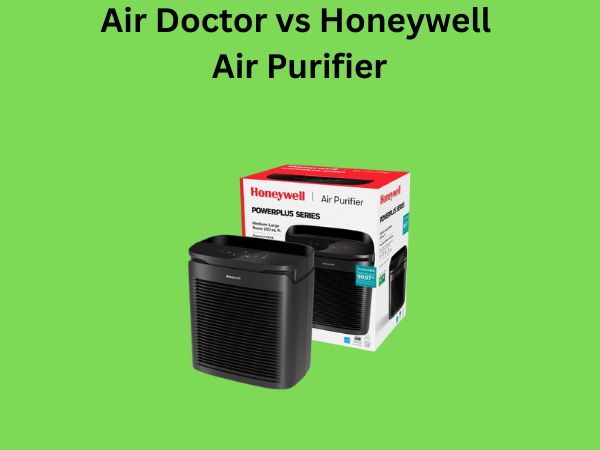
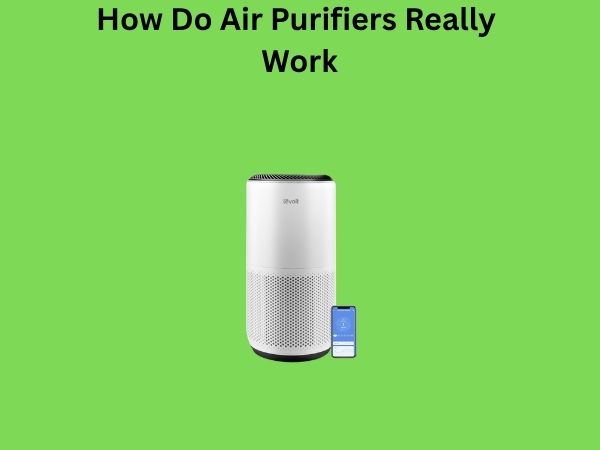
An air purifier works by drawing in the air from your room and passing it through various filtration systems. Depending on the purifier model, it might use one or multiple types of filters to capture different particles and contaminants. The cleaned air is then released back into your room.
Most air purifiers use a combination of filters. The first stage is typically a pre-filter that catches larger particles like dust and pet hair. Then comes the HEPA filter, which is incredibly effective at capturing microscopic particles. Some advanced models also include activated carbon filters to remove odors and volatile organic compounds.
Different Filtration Technologies in Air Purifiers
Understanding the various filtration methods can help you choose the right purifier for your needs:
- HEPA filters: These can capture up to 99.97 percent of particles that are 0.3 microns or larger, including dust, pollen, and pet dander.
- Activated carbon filters: These absorb odors, smoke, and chemicals like formaldehyde and benzene.
- UV light technology: Some purifiers use ultraviolet light to kill bacteria and viruses.
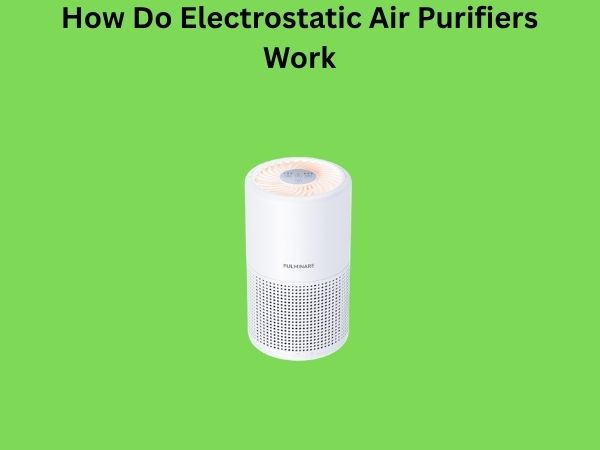
- Ionizers: These release negative ions that attach to particles and cause them to fall out of the air.
- Photocatalytic oxidation: This uses ultraviolet light and a catalyst to break down pollutants at the molecular level.
Key Differences Between Air Diffusers and Purifiers
Purpose and Function
The most fundamental difference is their purpose. A diffuser’s job is to add something pleasant to your air—specifically, aromatic compounds from essential oils. A purifier’s job is to remove harmful things from your air—like dust, allergens, bacteria, and chemical pollutants. They’re really doing opposite jobs in many ways.
What They’re Designed to Handle
Think about what each device is engineered to do. Your air diffuser is designed to disperse fragrance molecules, which are typically safe and actually sometimes beneficial compounds derived from plants. Your air purifier is designed to trap and remove particles that you don’t want in your lungs, like fine dust, mold spores, and allergens.
Maintenance Requirements
Maintenance is another area where these devices differ significantly. A diffuser requires regular cleaning to prevent mold and mineral buildup from the water you use. You’ll want to empty it regularly and wipe down the interior.
An air purifier, on the other hand, requires filter replacements. Depending on your air quality and usage, you might need to replace filters every few months to a year. Some purifiers have washable pre-filters that can extend the life of the more expensive HEPA filters.
Effectiveness at Improving Indoor Air Quality
Can a Diffuser Improve Indoor Air Quality?
Here’s an important truth: an air diffuser cannot remove pollutants from your air. It doesn’t clean anything. However, some people argue that certain essential oils have antimicrobial or antiviral properties that might have minor benefits. But let’s be clear—a diffuser is not a substitute for proper air purification when it comes to actually cleaning your air.
That said, a diffuser can improve the experience of your indoor environment. If you’re struggling with unpleasant odors from cooking or pets, a diffuser can mask those smells with pleasant aromas. Some people find that certain scents like lavender or eucalyptus can have psychological benefits that make them feel more relaxed or focused.
How Effective Are Air Purifiers?
Air purifiers are significantly more effective at actually improving indoor air quality. If you have allergies, asthma, or simply want to reduce the amount of dust and pollutants in your home, a quality air purifier can make a noticeable difference. Studies show that HEPA purifiers can reduce airborne particles by up to 99.97 percent, which is substantial.
However, it’s important to understand that an air purifier only cleans the air that passes through it. The effectiveness depends on several factors, including the size of your room, how often you run the purifier, and the quality of the filters. A purifier working in a 200-square-foot room will be much more effective than the same purifier trying to clean a 1000-square-foot open space.
Health Benefits: Diffusers vs Purifiers
Health Advantages of Using an Air Diffuser
When it comes to health benefits, diffusers work more on an emotional and psychological level. Aromatherapy has been used for centuries, and many people swear by the relaxing or energizing effects of certain scents. Eucalyptus oil might help you feel clearer when you have a cold. Lavender might help you relax at night. Peppermint might boost your focus during work.
Some essential oils do have antimicrobial properties, but the concentration needed to have a real effect on airborne pathogens would be much higher than what a typical diffuser disperses. So while aromatherapy can be enjoyable and might provide some mental health benefits, it’s not a health intervention in the traditional sense.
Health Advantages of Using an Air Purifier
Air purifiers offer more tangible health benefits, especially for people with respiratory issues. If you suffer from allergies, asthma, or other breathing conditions, a quality air purifier can reduce the triggers in your environment. By removing allergens like pollen, pet dander, and dust mites, you might experience fewer symptoms.
For people living in areas with poor outdoor air quality or those with pets or smokers in the household, an air purifier can significantly improve the air you’re breathing every day. It might help you sleep better, breathe easier, and experience fewer respiratory irritations.
Cost Comparison: Which Is More Affordable?
Initial Investment for Air Diffusers
Air diffusers are generally much more affordable upfront. You can find basic diffusers for under $20, with nicer models ranging from $30 to $100. Even premium diffusers rarely exceed a few hundred dollars. This makes them accessible to almost anyone.
Initial Investment for Air Purifiers
Air purifiers represent a larger initial investment. A decent quality purifier that can actually make a difference in your home will typically cost between $100 and $500. High-end models with advanced filtration can cost $1000 or more. This is significantly more than what you’d spend on a diffuser.
Ongoing Costs
While diffusers are cheaper to buy, you need to continuously purchase essential oils. Depending on how often you use your diffuser, you might spend $20 to $50 per month on oils.
Air purifiers require filter replacements, which typically cost $30 to $150 per replacement, depending on the model. If you run your purifier regularly, you might replace filters once every three to six months, meaning an annual cost of $120 to $600 for filters alone, plus the electricity cost of running the device continuously.
Should You Use Both a Diffuser and a Purifier?
Here’s something many people don’t realize: you don’t have to choose between one or the other. Many people find that using both devices together creates the ideal indoor environment.
Think about it this way. Your air purifier handles the heavy lifting of removing harmful particles and pollutants from your air. Your diffuser adds a pleasant aroma that makes your space feel more welcoming and can provide some psychological benefits through aromatherapy. They work toward different goals and don’t interfere with each other.
If you have allergies or respiratory issues, the purifier should be your priority. But if you also enjoy nice scents and the relaxing effects of essential oils, adding a diffuser to your setup won’t hurt anything and might enhance your overall satisfaction with your indoor environment.
Making Your Decision: Factors to Consider
Assess Your Primary Concern
First, ask yourself: what’s your main concern with your indoor air? If you’re dealing with allergies, asthma, or you live in an area with poor air quality, your priority should be a good air purifier. If your main issue is that your space doesn’t smell pleasant or you want the benefits of aromatherapy, a diffuser might be more appropriate.
Consider Your Budget
If money is tight, you could start with a diffuser as it requires less initial investment. However, if improving your actual air quality is important to you, saving up for a decent air purifier will likely provide more meaningful benefits for your health.
Think About Your Space
Consider the size of your room or home. A small bedroom might only need a basic purifier and diffuser combination. A large open-concept living area might require a more powerful purifier or multiple units. A diffuser’s coverage isn’t as much of a concern since it’s more about scent distribution, which spreads more easily.
Evaluate Your Lifestyle
Do you have pets? Do you or anyone in your household smoke? Are there people with allergies or respiratory conditions? These factors should heavily influence your decision toward investing in a quality air purifier.
Tips for Maximizing Indoor Air Quality
Complementary Strategies Beyond Diffusers and Purifiers
Whether you choose a diffuser, a purifier, or both, there are other things you can do to maintain good indoor air quality:
- Open your windows regularly: Fresh outdoor air can help dilute indoor pollutants, even if the outdoor air isn’t perfect.
- Use plants: Certain houseplants can help filter air naturally, though they’re not as effective as a dedicated purifier.
- Clean regularly: Dust and vacuum frequently to reduce the amount of particles accumulating in your space.
- Control humidity: Use a humidifier or dehumidifier to maintain humidity levels between 30 and 50 percent, which discourages mold and dust mites.
- Avoid harsh chemicals: Use natural cleaning products to reduce the number of volatile organic compounds in your home.
- Replace HVAC filters: If your home has central heating and cooling, make sure you’re regularly replacing the filters.
Common Misconceptions About Air Diffusers and Purifiers
Myth: Diffusers Clean the Air
This is the most common misconception. Diffusers do not remove pollutants or clean your air in any way. They only add fragrance to it. If you need actual air cleaning, you need a purifier.
Myth: All Air Purifiers Work the Same Way
Not all purifiers are created equal. Some are much more effective than others depending on their filtration technology and how well they’re designed. Always check the specifications and look for true HEPA certification.
Myth: You Only Need to Run Your Purifier Sometimes
For a purifier to be effective, it needs to run regularly, ideally continuously during hours when you’re home and awake. Running it for just an hour or two won’t make much difference.
Conclusion
So, which improves indoor air quality more—an air diffuser or a purifier? The answer is straightforward: an air purifier is the device that actually improves your indoor air quality by removing harmful particles and contaminants. An air diffuser doesn’t improve air quality at all; instead, it adds pleasant scents to your environment and can provide psychological benefits through aromatherapy.
If you need to choose just one, and your main concern is actually cleaning your air, invest in a quality air purifier. The health benefits, especially for people with allergies or respiratory issues, are significant and well-documented. However, if you enjoy aromatherapy and have the budget, there’s no reason you can’t have both. Many people find that combining a high-quality air purifier with a pleasant diffuser creates the ideal indoor environment—clean air that smells wonderful.
The key is understanding what each device does and choosing based on your specific needs and priorities. Now that you know the differences, you can make an informed decision that will best serve your health and comfort.
Frequently Asked Questions
Can an air diffuser remove dust and allergens from my home?
No, an