Air Dehumidifier vs Air Purifier: What’s the Difference & Which Do You Need?
Have you ever stood in your home and wondered why the air feels thick and uncomfortable, or why you’re constantly sneezing despite keeping everything clean? The truth is, indoor air quality involves multiple factors, and understanding what’s actually bothering you is the first step toward breathing easier. Two devices often get confused in this conversation: air dehumidifiers and air purifiers. While they both improve your living environment, they’re solving completely different problems. Let me walk you through exactly what each one does and help you figure out which one—or perhaps both—you actually need.
Understanding the Basics: What Problems Are We Solving?
Before we dive into the specifics of each device, let’s think about this logically. Your home’s air quality can be compromised in two main ways. First, the air might contain unwanted particles like dust, pollen, pet dander, smoke, or harmful gases. Second, the air might contain too much moisture, creating an environment where humidity levels become uncomfortable or even dangerous. Think of it like this: one device is a bouncer checking ID at the door, while the other is managing the temperature in the club. Both are important, but they’re doing completely different jobs.
The Role of Moisture in Your Home
Humidity is tricky because you need some of it—around 30 to 50 percent is ideal for most homes. But when humidity climbs above that sweet spot, things get problematic. High moisture levels create the perfect breeding ground for mold, mildew, dust mites, and various allergens. Your walls might develop water stains, your basement could smell musty, and you might notice that your allergies or asthma symptoms get worse during humid months.
The Role of Airborne Pollutants
On the flip side, airborne contaminants are particles and gases floating around in your environment. These include everything from visible dust to microscopic pollutants like volatile organic compounds (VOCs), smoke particles, and bacteria. An air purifier specifically targets these unwanted particles and neutralizes or removes them from the air you’re breathing.
What Exactly Is an Air Dehumidifier?
An air dehumidifier is essentially a device that removes excess moisture from the air in your home. Imagine it as a moisture vacuum cleaner. It pulls humid air through its system, cools the air to condense the water vapor into liquid form, and then drains that water away. The dried air is then released back into your room, leaving you with a more comfortable environment.
How Dehumidifiers Actually Work
Most dehumidifiers operate using a refrigeration cycle. Here’s what happens inside: warm, moist air enters the device and passes over cold coils. This sudden temperature drop causes the moisture in the air to condense, much like how water droplets form on a cold window on a humid day. That condensed water drips into a collection tank or drainage system, while the now-dry air passes over warm coils before being released back into your room.
- The moisture gets collected in a removable tank
- Some models can drain continuously through a hose
- The dried air is circulated back into your living space
- Humidity levels gradually decrease over time
When You Need a Dehumidifier
You should consider getting a dehumidifier if you notice any of these situations in your home:
- Visible mold or mildew growth on walls, ceilings, or bathroom tiles
- A musty smell in basements or crawl spaces
- Windows that constantly fog up or have condensation
- Sticky or clammy feeling in certain rooms
- Increased allergy or asthma symptoms during humid seasons
- Damp spots on walls or ceiling stains
- Your home feels uncomfortable even though the temperature is fine
What Exactly Is an Air Purifier?
An air purifier is your home’s defense system against airborne contaminants. It actively filters the air, removing particles and pollutants that you’re breathing in. Think of it as a gatekeeper that scrutinizes everything floating in your air and decides what’s allowed to pass through.
How Air Purifiers Work
Air purifiers typically use several filtration technologies working together. The most common approach involves a multi-stage filtration system. First, a pre-filter catches large particles like dust and hair. Next, a HEPA filter (High-Efficiency Particulate Air filter) traps microscopic particles down to 0.3 microns in size. Many modern purifiers also include activated carbon filters to eliminate odors and harmful gases.
- Pre-filters capture larger particles like dust and pet hair
- HEPA filters remove microscopic pollutants and allergens
- Activated carbon filters absorb odors and chemical gases
- Some models include UV-C light or ionization technology for additional purification
- Clean air is circulated back into your room multiple times per hour
When You Need an Air Purifier
An air purifier becomes essential when you’re dealing with airborne contaminants. Here are the situations where you’d benefit most:
- You have pets and struggle with pet dander and odors
- Anyone in your home has allergies or asthma
- You live in an area with outdoor air pollution or wildfire smoke
- You smell cooking odors, smoke, or chemical smells lingering in your home
- You have respiratory sensitivities or health conditions
- You want to remove VOCs from new furniture or paint
- Someone in your home smokes or you’re exposed to secondhand smoke
Key Differences Between the Two Devices
What They Target
This is the fundamental difference. A dehumidifier targets moisture and humidity levels. An air purifier targets particles and chemical contaminants. They’re addressing entirely different air quality issues, which is why they’re not interchangeable.
Effectiveness and Performance
Dehumidifiers are measured by how many pints of moisture they can extract from the air per day. Larger dehumidifiers can remove 50 to 70 pints daily, while smaller units might only remove 20 to 30 pints. Air purifiers are measured by their CADR (Clean Air Delivery Rate) rating, which indicates how quickly they can filter air in a room of a given size.
Room Coverage
Both devices work best in specific room sizes. A small dehumidifier might handle a bedroom, while a large one could cover a basement or large living area. Similarly, air purifiers come in various sizes designed for everything from small bedrooms to entire homes.
Maintenance Requirements
Dehumidifiers need regular emptying of their water collection tanks (unless they have continuous drainage) and occasional cleaning. Air purifiers require filter replacements every 6 to 12 months depending on usage and air quality. The filters can be expensive, so this is an ongoing cost to consider.
Noise Levels
Both devices generate noise, but they operate at different volume levels. Dehumidifiers tend to be somewhat quieter, running at around 50 to 60 decibels. Air purifiers can range from 25 decibels (very quiet) to 70 decibels (noticeably loud) depending on the model and fan speed.
Do You Need One, the Other, or Both?
Signs You Need Just a Dehumidifier
If your main complaint is dampness, moisture, and the problems that come with it, a dehumidifier alone might be your answer. You’re dealing with a humidity problem, not an air quality problem. Perhaps you live in a coastal area, your basement is naturally damp, or your climate is simply humid. In these cases, a good dehumidifier will significantly improve your comfort level and protect your home from moisture damage.
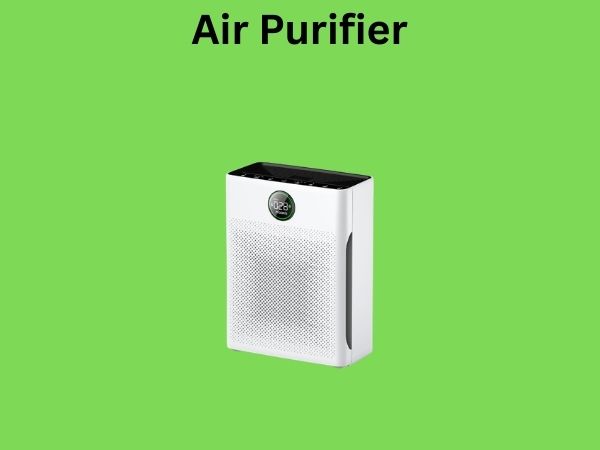
Signs You Need Just an Air Purifier
If you’re dealing with allergies, pet dander, smoke, odors, or you live in an area with outdoor pollution, but your humidity levels are normal, then an air purifier is your solution. Your air quality problem isn’t about moisture—it’s about contaminants. A purifier will help you breathe easier without affecting humidity levels.
Signs You Need Both Devices
Many people benefit from using both devices simultaneously. If you have high humidity AND air quality concerns like allergies or pets, or if you live in a climate that’s both humid and polluted, then combining both devices makes sense. They work independently, so using them together addresses multiple air quality factors without any conflict.
Assessing Your Specific Situation
Here’s how to figure out what you actually need. Start by honestly evaluating your air quality complaints. Are you primarily bothered by dampness and musty smells? That’s humidity. Are you sneezing, coughing, or smelling stale odors? That’s contaminants. Many people actually have both issues happening simultaneously, which is why the combination approach works so well.
Cost Considerations and Budget Planning
Dehumidifier Costs
Quality dehumidifiers range from around $200 for smaller units to $500 to $700 for larger, more powerful models. Window-mounted units might cost a bit less, while basement dehumidifiers designed for heavy-duty moisture removal sit at the higher end. Your ongoing costs are minimal—mainly just electricity and occasional cleaning supplies.
Air Purifier Costs
Air purifiers vary wildly in price. You can find basic models for $150 to $300, mid-range quality purifiers for $400 to $800, and premium systems for $1,000 or more. However, the real ongoing cost comes from filter replacements, which can run $50 to $150 every 6 to 12 months depending on the model and your air quality.
Long-Term Investment
Think about your long-term needs and budget. A dehumidifier is generally a one-time investment with minimal ongoing costs. An air purifier requires regular filter replacements, so factor that into your decision. Some people decide to invest in both because the combined benefit justifies the expense.
Installation and Placement Tips
Where to Place Your Dehumidifier
Dehumidifiers work best when placed in the area with the most moisture—usually basements, bathrooms, or laundry rooms. Keep it away from walls and ensure there’s at least 6 inches of space around it for proper air circulation. If you have multiple problem areas, you might need more than one unit or a larger centralized dehumidifier.
Where to Place Your Air Purifier
Air purifiers should be placed in rooms where you spend the most time, particularly bedrooms for nighttime air quality. Keep it away from corners and walls for optimal air circulation. Some people use multiple purifiers in different rooms, while others use one larger unit in a central location. Avoid placing it right next to furniture or curtains that might block airflow.
Common Mistakes People Make
Many homeowners make decisions about these devices without fully understanding their purposes. The most common mistake is buying an air purifier thinking it will solve humidity problems, or buying a dehumidifier expecting it to eliminate allergies. Another frequent error is choosing a device that’s too small for the space—you’ll waste money on a device that can’t effectively handle your situation.
People also often neglect maintenance. A dehumidifier with a clogged filter or full tank won’t work effectively, and an air purifier with old filters is essentially just pushing air around without cleaning it. Staying on top of maintenance is crucial for both devices.
Environmental and Health Impacts
Health Benefits of Lower Humidity
Using a dehumidifier to maintain proper humidity levels can significantly improve your health. Lower humidity reduces mold spores, dust mites, and other allergens that thrive in damp environments. If you suffer from asthma or allergies, this alone can make a noticeable difference in how you feel.
Health Benefits of Cleaner Air
Air purifiers directly improve respiratory health by removing airborne pollutants. Studies have shown that homes with quality air purification have lower rates of respiratory issues and allergies. If anyone in your home has asthma or respiratory sensitivity, a purifier can be genuinely life-changing.
Making Your Final Decision
Choosing between these devices comes down to identifying your specific air quality problem. Ask yourself: what’s bothering me most about my home’s air quality? Is it the dampness and mustiness, or is it allergens and odors? Once you’ve answered that question honestly, your path forward becomes clear.
If you’re still unsure, consider getting your home’s humidity level measured (a simple hygrometer costs less than $20) and paying attention to your allergy symptoms. These observations will guide you toward the right solution.
Conclusion
Air dehumidifiers and air purifiers are both valuable tools for improving indoor air quality, but they address completely different issues. A dehumidifier removes excess moisture from your air, preventing mold growth and reducing humidity-related discomfort. An air purifier filters out airborne contaminants like dust, pollen, pet dander, and harmful chemicals, helping you breathe cleaner air. Neither device is universally better than the other—the right choice depends entirely on what’s actually bothering your home’s air quality. Some people benefit from using just one device, while others find that combining both creates the ideal indoor environment. Take time to assess your specific situation, consider your budget, and invest in the solution that addresses your actual needs. Your lungs—and your peace of mind—will thank you.
Frequently Asked Questions
Can an air purifier remove humidity from the air?
No, air purifiers cannot remove humidity. They’re designed to filter particles and contaminants, not to address moisture levels. If you’re experiencing high humidity problems, you need a dehumidifier. An air purifier will improve the quality of the air you’re breathing, but it won’t dry out damp environments or reduce humidity percentages.
Can a dehumidifier clean the air of pollutants?
A dehumidifier does not clean air of pollutants in the way an air purifier does. While removing moisture might indirectly reduce some mold spores and dust mites that thrive in humid conditions, it doesn’t actively filter out particles, allergens, or chemical contaminants like an air purifier does. For actual air purification, you need a dedicated air purifier.
How do I know if my home has too much humidity?
You can measure humidity using a hygrometer, which costs $15 to $30 and is available at most hardware stores. Ideally, indoor humidity should be between 30 and 50 percent. If your hygrometer reads above 50 percent and you notice condensation on windows, musty smells, or visible mold, you definitely have a humidity problem that a dehumidifier can help solve.
What’s the best room to place an air purifier in?
Air purifiers are most beneficial in rooms where you spend significant time, especially your bedroom. Since you spend about 8 hours per night sleeping, having clean air while you rest makes a real difference in your health