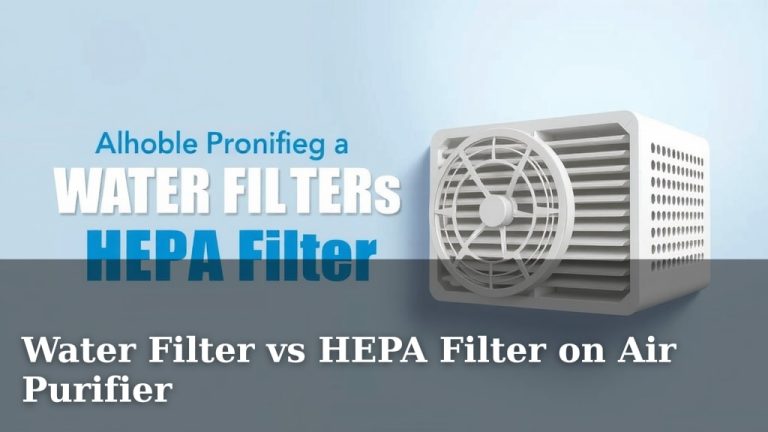
Cool Mist Humidifier vs Air Purifier: Need?
Deciding between a cool mist humidifier and an air purifier depends on your primary concern: dry air or airborne pollutants. If your main issue is dry air causing discomfort, a humidifier adds moisture. If you’re battling allergens and odors, an air purifier cleans your air.
We found that these devices serve distinct purposes, though they both aim to improve your indoor environment. A humidifier is for moisture levels, while an air purifier tackles air quality by filtering out particles. Understanding this core difference helps you choose the right tool for your needs.
- Humidifiers add moisture to dry air.
- Air purifiers remove pollutants like dust and allergens.
- They address different indoor air quality problems.
- Choosing depends on whether dry air or dirty air is your main concern.
So, which one is right for your home? Let’s break down the key differences to help you make the best choice for your comfort and health.
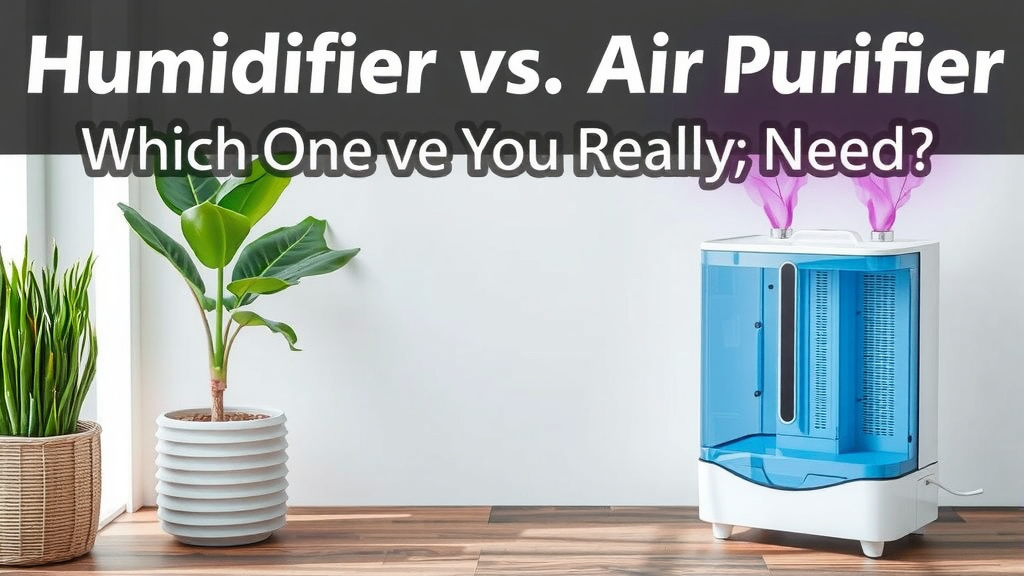
Humidifier vs. Air Purifier: Which One Do You Really Need?
Deciding between a humidifier and an air purifier can feel like a tough choice. Both can make your home feel better. But they do very different jobs. We found that understanding their main functions is key. One adds moisture. The other cleans the air. Let’s figure out which one fits your home’s needs best.
Understanding Your Home’s Air: Moisture vs. Purity
Your home’s air has two main qualities we often talk about: its moisture level and its purity. These are separate issues, and that’s where humidifiers and air purifiers come in. Think of it like your body needing both water and clean food. You can’t get one from the other.
What Does a Humidifier Do For You?
A humidifier’s sole purpose is to add moisture to the air. When the air in your home is too dry, it can lead to uncomfortable symptoms. Dry air can make your skin feel itchy and your throat scratchy. It can also dry out your nasal passages, making you more prone to colds and sinus infections (Cleveland Clinic).
Cool mist humidifiers are popular because they are generally safe and energy-efficient. They work by drawing in dry air and passing it over a wick filter that has absorbed water. Then, a fan blows the moistened air back into the room. This process increases the humidity. You’ll notice a difference in how the air feels.
When Is a Humidifier Your Best Bet?
You should consider a humidifier if you experience any of these common signs of dry air:
- Dry, itchy skin, especially in winter.
- Chapped lips that just won’t heal.
- A sore throat or dry cough, particularly when you wake up.
- Sinus congestion or frequent nosebleeds.
- Static electricity shocks more often.
- Cracks appearing in your wooden furniture or floors.
What Does an Air Purifier Do For You?
An air purifier’s job is to remove pollutants from the air. It’s like a powerful vacuum cleaner for the air in your home. These devices pull air in and pass it through a series of filters. These filters trap tiny particles you can’t see, like dust, pollen, pet dander, mold spores, and even smoke particles.
The most common type of filter is a HEPA (High-Efficiency Particulate Air) filter. We found that HEPA filters are very effective. They can capture at least 99.97% of airborne particles as small as 0.3 microns. This is incredibly tiny! Many air purifiers also have activated carbon filters to help reduce odors and gases.
When Is an Air Purifier Your Best Bet?
An air purifier is your friend if you’re dealing with issues like:
- Allergies: Pollen, dust mites, and pet dander are common triggers.
- Asthma: Removing irritants can help ease breathing.
- Bad odors: Cooking smells, pet odors, or smoke can be trapped.
- General air quality concerns: You want to reduce airborne germs and dust.
- Living in an area with poor outdoor air quality.
Key Differences at a Glance
To make it super clear, let’s put the main differences side-by-side. This will help you quickly see which device addresses your specific problem.
| Feature | Cool Mist Humidifier | Air Purifier |
|---|---|---|
| Primary Function | Adds moisture to dry air | Removes airborne pollutants |
| What it Solves | Dryness, static, dry throat, cracked skin | Allergens, dust, odors, smoke, pet dander |
| How it Works | Evaporates water into the air | Filters particles from the air |
| Main Benefit | Increased comfort from dry conditions | Cleaner, healthier breathing air |
| Does it Filter? | No (some have pre-filters for dust) | Yes (HEPA, carbon, etc.) |
| Does it Add Moisture? | Yes | No |
Can You Use Both? Absolutely!
It’s important to know that these devices are not mutually exclusive. Many homes can benefit from having both a humidifier and an air purifier. We found that using both is common for people with severe allergies or multiple air quality concerns.
For example, imagine you live in a dry climate and also have a cat. Your air might be too dry (needing a humidifier) and also full of pet dander (needing an air purifier). In this situation, using both devices would address both problems effectively. You’d get the comfort of added moisture and the health benefits of cleaner air.
Making the Right Choice for Your Home
So, how do you make the final decision? It really comes down to identifying your main pain point. Ask yourself:
- “Is the air in my home consistently too dry, causing physical discomfort?”
- “Do I often struggle with allergies, dust, or odors that make my home feel less than fresh?”
If dry air is your primary concern, a humidifier is likely what you need. If airborne irritants and pollutants are bothering you, an air purifier should be your focus. Sometimes, a doctor might even recommend both for specific health conditions. We found that a simple hygrometer (a device that measures humidity) can tell you if your home’s humidity is too low.
Quick Checklist: Do You Need a Humidifier or Air Purifier?
Here’s a quick way to check your needs:
- Check your skin: Is it often dry and itchy?
- Check your throat: Do you wake up with a scratchy throat?
- Check your nose: Do you get frequent nosebleeds or sinus issues?
- Check for allergens: Do you sneeze a lot indoors, especially around pets or dust?
- Check for odors: Are there persistent smells you’d like gone?
- Check the air feel: Does the air just feel “stale” or irritating?
If you answered “yes” mostly to the dry air symptoms, lean towards a humidifier. If you answered “yes” mostly to the allergen and odor symptoms, an air purifier is probably your better choice. And remember, you can always use both!
Conclusion
Ultimately, your decision between a cool mist humidifier and an air purifier comes down to your unique home environment and personal comfort. If dry air is making your skin crack and your throat scratchy, adding moisture with a humidifier is your best bet. On the other hand, if allergens, dust, or lingering odors are the culprits behind your discomfort, an air purifier will offer the relief you need by cleaning the air you breathe. We found that understanding these distinct functions is the key to making the right choice for your well-being. Take a moment to assess your symptoms and make the purchase that will truly improve your indoor air.
Frequently Asked Questions
Can I use a humidifier and an air purifier at the same time?
Absolutely! Many people benefit from using both devices, especially those with multiple air quality concerns like dry climates combined with pet dander or allergies. Using them together addresses both dryness and airborne pollutants simultaneously.
Will a humidifier help with my allergies?
Generally, no. A humidifier adds moisture to the air to combat dryness. While comfortable humidity levels can help soothe irritated airways, it doesn’t remove allergens like pollen or dust mites. That’s the job of an air purifier.
Will an air purifier make my air less dry?
No, an air purifier does not add moisture to the air. Its primary function is to filter out pollutants. If your air is dry, an air purifier won’t change the humidity level; you’ll still need a humidifier for that.
How do I know if my air is too dry?
You can tell if your air is too dry by experiencing symptoms like dry, itchy skin, chapped lips, a scratchy throat, frequent nosebleeds, or increased static electricity. You can also use a hygrometer to measure the actual humidity level in your home.
Which is better for a baby’s room, a humidifier or an air purifier?
It depends on the need. For dry air that might irritate a baby’s delicate skin and respiratory system, a humidifier is beneficial. If the baby suffers from allergies or the room has dust concerns, an air purifier would be more appropriate for cleaner air.