Air Sanitizer vs Air Purifier: Which to Use?
When breathing easier is the goal, you might wonder if an air sanitizer or an air purifier is the right choice. While both help clean your air, they work differently. An air purifier is generally better for most homes as it physically removes particles from the air, whereas an air sanitizer may release chemicals or ozone. Your best bet depends on what you’re trying to achieve with your indoor air quality.
Many people are looking to improve the air they breathe at home. This often involves tackling common irritants like dust, pollen, and pet dander. Understanding the difference between sanitizers and purifiers is key to making an informed decision. We found that knowing their core functions helps you pick the device that best suits your needs for a healthier living space.
- Air purifiers trap particles.
- Air sanitizers may release chemicals.
- Purifiers are generally safer for daily use.
- Consider your main air quality concerns.
Let’s walk through the key differences and help you decide which device is the right fit for your home.
Choosing Between Air Sanitizers and Air Purifiers for Your Home
Navigating the world of air quality devices can feel a bit overwhelming. You’re likely looking for that crisp, clean air feeling in your home. You might be wondering if an air sanitizer or an air purifier is the way to go. While both aim to improve your indoor air, they do so in very different ways. We found that understanding these differences is key to picking the right one for your specific needs.
How Air Purifiers Work: Trapping the Unwanted
An air purifier is designed to physically remove particles from your air. Think of it like a super-powered vacuum cleaner for your air. These devices pull air through a series of filters. The most important filter is usually a HEPA filter. HEPA stands for High-Efficiency Particulate Air. These filters are designed to capture tiny particles.
The Role of Filters in Air Purification
Different filters handle different types of pollutants. A HEPA filter is excellent for trapping microscopic bits. This includes things like dust mites, pollen, pet dander, and mold spores. Many purifiers also include activated carbon filters. These are great for absorbing odors. They can take care of smells from cooking, pets, or even smoke.
Benefits of Using an Air Purifier Daily
Using an air purifier regularly can make a noticeable difference. You might find yourself sneezing less. Allergy symptoms can often improve. For households with pets, it can help manage dander. If you live in an area with poor outdoor air quality, a purifier can bring some relief indoors. Many experts recommend them for improving overall indoor air quality (Cleveland Clinic).
What Air Purifiers *Don’t* Do
It’s important to note what purifiers don’t typically do. They don’t usually kill or neutralize germs. Their primary job is to capture and contain. They rely on physical filtration to clean the air. This makes them a safe choice for continuous operation.
Understanding Air Sanitizers: Targeting Microbes
Air sanitizers take a different approach. Instead of trapping particles, they aim to kill or inactivate microorganisms. This can include bacteria and viruses. They often use methods like UV light, ozone, or other chemical processes. The goal is to reduce the number of airborne germs.
Common Technologies in Air Sanitizers
One common method is using UV-C light. This type of ultraviolet light is known to damage the DNA of microorganisms. Another method involves releasing ozone. Ozone can react with pollutants and microbes. Some sanitizers might also release specific chemicals or ions. We found that the technology used greatly impacts how effective and safe the device is.
Potential Concerns with Certain Sanitizer Technologies
Some air sanitizing technologies come with potential drawbacks. For instance, ozone generators can release ozone gas. While ozone can kill germs, it can also irritate your lungs. High levels of ozone are not considered healthy. Many health organizations advise caution with ozone-producing devices. The U.S. Environmental Protection Agency (EPA) has raised concerns about ozone’s impact on respiratory health.
When Might an Air Sanitizer Be Considered?
In certain situations, an air sanitizer might be considered. This could be in spaces where there’s a high concern about airborne pathogens. Think of specific medical or research environments. For typical home use, the risks associated with some sanitizing technologies need careful consideration. Many experts suggest that for general home air quality, purifiers are often the better, safer option.
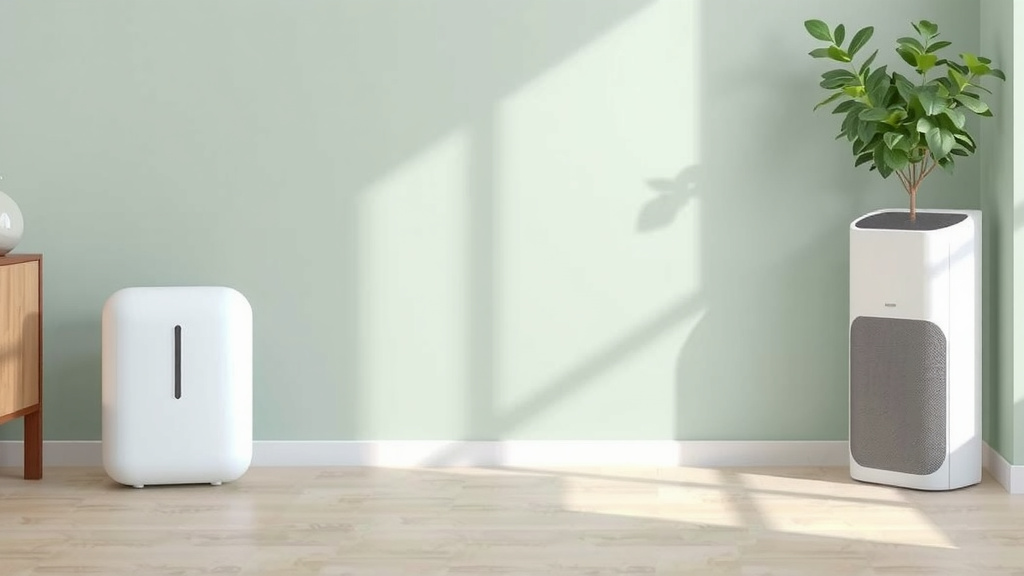
Air Purifier vs. Air Sanitizer: A Direct Comparison
Let’s break down the key differences side-by-side. This can help you see which fits your home’s needs. The primary distinction lies in their mechanism of action.
| Feature | Air Purifier | Air Sanitizer |
|---|---|---|
| Primary Goal | Remove particles (dust, pollen, dander) | Kill or inactivate microorganisms (germs, viruses) |
| How it Works | Physical filtration (HEPA, carbon filters) | UV light, ozone, chemical reactions |
| Effectiveness Against | Allergens, dust, odors | Bacteria, viruses (depending on technology) |
| Potential Side Effects | Minimal; filter replacement needed | Ozone release, potential respiratory irritation (with some models) |
| Best For | Daily use, allergy sufferers, general air cleaning | Specific situations targeting germs (use with caution) |
Safety and Daily Use: What the Experts Say
When it comes to daily operation in your home, safety is a top priority. Air purifiers are generally considered safe for continuous use. They don’t release anything harmful into the air. You just need to replace the filters periodically. This ensures they keep working effectively. Some sanitizers, particularly those that produce ozone, might not be recommended for constant use. Always follow the manufacturer’s guidelines and research any safety certifications.
Cost and Maintenance Considerations
Both devices require some level of maintenance. Air purifiers need filter replacements. The frequency depends on the model and your air quality. Sanitizers might need bulb replacements (for UV) or cleaning. We found that the ongoing costs, especially for filters, are a factor to consider.
Making Your Decision: What’s Right for You?
So, which one should you choose? We found that most households benefit most from an air purifier. They address common irritants that affect many people daily. If your main concerns are dust, pollen, pet dander, or everyday odors, a purifier is likely your best bet. It provides consistent air cleaning without potential health risks.
When a Purifier is Your Go-To Choice
Consider an air purifier if you or someone in your household suffers from allergies or asthma. If you have pets, a purifier can significantly reduce dander and odors. If you live near a busy road or in an area with pollution, it can help clean your indoor air. Basically, for general home air improvement, purifiers are a solid choice.
When to Be Cautious About Sanitizers
Air sanitizers might be considered in very specific scenarios. Perhaps after illness, or in environments where germ control is paramount. However, for everyday living, you need to be very careful. Research the specific technology used. Ensure it’s been certified as safe for home use. Many consumer advocates suggest avoiding devices that intentionally release ozone.
Your Home Air Quality Checklist
To help you decide, ask yourself these questions:
- What are my main air quality concerns? (e.g., dust, allergies, odors, germs)
- How sensitive is my household to air quality issues?
- Am I looking for daily air improvement or targeted germ reduction?
- What is my budget for the device and ongoing maintenance?
- Am I comfortable with potential side effects like ozone?
- Do I want a device for continuous operation or occasional use?
By considering these points, you can make an informed decision. We found that a good air purifier often provides the most consistent benefits for a healthier home environment.
Conclusion
When choosing between an air sanitizer and an air purifier for your home, remember their core differences. Air purifiers physically trap particles like dust and pollen, making them ideal for daily use and allergy relief. Air sanitizers aim to kill germs but can sometimes introduce risks like ozone. For most households seeking cleaner, healthier air day-to-day, an air purifier is your safest and most effective choice. We found that understanding your primary air quality concerns is the first step. Next, research models that fit your needs and budget, and prioritize safety for your loved ones.
Frequently Asked Questions
Are air purifiers safe to run all the time?
Yes, air purifiers are generally safe for continuous operation. They work by physically filtering the air and do not release harmful substances. Just be sure to replace the filters as recommended by the manufacturer to maintain effectiveness.
Can an air purifier get rid of viruses and bacteria?
While air purifiers are excellent at removing allergens and particles that can carry germs, they don’t typically kill or neutralize them. Their primary function is physical removal, not inactivation of microorganisms.
What’s the main difference in how they clean the air?
The main difference is their mechanism. Air purifiers use filters, like HEPA, to physically trap particles. Air sanitizers aim to kill germs using methods such as UV light or by releasing ozone.
Is ozone from an air sanitizer harmful to my health?
Ozone can be harmful, especially at higher concentrations. It can irritate your lungs and respiratory system. Many health organizations advise caution with devices that intentionally produce ozone, recommending purifiers as a safer alternative for home use.
Which device is better for pet owners and allergy sufferers?
For pet owners and those with allergies, an air purifier is generally the better choice. It effectively captures pet dander, fur, and common allergens like pollen and dust mites, providing significant relief for sensitive individuals.