Air Purifier vs Air Dehumidifier: Need Which?
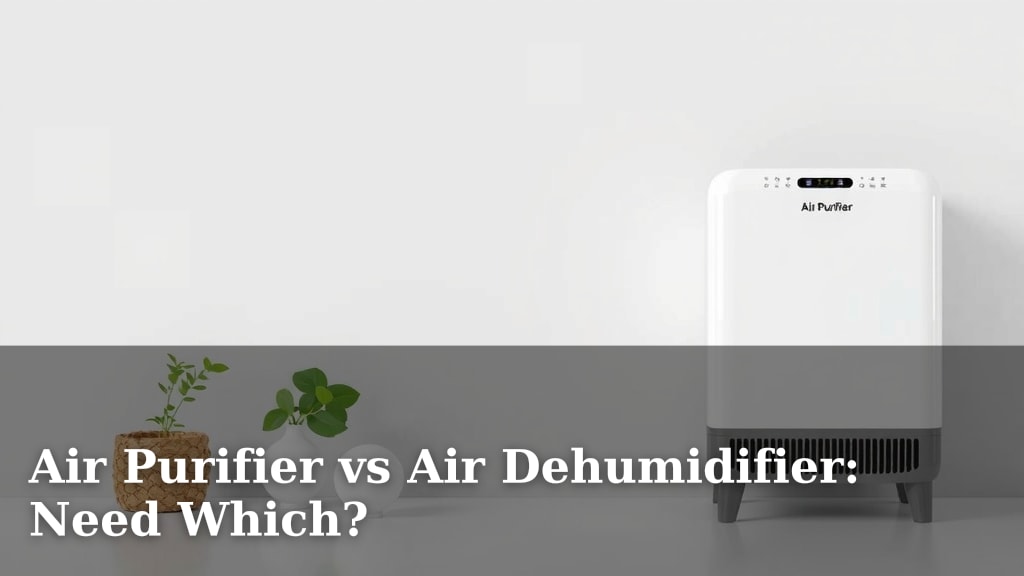
Deciding between an air purifier and an air dehumidifier depends on your main concern: air quality or humidity levels. If your goal is cleaner air, free from allergens and pollutants, an air purifier is your answer. If you’re battling excess moisture and its related problems like mold, a dehumidifier is what you need. They address very different home comfort issues.
While both devices operate within your home’s air system, their functions are distinct. An air purifier removes particles like dust, pollen, and smoke from the air. A dehumidifier, on the other hand, removes water vapor, making the air feel less sticky and preventing dampness. Understanding this key difference helps you choose the right tool for your specific problem.
Here’s a quick rundown:
- Air purifiers clean the air of pollutants.
- Dehumidifiers remove excess moisture.
- They solve different home comfort issues.
- Think about what bothers you more: stuffy air or damp air.
Let’s dive deeper into how each works and which one is the right fit for your home environment.
Air Purifiers Versus Dehumidifiers: What’s the Difference and What Do You Need?
Choosing between an air purifier and a dehumidifier can feel confusing. You might wonder if one can do the job of the other. The truth is, they tackle entirely different problems in your home’s air. Think of them as specialized tools. An air purifier is like a vacuum cleaner for your air. It sucks up tiny particles you can’t see. A dehumidifier is more like a sponge for moisture. It pulls excess water vapor out of the air.
So, you’re probably asking yourself, “Which one is right for *me*?” The answer really depends on what you’re trying to achieve. Are you dealing with sneezing fits and stuffy noses? Or is your home always feeling a bit clammy, with that tell-tale musty smell? Let’s break down what each device does and how to figure out which one will make your home more comfortable.
How Air Purifiers Clean Your Home’s Air
Air purifiers are designed to improve your indoor air quality. They work by passing the air in your room through a series of filters. These filters trap microscopic particles. This process removes things like dust, pet dander, pollen, mold spores, and even smoke particles. Many purifiers use a HEPA filter, which is highly effective. Research suggests that HEPA filters can capture at least 99.97% of airborne particles 0.3 microns in size (CDC).
If you or someone in your household suffers from allergies or asthma, an air purifier can be a game-changer. It can help reduce triggers that cause sneezing, coughing, and wheezing. It also helps clear out odors from cooking or pets. You might notice a difference in how fresh the air feels very quickly.
The Role of Different Filter Types
Different purifiers use various types of filters to achieve cleaner air:
- Pre-filters: These catch larger particles like hair and lint. They help protect the main filters and extend their lifespan.
- HEPA Filters: As mentioned, these are the workhorses for fine particles. They are essential for capturing allergens and microscopic irritants.
- Activated Carbon Filters: These filters are excellent at absorbing odors and gases. They are great for tackling smoke, cooking smells, and pet odors.
- UV-C Lights: Some purifiers include UV-C light technology. This can help neutralize airborne bacteria and viruses. However, their effectiveness can vary greatly depending on the model and exposure time.
When an Air Purifier is Your Best Bet
You should consider an air purifier if you experience:
- Frequent allergy symptoms like sneezing, itchy eyes, or a runny nose.
- Asthma flare-ups that seem linked to indoor air quality.
- Concerns about pet dander or odors in your home.
- Living in an area with high outdoor pollution or smoke.
- You smoke indoors or have someone who does.
Understanding the Function of Dehumidifiers
A dehumidifier’s primary job is to reduce the amount of moisture in your home’s air. If you’ve ever felt that sticky, uncomfortable feeling on a summer day, even when the temperature isn’t that high, a dehumidifier can help. High humidity levels can make your home feel warmer than it is. They also create an environment where mold and mildew thrive (EPA).
Dehumidifiers work by drawing in moist air. Inside the unit, the air passes over a cold coil. This causes the water vapor in the air to condense into liquid water. This water is then collected in a tank or drained away through a hose. The drier air is then released back into the room. You’ll need to empty the water tank regularly, or set up a continuous drain if possible.
What High Humidity Can Do to Your Home
Living with high humidity isn’t just uncomfortable. It can cause real problems:
- Mold and Mildew Growth: This is perhaps the biggest concern. Mold can damage your home’s structure and, more importantly, affect your health.
- Dust Mites: These tiny creatures love humid environments and are a common allergen.
- Musty Odors: That damp, unpleasant smell often indicates a humidity problem.
- Damage to Belongings: High moisture can damage wooden furniture, electronics, and even books.
- Warped Surfaces: Wood can swell and warp, and paint can peel in very damp conditions.
When a Dehumidifier is the Right Solution
A dehumidifier is likely what you need if you notice:
- A persistent damp or musty smell in your home.
- Condensation on windows or walls, especially during cooler months.
- Mold or mildew spots appearing in bathrooms, basements, or closets.
- Your basement or crawl space feels particularly damp or clammy.
- Sticky, uncomfortable air, even at moderate temperatures.
- Clothes taking a long time to dry indoors.
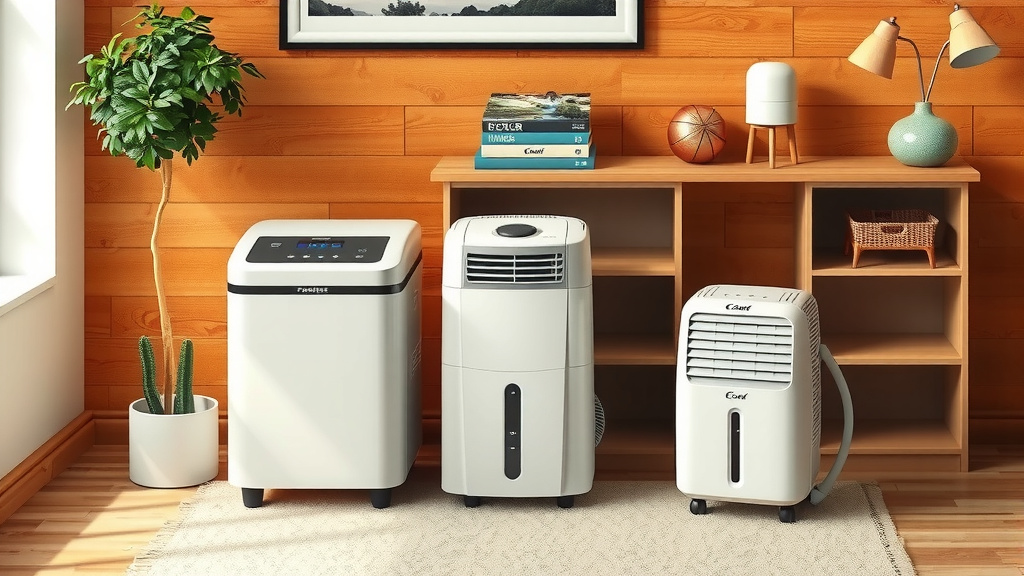
Air Purifier vs. Dehumidifier: Which Solves Your Problem?
It’s clear that these devices target different issues. An air purifier cleans the air, while a dehumidifier manages moisture. They are not interchangeable, and one won’t replace the function of the other. To decide, you really need to identify the primary problem you’re facing.
Let’s put it this way: If you’re worried about breathing in dust and allergens, get an air purifier. If you’re worried about water damage and mold, get a dehumidifier. Sometimes, you might even need both!
Can One Device Do Both Jobs?
Generally, no. While some air purifiers might have a very minor impact on overall humidity by circulating air, they are not designed to remove significant amounts of moisture. Similarly, while dehumidifiers do move air, their filtration systems are usually very basic and not designed to capture the fine particles that an air purifier targets. They might catch some larger dust particles, but they won’t provide the air cleaning benefits of a dedicated purifier.
There are some rare, specialized units that attempt to combine functions, often called “air conditioner/dehumidifier” or “air treatment systems.” However, in most cases, they do not perform either function as well as a standalone unit. For optimal results, it’s best to use devices designed for their specific purpose. Many experts recommend separate units for effective air quality and humidity control (Mayo Clinic).
Making Your Choice: A Quick Checklist
To help you decide, ask yourself these questions:
- Do I often sneeze or feel congested indoors? (If yes, lean towards an air purifier).
- Does my home feel consistently damp or sticky, even when it’s not hot? (If yes, lean towards a dehumidifier).
- Do I see or smell mold or mildew? (This strongly suggests a dehumidifier is needed).
- Are my allergies or asthma symptoms worse inside? (An air purifier is likely beneficial).
- Does my basement or garage feel excessively damp? (A dehumidifier is probably your answer).
- Do I want to reduce odors from pets or cooking? (An air purifier with a carbon filter is ideal).
| Feature | Air Purifier | Dehumidifier |
|---|---|---|
| Primary Function | Removes airborne particles (dust, pollen, allergens, smoke) | Removes excess moisture from the air |
| Problem Solved | Poor air quality, allergies, asthma triggers, odors | High humidity, mold, mildew, musty smells, dampness |
| How It Works | Filters air through HEPA, carbon, etc. | Condenses water vapor from the air onto cold coils |
| Visible Result | Cleaner, fresher-smelling air | Lower humidity levels, drier air |
| Maintenance | Filter replacement/cleaning | Emptying water tank or managing drainage |
Conclusion
You’ve learned that air purifiers and dehumidifiers serve distinct, vital roles in your home. An air purifier tackles airborne irritants like dust and pollen, directly improving air quality for allergy and asthma sufferers. A dehumidifier, conversely, targets excess moisture, preventing mold growth and that unwelcome musty smell. Your decision hinges on whether your primary concern is breathing cleaner air or managing dampness.
If you’re still unsure, think about your most persistent discomforts. Do you sneeze indoors more than you’d like? Or does your home just feel perpetually clammy? Identifying your main problem is your first step toward a more comfortable living space. Consider which device will offer the most immediate relief and address the core issue in your environment.
Frequently Asked Questions
Can an air purifier help with humidity?
Generally, no. Air purifiers are designed to filter particles from the air, not to remove water vapor. While circulating air can slightly affect humidity, they won’t significantly lower high moisture levels like a dehumidifier can.
Will a dehumidifier make my air cleaner?
A dehumidifier primarily removes moisture. While it might catch some larger dust particles, its filtration is not designed to capture the fine allergens and pollutants that an air purifier targets. You won’t get the same air-cleaning benefits.
Do I need both an air purifier and a dehumidifier?
It’s possible! If you have both allergy concerns and issues with high humidity (like mold or dampness), you might benefit from using both devices in different areas or at different times.
How often should I run a dehumidifier?
For best results, run your dehumidifier continuously in humid conditions, especially in problem areas like basements or bathrooms. Monitor the water tank and empty it regularly, or set up a continuous drain if your unit allows.
Where is the best place to put an air purifier?
Place your air purifier in the room where you spend the most time, such as your bedroom or living room. Ensure it has unobstructed airflow around it and is placed on a flat, stable surface for optimal performance.