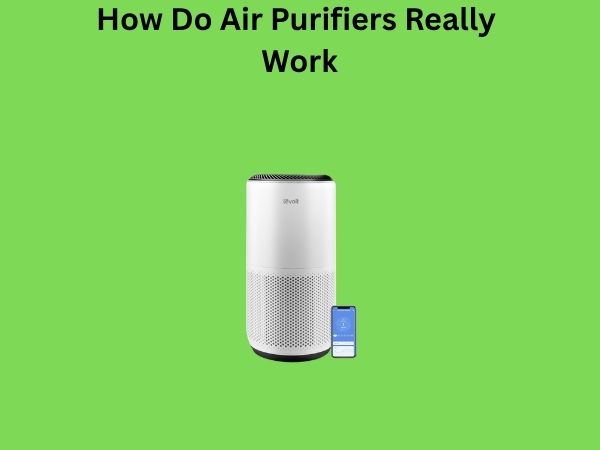
Air Purifier Filter: How Often Should You Change It?
Let me be honest with you—most people have no idea when to replace their air purifier filters. They buy the device, set it up, and then just… forget about it. I used to be the same way. But here’s the thing: your air purifier is only as good as the filter inside it. Think of it like changing the oil in your car. You wouldn’t drive 50,000 miles without an oil change, right? Well, the same logic applies to your air purifier filters.
If you’re breathing air that’s being pushed through a clogged, dirty filter, you’re basically not getting any of the benefits you paid for. In fact, a saturated filter can actually circulate the trapped particles back into your room. Scary, I know. That’s why I’ve decided to write this comprehensive guide to help you understand exactly when and why you need to change your air purifier filter.
Understanding Air Purifier Filters and Their Purpose
Before we dive into the replacement schedule, let’s talk about what these filters actually do. Your air purifier filter is essentially a barrier that catches microscopic particles floating around in your home. We’re talking about dust, pollen, pet dander, mold spores, and even some bacteria and viruses.
Most modern air purifiers use a multi-layer filtration system. The first layer typically catches larger particles, while the subsequent layers get progressively finer, trapping smaller and smaller contaminants. Some advanced models even include activated carbon filters that eliminate odors and chemical fumes.
The Standard Replacement Timeline for Air Purifier Filters
So here’s the straightforward answer: most air purifier filters need to be replaced every 6 to 12 months. But I can already hear you thinking, “Well, that’s pretty vague!” And you’re right. The exact timeline depends on several factors that I’ll break down for you.
Why the Time Frame Varies So Much
The reason manufacturers give such a wide window is because every home is different. Your filter’s lifespan depends on how much you actually use your purifier, how dirty the air in your home is, and the specific model you own. A family with two dogs living in a dusty region will need filter replacements much more frequently than someone living in a cleaner environment with no pets.
Factors That Affect How Often You Need to Change Your Filter
Your Air Quality and Environmental Conditions
This is probably the biggest factor. If you live in an area with high pollution levels, frequent wildfires, or significant dust storms, your air purifier is working overtime. The filter will get saturated much faster than someone living in a pristine mountain town with clean air naturally flowing around them.
Similarly, if you live near a busy highway or in an industrial area, expect to replace your filters more frequently. The air your purifier has to process is simply much dirtier.
How Often You Actually Run Your Purifier
This seems obvious, but it’s worth mentioning: if you only run your air purifier a few hours per week, the filter will last much longer than if you run it 24/7. Some people leave their purifiers running constantly, especially those with allergies or asthma. If that’s you, you’ll be changing filters more often.
Household Pets and Occupants
Pet owners, listen up—your filter is probably working harder than you think. If you have cats, dogs, or other shedding animals, your air purifier is constantly pulling hair and dander from the air. Having multiple pets in your home can reduce your filter’s lifespan by half or more compared to a pet-free household.
The number of people living in your home also matters. More people means more dust, skin cells, and other particles being shed into the air.
The Specific Air Purifier Model You Own
Not all air purifiers are created equal. A high-end HEPA filter from a reputable brand might last longer and perform better than a cheaper alternative. Additionally, the size of the filter and the purifier’s CADR rating (Clean Air Delivery Rate) affect how quickly it gets saturated.
Budget purifiers might need replacing every 3 to 6 months, while premium models could stretch to 12 to 18 months. Always check your manufacturer’s specific recommendations.
How to Tell When Your Air Purifier Filter Needs Changing
Here’s the practical part that actually matters in your daily life. You don’t necessarily have to wait for the calendar to tell you it’s time. Your air purifier will give you signs that it’s tired and ready for retirement.
Visual Inspection: What to Look For
Pop open your air purifier and take a look at the filter. A clean filter is typically white or light gray in color. If your filter has turned dark gray, brown, or even black, it’s definitely time to replace it. You might be able to see dust and debris caked onto the surface. That’s not just cosmetic—it means the filter is significantly impeded and working much less effectively than it should be.
The Filter Change Indicator Light
Most modern air purifiers have a handy feature built right in: a filter change indicator light. This light typically appears on your purifier’s display or as a physical LED indicator. When it turns on or starts blinking, that’s your signal to order a replacement. Honestly, this is one of the best features manufacturers have added because it removes the guesswork.
Noticeable Decrease in Air Purification Performance
Have you noticed that the air in your room doesn’t feel as fresh as it used to? Or maybe the purifier isn’t removing odors as quickly? These are signs that the filter has lost its effectiveness. A clogged filter can’t pull contaminants from the air, so you’re basically just running a fan at that point.
Increased Noise Levels
A struggling air purifier often gets louder. If your normally quiet device suddenly sounds like it’s working much harder, the filter is likely clogged. The motor has to work overtime to push air through the saturated filter, which creates more noise.
Different Filter Types and Their Replacement Schedules
HEPA Filters
HEPA filters are the gold standard in air purification. These filters can capture 99.97 percent of particles 0.3 microns or larger. Because they’re so efficient, they also get saturated faster. Most HEPA filters need replacement every 6 to 12 months, depending on air quality and usage.
Activated Carbon Filters
If your air purifier includes an activated carbon filter for odor and chemical removal, these typically need replacing every 4 to 8 months. They degrade faster than HEPA filters because they’re constantly absorbing odors and volatile organic compounds.
Pre-Filters
Many air purifiers have a pre-filter that catches larger particles before they reach the main filter. These can sometimes last longer—up to 12 months—but in homes with pets or high dust levels, you might need to replace them every 3 to 6 months. The good news? Pre-filters are usually cheaper than the main filters.
Ionizer Filters
Some air purifiers use ionizer technology. These don’t need traditional filter replacements because they don’t trap particles the way mechanical filters do. However, they do require regular cleaning, which you can typically do every few weeks.
How to Extend Your Air Purifier Filter’s Lifespan
While you can’t completely prevent filter degradation, you can definitely slow it down. Here are some practical strategies to get more mileage out of your filters.
Regular Maintenance and Cleaning
Many filters benefit from regular vacuuming or gentle dusting. Check your manual to see if your filter can be cleaned. If it can, use a soft brush or vacuum cleaner to gently remove accumulated dust from the pre-filter or outer layers. This can extend the filter’s life by several months.
Running Your Purifier Strategically
You don’t need to run your air purifier 24/7 if your home’s air quality isn’t that bad. Using it during high pollen seasons, after cooking, or when you notice odors can be more efficient than constant operation. This extends your filter’s working life considerably.
Reducing Airborne Particles in Your Home
The less dirty air your purifier has to process, the longer the filter lasts. Simple steps like vacuuming regularly, dusting with damp cloths, keeping pets groomed, and using air-tight containers for dusty items can all reduce the burden on your filter.
Ensuring Proper Air Circulation
Place your air purifier in a central location where air can flow freely around it. If you block the intake vents or place it in a corner, it has to work harder. Proper placement reduces strain and extends filter life.
The Cost of Replacement Filters
Let’s talk money because this affects your decision-making. Replacement filters typically cost anywhere from $30 to $100 or more, depending on the brand and filter type. Premium brands cost more upfront but might last longer or perform better.
When you’re looking at a new air purifier, factor in the replacement filter costs over several years. A cheaper purifier with expensive filters might end up costing you more in the long run than investing in a quality model with affordable replacement options.
Where to Buy Replacement Filters
You have several options for purchasing replacement filters. The most straightforward is ordering directly from the manufacturer’s website. This guarantees you’re getting the exact right filter for your model.
You can also find filters on Amazon, Walmart, Best Buy, and other major retailers. Sometimes these offer better prices or faster shipping. Just make sure you’re buying the correct model number to avoid compatibility issues.
What Happens If You Don’t Replace Your Filter
I want to paint a picture of what happens if you ignore your filter. Initially, nothing catastrophic occurs. Your air purifier still runs, but it’s not actually purifying anymore. You’re getting a false sense of security, thinking your air is clean when it’s not.
As the filter gets more clogged, the motor has to work harder, consuming more electricity. Over time, this can actually damage the motor itself. In extreme cases, a completely saturated filter can cause your purifier to overheat and shut down automatically to prevent damage.
More importantly, you’re breathing air that your expensive device promised to clean but isn’t actually cleaning. If you have allergies, asthma, or any respiratory issues, this is genuinely problematic for your health.
Creating a Filter Replacement Schedule
Here’s my recommendation: don’t rely on memory. Set calendar reminders on your phone. If you’re using your air purifier regularly, mark your calendar for six months from now. When that reminder pops up, check your filter’s visual condition and the indicator light. Odds are good that’s when you’ll need to order a replacement.
Keep a record of when you last replaced the filter. Write it on a sticky note and place it on your purifier, or create a simple spreadsheet on your computer. This helps you identify patterns and figure out the actual replacement frequency for your specific situation.
Environmental Considerations
If you’re environmentally conscious, you might wonder about the waste created by constantly replacing filters. It’s a valid concern. Some manufacturers now offer filter recycling programs. Check if your brand participates and how you can send old filters back.
Additionally, choosing an air purifier with a longer filter lifespan reduces overall waste. It’s worth investing in a quality device that doesn’t need filters replaced as frequently.
Smart Air Purifiers with Filter Tracking
Technology is making this easier. Modern smart air purifiers can send you notifications when filters need replacing. Some even order replacement filters automatically if you set them up that way. If you’re tech-savvy and want maximum convenience, these options might be worth the extra cost.
Common Mistakes People Make with Air Purifier Filters
Let me highlight some errors I’ve seen people make repeatedly:
- Forgetting to replace filters until the air quality noticeably declines
- Buying incompatible filters by accident
- Installing filters incorrectly, so air bypasses the filter entirely
- Never cleaning pre-filters, even though they’re cleanable
- Assuming one brand’s filter works in another brand’s purifier
Most of these are easily avoidable with a bit of attention to detail and keeping your manual accessible.
Conclusion
So, how often should you change your air purifier filter? The answer is somewhere between every 3 to 12 months, with most homes landing in the 6 to 9 month range. But the real answer depends on your specific situation—the air quality in your area, how much you use your purifier, whether you have pets, and the model you own.
The best approach is to check your filter visually every few months, monitor the indicator light if your purifier has one, and establish a regular replacement schedule based on your observations. Set phone reminders, keep track of replacement dates, and don’t ignore the signs that your filter is struggling.
Remember, a dirty filter doesn’t just reduce your purifier’s effectiveness—it can actually harm your air quality. Your air purifier is an investment in your health and home comfort. Taking care of it by changing filters regularly is one of the simplest ways to ensure you’re getting real value from that investment. Don’t skip this maintenance task, and you’ll breathe easier knowing your air is truly clean.
Frequently Asked Questions
Can I wash and reuse my air purifier filter instead of replacing it?
Most HEPA filters cannot be effectively washed and reused because water can damage the filter’s structure and reduce its efficiency. However, some pre-filters can be gently vacuumed or rinsed with water. Always check your manufacturer’s instructions before attempting to clean any filter. If your filter isn’t designed to be cleaned, you’ll need to replace it with a new one to maintain proper air purification.
What’s the difference between genuine and third-party replacement filters?
Genuine filters from the manufacturer are designed specifically for your model and tested for compatibility and performance. Third-party filters are often cheaper but may not fit perfectly or perform as well. Some third-party options are excellent quality, but you’re taking a risk with compatibility. For peace of mind and guaranteed performance, I generally recommend sticking with genuine filters, even if they cost slightly more.
Is it normal for my air purifier filter to get dark quickly?
If your filter turns dark within just a few weeks or months, your home’s air quality is quite poor, or your purifier isn’t sized correctly for your room. You might benefit from running the purifier in a smaller room, improving overall home cleanliness, or looking into why your air quality is so compromised. It’s also worth checking that the filter is installed correctly—improper installation can cause it to clog faster.
Will a clogged filter damage my air purifier?
A very clogged filter can strain the motor and potentially cause it to overheat, but most modern air purifiers have safety shutoffs that prevent serious damage. However, running your purifier continuously with a clogged filter will reduce its lifespan and increase energy consumption. It’s much better to replace the filter regularly to keep your device running smoothly and efficiently.
How do I know which replacement filter is compatible with my air purifier?
Check your air