Goodbye Allergens: How Do Air Purifiers Remove Dust from Your Room?
Have you ever walked into a room and noticed those tiny dust particles floating in the sunlight? It’s almost magical how they dance through the air, but here’s the thing—they’re not so magical when they’re settling into your lungs and triggering allergies. If you’ve been wondering how air purifiers actually work their magic in removing dust, you’re in the right place. Let me walk you through the fascinating science behind these devices and why they might just be the solution your home desperately needs.
What Is Dust and Why Should You Care About It?
Before we dive into how air purifiers remove dust, let’s talk about the enemy we’re fighting. Dust isn’t just one thing—it’s a complex mixture of particles that accumulate in your home. Think of dust as the unwanted guests at a party that never leave.
The Composition of Common Household Dust
Household dust contains dead skin cells, pet dander, fabric fibers, pollen, mold spores, and even tiny bits of dirt tracked in from outside. Your skin sheds approximately 30,000 to 40,000 dead cells every minute, and a significant portion of household dust comes from this source alone. If you have pets, that number multiplies considerably because animals shed hair and dander constantly.
The scary part? These particles are incredibly small. Many dust particles measure between 0.5 and 100 microns in diameter. To put that in perspective, a human hair is about 70 microns wide. This means much of the dust in your home is invisible to the naked eye, yet it’s still being inhaled with every breath.
Health Implications of Dust Accumulation
Breathing in dust particles can trigger allergies, asthma attacks, and respiratory problems. People with existing lung conditions face even greater risks. Prolonged exposure to dust can lead to inflammation in the airways, making it harder to breathe comfortably. This is especially problematic for children and elderly individuals whose immune systems may be more vulnerable.
How Air Purifiers Work: The Basic Principle
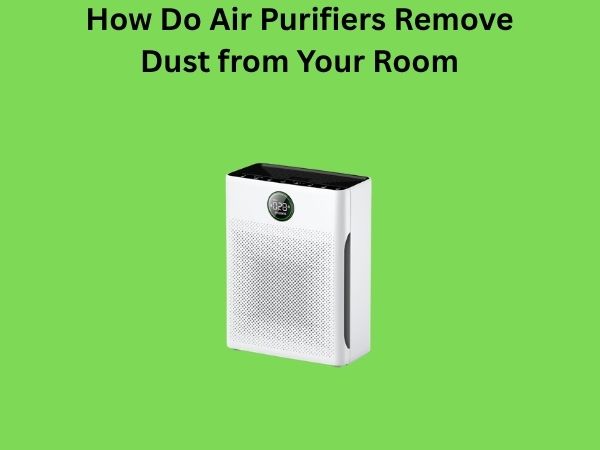
The fundamental concept behind air purifiers is surprisingly straightforward. These devices pull air into their system, filter out unwanted particles, and release clean air back into your room. It’s like having a bouncer at the door of your lungs, checking every air molecule before it enters.
The Three-Stage Process
Most air purifiers operate through three main stages. First, they intake air from the room using a fan or motor. Second, they pass this air through a series of filters designed to trap different types of particles. Third, they release the purified air back into the environment. This cycle repeats continuously, gradually reducing the overall dust concentration in your room.
The efficiency of this process depends heavily on two factors: the quality of the filters and the power of the fan motor. A weak fan won’t circulate enough air, and poor-quality filters won’t capture enough particles. It’s a team effort where both components must perform at their best.
Understanding HEPA Filters: The Dust-Catching Superhero
If air purifiers have a superhero component, it’s the HEPA filter. HEPA stands for High-Efficiency Particulate Air, and these filters are the gold standard in dust removal.
How HEPA Filters Capture Dust Particles
HEPA filters work through a combination of three mechanisms: interception, impaction, and diffusion. When dust particles travel through the dense mesh of fibers in a HEPA filter, some particles get trapped by interception—they come close enough to a fiber that they stick to it. Other larger particles hit the fibers directly through impaction, like a car crashing into a wall. Smaller particles bounce around randomly in a process called diffusion until they eventually get trapped.
By law, a true HEPA filter must capture at least 99.97% of particles that are 0.3 microns or larger. This is an incredibly high standard. To give you context, this includes dust mites, their droppings, pollen, and most mold spores. The 0.3-micron size is considered the most difficult to capture because particles smaller than this are easier to trap through diffusion, and larger particles are easier to catch through impaction.
HEPA Filter Lifespan and Replacement
A typical HEPA filter lasts between 6 to 12 months, depending on how much dust is in your environment and how often you use your purifier. Over time, the filter becomes saturated with particles and loses its effectiveness. This is why regular replacement is crucial if you want your purifier to keep working at peak performance.
The Role of Pre-Filters in Dust Removal
Most quality air purifiers include a pre-filter stage before the HEPA filter. Think of the pre-filter as the first line of defense, catching the bigger particles so the HEPA filter doesn’t get overwhelmed.
What Pre-Filters Actually Do
Pre-filters are typically made from polyester or foam materials and are designed to capture larger particles like dust, hair, and lint. By removing these bigger particles first, the pre-filter extends the life of your more expensive HEPA filter. It’s like having a security guard screen visitors before they reach the VIP section.
Pre-filters are usually washable and reusable, which makes them cost-effective compared to HEPA filters. You can rinse them under water every two to four weeks to restore their efficiency. This maintenance step is simple but absolutely essential for keeping your entire filtration system working properly.
Activated Carbon Filters: Beyond Just Dust
While HEPA filters focus on capturing solid particles, activated carbon filters serve a different purpose that’s equally important for indoor air quality.
How Activated Carbon Works Against Dust and Odors
Activated carbon is a highly porous material with an enormous surface area. When air passes through activated carbon, odor molecules and volatile organic compounds (VOCs) bind to the surface of the carbon through a process called adsorption. While activated carbon doesn’t directly capture dust particles like a HEPA filter, it works alongside other filters to improve overall air quality by removing odors, smoke, and chemical vapors.
If you have pets or smoke in your home, an activated carbon filter becomes particularly valuable. It can significantly reduce the musty pet smell or stale smoke odor that permeates your space, making your room smell fresher even as dust is being removed.
The Air Circulation Factor: Making Filters Effective
Here’s something many people overlook: even the best filters are useless if air isn’t circulating properly through them.
Understanding Air Flow and Room Coverage
Air purifiers rely on fans to pull air into the filter system. The strength of this fan determines how much air can be processed per minute, measured in cubic feet per minute (CFM). A purifier with high CFM can circulate more air and achieve faster dust removal, but it might also be noisier.
The size of your room matters tremendously. If you place a small purifier in a large bedroom, it might circulate the air in that room only once every several hours. Meanwhile, dust continues to accumulate in areas far from the intake. For optimal dust removal, choose a purifier rated for a room size equal to or larger than your actual space.
Optimal Placement for Maximum Effectiveness
Where you place your air purifier significantly impacts its effectiveness. Position it in a central location where air can flow freely around it. Avoid placing it in corners or against walls, as this restricts air intake. Similarly, don’t put it directly next to other appliances or furniture that might block airflow. The goal is to create a circulation pattern where air moves throughout the entire room and constantly passes through the purifier.
Multi-Stage Filtration: Why More Layers Are Better
Think of air purification like security at an airport. Multiple checkpoints catch different types of threats, making the system more comprehensive and effective.
The Complete Filtration Process
The best air purifiers use a multi-stage filtration system that works like this:
- Stage 1: Pre-filter captures large dust, hair, and pet dander
- Stage 2: HEPA filter traps microscopic particles and allergens
- Stage 3: Activated carbon filter removes odors and volatile compounds
- Stage 4 (optional): Ionizer or UV light further purifies air
This layered approach ensures that different types of contaminants are removed efficiently. Dust particles of all sizes get caught at appropriate stages, and by the time air exits the purifier, it’s significantly cleaner than when it entered.
Real-World Effectiveness: What You Can Actually Expect
So how much dust removal can you realistically expect from an air purifier? The answer depends on several factors.
Timeframe for Noticeable Improvements
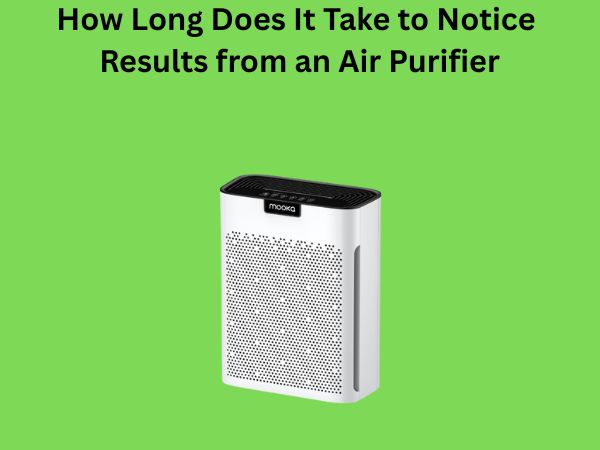
If you run your air purifier continuously in a medium-sized room, you should notice improvements in air quality within a few days. Dust accumulation will visibly decrease on surfaces, and you’ll likely feel less dust in the air. However, complete dust elimination takes time—typically two to four weeks of continuous operation to achieve optimal results.
The timeline accelerates if you also vacuum regularly and reduce dust sources. For example, if you minimize clutter, wash bedding frequently, and use air purifiers in conjunction with these practices, you’ll see faster improvements.
Factors That Affect Purifier Efficiency
Several variables influence how effectively an air purifier removes dust from your space. Room size is perhaps the most critical factor—using an undersized purifier for a large space significantly reduces effectiveness. Air exchange rate also matters; purifiers designed to exchange room air multiple times per hour work better than those with low exchange rates.
Initial dust levels also play a role. If your home has been dusty for years, it’ll take longer to achieve clean air compared to starting with a moderately dusty environment. Additionally, opening windows and doors frequently reintroduces dust, fighting against the purifier’s efforts.
Maintenance: Keeping Your Purifier Performing Optimally
An air purifier is only as good as the maintenance you provide. Neglecting upkeep can turn an excellent device into a mediocre one.
Regular Maintenance Requirements
Check your pre-filter every two to four weeks and clean it if needed. Some pre-filters are washable—rinse them under cool water and allow them to dry completely before reinstalling. Replace HEPA filters according to manufacturer recommendations, typically every 6 to 12 months. If you notice reduced airflow or unusual odors, it might be time for an earlier replacement.
Clean the exterior of your purifier regularly to prevent dust from accumulating on the intake. Wipe down the casing with a damp cloth monthly. If your purifier has an ionizer or UV light component, check these periodically to ensure they’re functioning correctly.
Signs Your Filters Need Replacement
Several indicators tell you it’s time to replace your filters. Reduced airflow from the exhaust is a clear sign. Some purifiers have filter indicator lights that alert you when replacement is needed. You might also notice that dust is returning to your room despite running the purifier—this suggests the filters are no longer capturing particles effectively.
Common Myths About Air Purifiers Debunked
There’s plenty of misinformation about air purifiers out there. Let me address some common misconceptions.
Myth 1: Air Purifiers Eliminate All Dust Instantly
Reality: Air purifiers gradually reduce dust levels over time. They’re not magical devices that eliminate all dust the moment you turn them on. Dust removal is a continuous process that requires patience and consistent operation.
Myth 2: One Purifier Can Cover Your Entire Home
Reality: Most standard air purifiers work best in the room they’re placed in. To purify your entire home, you’d need multiple units or an integrated HVAC purification system. A single purifier in your bedroom won’t significantly improve air quality in your living room.
Myth 3: You Never Need to Replace Filters
Reality: Filters become saturated with dust and lose effectiveness over time. Regular replacement is essential for maintaining purifier performance. Ignoring this requirement means your purifier becomes less effective while actually using more energy.
Myth 4: Purifiers Work Without Any Windows or Doors Closed
Reality: For best results, you should keep windows and doors closed while running your purifier. Open windows constantly introduce new dust, fighting against the purifier’s efforts to clean the air.
Choosing the Right Air Purifier for Your Needs
With so many options on the market, selecting the right air purifier can feel overwhelming. Here’s what you should consider.
Key Features to Look For
First, verify that the purifier has a true HEPA filter—not just “HEPA-type” which is a marketing term for inferior filters. Check the CADR (Clean Air Delivery Rate) rating, which indicates how quickly the purifier can clean air. Higher CADR ratings mean faster dust removal. Consider the noise level, especially if you plan to run it in your bedroom at night.
Look at the filter replacement costs and availability. An inexpensive purifier with expensive filters can become costly long-term. Check if filters are easily accessible for replacement. Finally, consider the filter lifespan—longer-lasting filters reduce maintenance frequency and save money over time.
Matching Purifier Size to Room Dimensions
Calculate your room’s square footage and match it with the purifier’s rated coverage area. If a purifier is rated for rooms up to 300 square feet but your bedroom is 400 square feet, it won’t adequately cover your space. It’s often better to choose a slightly oversized purifier than an undersized one.
Combining Air Purifiers with Other Dust-Reduction Strategies
While air purifiers are excellent for dust removal, they work best as part of a comprehensive approach to indoor air quality.
Complementary Practices for Maximum Results
- Vacuum regularly with a HEPA-filter vacuum cleaner to capture dust before it becomes airborne
- Use damp microfiber cloths for dusting rather than dry cloths that stir up particles
- Wash bedding weekly in hot water to eliminate dust mites and their allergens
- Reduce clutter that collects and harbors dust
- Keep humidity levels between 30-50% to prevent dust mite proliferation
- Minimize pet dander by grooming pets regularly and keeping them out of bedrooms
- Use air purifiers during high-pollen seasons if you have outdoor allergies
Think of air purifiers as one tool