Allergy Relief 101: How Do Air Purifiers Help Allergies and Sneezing?
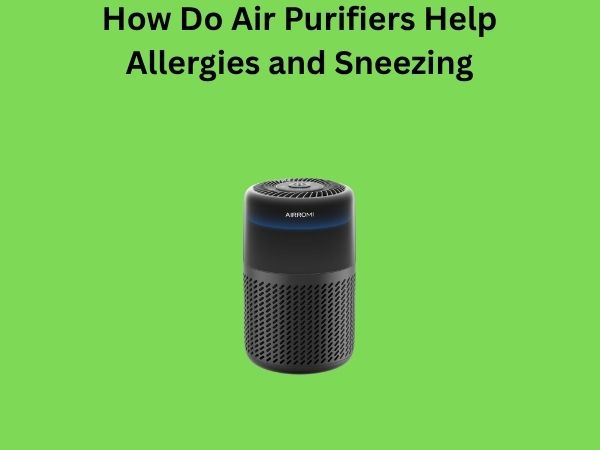
Have you ever wondered why your nose starts running the moment you step inside your home, even though you’re supposed to be safe there? You’re not alone. Millions of people struggle with indoor allergies every single day, and the culprit is often hiding right in the air you’re breathing. That’s where air purifiers come into play—they’re like invisible bodyguards for your respiratory system, working tirelessly to remove the irritants that make you miserable.
In this comprehensive guide, I’m going to walk you through everything you need to know about how air purifiers tackle allergies and help you breathe easier. Whether you’re dealing with pet dander, pollen, dust mites, or mold spores, understanding how these devices work could be the game-changer you’ve been looking for.
Understanding Indoor Allergies: What’s Actually Floating in Your Air?
Before we dive into how air purifiers help, let’s talk about what you’re actually dealing with. Your home isn’t as clean as you think it is—and I mean that in the most scientific way possible. The air you’re breathing right now contains countless particles that are too small to see with the naked eye, yet they’re potent enough to trigger sneezing fits, watery eyes, and that annoying post-nasal drip.
The Invisible Invaders: Common Indoor Allergens
Think of indoor allergens as unwelcome guests that have somehow snuck past your front door. They come in various forms and sizes, each with its own ability to trigger your immune system. Dust mites, for instance, are microscopic creatures that thrive in your bedding, carpets, and upholstered furniture. Pet dander—the tiny flakes of skin your beloved cat or dog sheds—floats through the air and clings to surfaces. Pollen brought in from outside can settle on your furniture and in your carpet, while mold spores love damp areas like bathrooms and basements.
Then there are dust particles, which aren’t just dirt—they’re a cocktail of dead skin cells, textile fibers, and other debris that accumulate in your home over time. And let’s not forget about bacteria and viruses, which can spread through the air, especially during cold and flu season.
Why Your Body Reacts to These Particles
Your immune system is designed to protect you, but sometimes it overreacts. When you have allergies, your body treats these harmless particles as dangerous invaders and launches a defense attack. This causes inflammation, triggers mucus production, and leads to that cascade of uncomfortable symptoms you’re familiar with.
How Air Purifiers Work: The Technology Behind the Magic
Now that you understand what you’re up against, let’s explore how air purifiers become your ally in the battle against allergies. Air purifiers work by pulling air into a device, running it through one or more filters or treatment systems, and then releasing clean air back into your room. It’s like having a bouncer at the door of your lungs, checking ID and making sure nothing problematic gets through.
HEPA Filters: The Heavy Hitter of Allergen Removal
HEPA stands for High-Efficiency Particulate Air, and these filters are the gold standard when it comes to trapping allergens. A true HEPA filter can capture 99.97 percent of particles that are 0.3 microns or larger. To put that in perspective, that’s ridiculously small—we’re talking about particles that are invisible to your eyes.
Here’s how HEPA filters work their magic: the filter material is made up of randomly arranged fibers that create a maze-like structure. When air passes through, particles get trapped through three mechanisms: interception (particles following air currents come close to a fiber and stick), impaction (larger particles can’t navigate the twists and turns and crash into fibers), and diffusion (smaller particles bounce around and eventually collide with fibers).
Activated Carbon Filters: The Odor Eliminators
While HEPA filters are excellent at capturing particles, they’re not great at dealing with gases and odors. That’s where activated carbon comes in. This material has been treated to create a porous structure with tons of tiny spaces that can absorb gases, volatile organic compounds, and unpleasant smells.
If you have pet allergies, activated carbon is your friend because it helps eliminate the odors associated with pets that can trigger allergy symptoms. It won’t directly capture pet dander, but it supports the HEPA filter by handling the chemical compounds that make your home smell like an animal shelter.
UV-C Light Technology: Bacteria and Virus Fighter
Some advanced air purifiers incorporate UV-C light technology, which uses ultraviolet radiation to kill bacteria, viruses, and mold spores. Think of it as a sterilization system for your air. The UV-C light damages the DNA of microorganisms, preventing them from reproducing or causing harm.
This technology is particularly useful if you’re dealing with respiratory infections or if mold allergies are your main concern. However, UV-C light won’t remove particulate allergens like dust mites or pet dander—it only deals with biological pathogens.
Ionizers: The Electrical Approach
Ionizers work differently from traditional filters. They release negatively charged ions into the air, which attach to particles and give them a negative charge. These charged particles then become heavier and fall out of the air onto surfaces, where you can clean them up later.
The advantage here is that ionizers don’t require filter replacements, which saves you money long-term. The downside? They don’t remove particles from the air—they just make them settle faster. Some people also have concerns about the ozone that some ionizers produce, so you’ll want to choose an ionizer specifically designed to be ozone-free if you go this route.
Different Types of Air Purifiers: Choosing Your Weapon Against Allergies
Not all air purifiers are created equal, and depending on your specific allergy situation, you might need a different type of device. Let me break down the main categories so you can figure out which one makes sense for your needs.
Mechanical Air Purifiers: The Reliable Workhorses
Mechanical air purifiers use physical filters to trap particles. HEPA-based purifiers fall into this category, and they’re considered the most effective for dealing with most common allergens. They require regular filter changes, but they’re straightforward and reliable.
Electronic Air Purifiers: Lower Maintenance Options
These include ionizers and electrostatic precipitators. They require less maintenance since there are no filters to replace, but they may not be as effective as mechanical filters, and some can produce ozone, which is a respiratory irritant itself.
Hybrid Air Purifiers: The Best of Both Worlds
Many modern air purifiers combine HEPA filters with activated carbon and sometimes UV-C light or ionizers. These combination units offer comprehensive allergen removal and odor elimination, making them ideal if you have multiple allergy triggers.
Specific Allergens: What Air Purifiers Can Actually Remove
Let’s get specific about what air purifiers can and can’t handle, because not all allergens are created equal when it comes to air purification technology.
Pet Dander and Hair
HEPA filters excel at capturing pet dander, which is one of the most common indoor allergens. The particles are large enough and heavy enough to get trapped effectively. Combined with an activated carbon filter to eliminate odors, an air purifier becomes a must-have if you love your pets but hate the allergy symptoms.
Dust Mites and Their Droppings
Dust mites themselves are larger than the particles they create, and their fecal matter is in the respirable range. A HEPA filter will capture both, making air purification helpful for dust mite allergies. However, you’ll need to address the source too—washing bedding in hot water and keeping humidity low also matters.
Pollen: Seasonal Allergy Relief
If you suffer from seasonal allergies, an air purifier can be your salvation. Pollen particles are relatively large and easy for HEPA filters to capture. Running your air purifier during high pollen season can dramatically reduce the amount of pollen circulating in your home.
Mold Spores: Moisture-Related Help
Air purifiers with HEPA filters can capture mold spores, but remember that mold grows because of moisture. An air purifier will help reduce airborne spores, but you’ll also need to control humidity and fix any water damage or leaks in your home.
Bacteria and Viruses
While HEPA filters can capture some bacteria and viruses, they’re not designed specifically for pathogenic organisms. UV-C light technology is better suited for this, as it actually kills these microorganisms rather than just trapping them.
Real-World Benefits: What You’ll Actually Notice
Okay, so air purifiers can technically remove allergens, but what does that mean for your daily life? Let me paint you a picture of the changes you might experience.
First, there’s the breathing relief. Many allergy sufferers report that they can breathe more easily within days of starting to use an air purifier. Your nasal passages are less inflamed because they’re not constantly exposed to allergens. You might find yourself reaching for tissues far less frequently.
Second, you’ll likely sleep better. When you run your air purifier in your bedroom, you’re creating an allergen-reduced zone where you spend eight hours of your day. Waking up without a stuffy nose or scratchy throat is a game-changer for your overall quality of life.
Third, you might have fewer allergy symptoms throughout the day. Less sneezing, less itchy eyes, less post-nasal drip—these small improvements add up and make you feel dramatically better overall.
Fourth, if you have pets, your home will smell fresher and cleaner. The combination of HEPA and activated carbon filters eliminates both the particles and the odors associated with pet ownership.
Room Size and Coverage: Does Size Matter?
Here’s something critical that many people overlook: you need the right size air purifier for your space. An air purifier designed for a small bedroom won’t help much in your entire house, just like trying to cool your whole house with a single window unit AC doesn’t work.
Understanding Clean Air Delivery Rate (CADR)
CADR is measured in cubic feet per minute (CFM) and tells you how quickly an air purifier can clean the air in a room. The higher the CADR, the faster it works. For optimal allergy relief, you want an air purifier that can cycle the air in your room at least four to five times per hour. If your bedroom is 200 square feet, you’d need an air purifier with a CADR that can handle that volume repeated five times per hour.
Strategic Placement for Maximum Effectiveness
Where you place your air purifier matters. You want it in a location where it can pull air from around the room and distribute clean air back out. Corners are good because they allow the device to pull air from multiple directions. Avoid placing it directly against walls or in closets, where it can only access limited air circulation.
Maintenance: Keeping Your Air Purifier in Top Shape
An air purifier is only as effective as its filters, and filters don’t last forever. Think of them like the lungs of your device—they get tired and need replacement.
Filter Replacement Schedule
Most HEPA filters last between six months and one year, depending on how much you use your air purifier and how polluted your air is. If you have multiple pets or live in a particularly dusty area, you might need to replace filters more frequently. Check your device’s manual for specific recommendations and watch for signs that the filter is clogged—reduced air flow usually indicates it’s time for a change.
Pre-Filter Maintenance
Many air purifiers have a pre-filter that captures larger particles before they reach the HEPA filter. These can often be vacuumed clean instead of replaced, extending the life of your more expensive HEPA filter. Make this part of your monthly maintenance routine.
General Cleanliness
Keep the exterior and intake vents of your air purifier clean. Dust can accumulate on these surfaces, reducing efficiency. A simple wipe-down with a damp cloth every week or two keeps your device working optimally.
The Cost Factor: Is It Worth Your Money?
Let’s talk about the elephant in the room: price. Air purifiers range from around fifty dollars for basic models to several thousand for premium systems.
For most people dealing with common indoor allergies, a mid-range HEPA air purifier in the two-hundred to four-hundred dollar range offers excellent value. These devices typically last three to five years, and even if you factor in filter replacements, you’re looking at an investment that can dramatically improve your quality of life.
Consider the alternative: prescription allergy medications, decongestants, and doctor visits can add up quickly. If an air purifier reduces your symptoms enough that you need fewer medications, you’ll recoup your investment faster than you think.
Limitations You Need to Understand
I don’t want to oversell air purifiers. They’re helpful tools, but they’re not magic bullets that will eliminate all your allergy problems.
Air Purifiers Don’t Treat the Root Cause
If dust mites are thriving in your carpet and bedding, an air purifier will help with the mites that are airborne, but it won’t eliminate the source. You’ll still need to wash bedding regularly and maintain low humidity levels.
Room-by-Room Limitations
An air purifier in your bedroom won’t clean the air in your living room. If you want comprehensive coverage throughout your home, you’ll need multiple units, which adds to the cost.
They Can’t Remove Settled Allergens
Particles that have already settled on surfaces won’t be captured by your air purifier. Regular dusting and vacuuming with a HEPA filter vacuum are still necessary.
Noise Considerations
Some air purifiers can be quite loud, especially on higher settings. This might be annoying if you’re trying to sleep or work in a quiet environment.
Combining Air Purifiers with Other Allergy Solutions
The most effective approach to managing allergies combines multiple strategies. Think of air purifiers as one part of a comprehensive allergy management plan.