How Can You Purify the Air in Your Home Like a Pro?
Let’s be honest—we spend most of our lives indoors. Whether you’re working from home, raising kids, or just relaxing after a long day, your home is basically your sanctuary. But here’s the thing that keeps many homeowners up at night: the air you’re breathing inside might be dirtier than the air outside. Scary, right? Indoor air pollution is a silent problem that sneaks up on you, and most people don’t even realize it’s happening until they start noticing symptoms like persistent coughs, allergies, or that stuffy feeling that just won’t go away.
The good news is that purifying your home’s air doesn’t require complicated equipment or a degree in environmental science. In this comprehensive guide, I’m going to walk you through everything you need to know about achieving crystal-clean indoor air, just like the professionals do.
Understanding Indoor Air Quality and Why It Matters
Before we dive into solutions, let’s talk about why indoor air quality is such a big deal. Your lungs are constantly working, and they’re taking in whatever particles, chemicals, and pollutants are floating around your home. Think of it like this: if your home’s air quality is compromised, you’re essentially giving your respiratory system a workout it never asked for.
Indoor air can contain allergens like dust mites, pet dander, pollen, and mold spores. It can also harbor volatile organic compounds (VOCs) from paints, cleaning products, and furniture. Plus, there’s carbon dioxide buildup from poor ventilation and potentially dangerous gases like radon in some areas.
The Real Consequences of Poor Indoor Air Quality
Living with bad air quality isn’t just uncomfortable—it’s actually harmful. People with asthma, allergies, or respiratory conditions suffer the most, but even healthy individuals can experience fatigue, headaches, and difficulty concentrating. Children and elderly family members are particularly vulnerable because their respiratory systems aren’t as resilient.
Start with Proper Ventilation
Here’s the first rule of air purification that professionals always emphasize: you can’t solve air quality problems without addressing ventilation. It’s the foundation of everything else you’ll do. Think about what happens when you leave windows closed for days on end—the air gets stale, stuffy, and uncomfortable. Your home becomes like a sealed box, and that’s when problems start accumulating.
Opening Windows Strategically
I know what you’re thinking—opening windows seems too simple to be effective. But believe it or not, cross-ventilation is incredibly powerful. When you open windows on opposite sides of your home, you create natural air circulation that flushes out stale air and brings in fresh oxygen. The best times to do this are early morning or late evening when outdoor pollution levels are typically lower.
On days when outdoor air quality is poor due to pollution or seasonal factors, you might need to be more strategic. Check your local air quality index before throwing those windows open. During high pollen seasons, even a quick 10-minute window opening can help, as long as you’re not exacerbating your allergies.
Using Your HVAC System Effectively
Your heating, ventilation, and air conditioning system is like the lungs of your home. Most people set it and forget it, but there’s actually a lot more you can do. Make sure your HVAC system includes an outdoor air intake that brings in fresh air regularly. Many modern systems have this feature, but older systems might not.
Change your HVAC filters every three months, or more frequently if you have pets or live in a dusty area. A clogged filter is like trying to breathe through a straw—the system works harder, becomes less effective, and can actually recirculate dust particles.
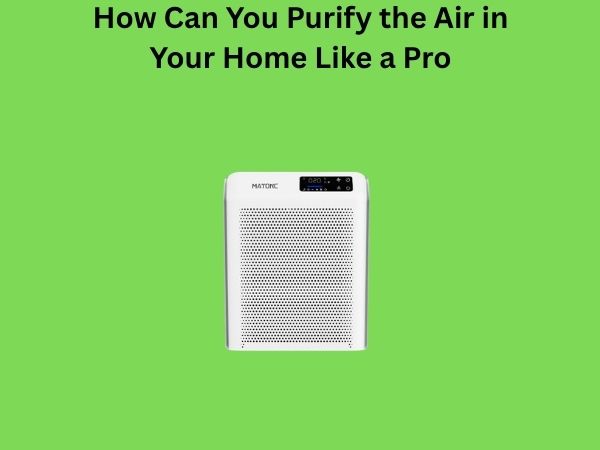
Invest in a Quality Air Purifier
Now we’re getting into the serious equipment. Air purifiers are workhorses when it comes to removing particles and pollutants from your indoor air. But here’s where people often go wrong: they buy the cheapest model they can find and wonder why it doesn’t work. Quality matters tremendously in this space.
Understanding HEPA Filters
HEPA stands for High-Efficiency Particulate Air, and these filters are the gold standard in air purification. A true HEPA filter can capture 99.97% of particles that are 0.3 microns or larger. To put that in perspective, that includes most dust, pollen, pet dander, and even some bacteria and viruses.
When shopping for an air purifier, always verify that it has a genuine HEPA filter, not just a “HEPA-type” filter. That distinction matters because HEPA-type filters don’t meet the rigorous standards of actual HEPA certification.
Activated Carbon Filters for Chemical Removal
While HEPA filters handle particulates beautifully, they don’t do much for gases and odors. That’s where activated carbon filters shine. These filters work through adsorption—they chemically bind odor molecules and volatile organic compounds to their surface. If you cook frequently, have pets, or use household chemicals, an activated carbon layer is essential.
The best air purifiers actually use a multi-stage filtration system that includes both HEPA and activated carbon. This two-pronged approach tackles both particle and gas pollution.
Choosing the Right Purifier Size
Here’s a common mistake: people buy a tiny air purifier for a large bedroom or living room. It’s like trying to empty an Olympic swimming pool with a bucket. You need to match the purifier’s coverage area to your room size. Check the Clean Air Delivery Rate (CADR) on the specifications. This number tells you how effectively the purifier cleans air in a given space.
For most homes, you’ll want purifiers that can handle your room size and deliver at least three complete air changes per hour.
Control Humidity Levels
Humidity is sneaky. Too much of it, and you’re creating a breeding ground for mold, dust mites, and allergens. Too little, and you’re experiencing dry skin, irritated airways, and increased susceptibility to respiratory infections. It’s a delicate balance, and getting it right is part of air quality mastery.
The Ideal Humidity Range
Professionals recommend keeping indoor humidity between 30% and 50%. This range is gentle on your respiratory system, prevents mold growth, and discourages dust mites from thriving. If you’re not sure what your home’s humidity level is, grab an inexpensive hygrometer from any hardware store.
Using Dehumidifiers
If you live in a naturally humid climate or your home tends to get damp, a dehumidifier becomes your best friend. These devices extract excess moisture from the air, creating an inhospitable environment for mold and mildew. Place one in your most problematic areas—basements are notorious for moisture issues, as are bathrooms without proper ventilation.
Adding Humidity When Needed
During winter months or in arid climates, you might need a humidifier instead. Adding moisture to the air can actually improve your respiratory comfort and help your immune system function better. Just remember to clean your humidifier regularly to prevent mold growth inside the device itself. There’s irony in that—using a humidifier that’s contaminated with mold!
Indoor Plants: Nature’s Air Filters
Before you dismiss this as just a trendy idea, hear me out. Certain indoor plants genuinely help purify air by absorbing carbon dioxide and releasing oxygen—basic photosynthesis, right? But some plants actually remove specific pollutants too.
Best Air-Purifying Plants
- Spider plants excel at removing formaldehyde and xylene
- Peace lilies absorb ammonia and benzene
- Pothos plants are champions at filtering formaldehyde
- Snake plants work continuously, even at night
- Boston ferns are excellent for general air purification
The thing about plants is that they work slowly and steadily. They’re not a replacement for mechanical air purifiers, but they’re a wonderful complementary strategy. Plus, you get the added benefit of improved mood and reduced stress from having greenery around your home.
Plant Placement Strategy
Don’t just shove plants in corners and call it a day. Place them strategically throughout your home, especially in areas where you spend the most time. A few plants in your bedroom and several in your living room will have a more noticeable impact than having all of them in one spot.
Eliminate Common Indoor Pollution Sources
Sometimes the best air purification strategy is prevention. If you eliminate the sources of pollution in the first place, you won’t need to work as hard to clean the air afterward.
Cleaning Product Alternatives
Many commercial cleaning products are loaded with chemicals that off-gas into your home. Instead, switch to natural alternatives. Vinegar and baking soda are incredibly effective and cost next to nothing. White vinegar cleans windows and surfaces beautifully, while baking soda works as both a scrubber and deodorizer.
If you prefer store-bought products, look for those labeled as low-VOC or natural. Your air quality will thank you, and you’ll save money in the long run.
Choosing Low-VOC Paints and Materials
If you’re renovating or painting, insist on low-VOC paints. Traditional paints release volatile organic compounds for months after application, and these chemicals circulate through your home’s air. Low-VOC options are now available in virtually every color and finish, and the price difference is minimal.
Managing Pet-Related Air Quality Issues
Pet dander is one of the most common indoor allergens. If you have furry friends, invest in a good vacuum with a HEPA filter and vacuum frequently—ideally twice a week. Bathe your pets regularly to reduce dander, and consider keeping them out of your bedroom so you’re not breathing pet particles while you sleep.
Tackle Moisture and Mold Proactively
Mold is basically the villain of indoor air quality. It releases spores that trigger allergies, asthma attacks, and respiratory problems. The smell alone tells you something’s wrong, but by the time you smell mold, it’s usually already established and thriving.
Identifying Moisture Problems
Check bathrooms, basements, crawl spaces, and anywhere you’ve noticed water stains or discoloration. Mold loves dark, damp areas. Look for black or green spots, a musty odor, or visible water damage.
Preventing Mold Growth
The prevention strategy is straightforward: keep your home dry and well-ventilated. Use exhaust fans in bathrooms during and after showers, fix any leaks immediately, and ensure your gutters are clean and water is flowing away from your home’s foundation.
If you do discover mold in a small area (less than 10 square feet), you can clean it with white vinegar or hydrogen peroxide. For larger infestations, call a professional mold remediation service.
Test Your Indoor Air Quality
You can’t improve what you can’t measure. Professional air quality testing gives you concrete data about what you’re dealing with.
DIY Testing Options
Several companies now offer affordable at-home air quality testing kits. You collect samples and mail them to a lab, which tests for various pollutants including mold spores, bacteria, and volatile organic compounds. These kits typically cost between $200 and $400 and provide valuable insights.
Professional Testing Services
For comprehensive analysis, hire a professional indoor air quality consultant. They’ll use specialized equipment to measure particle counts, humidity, temperature, carbon dioxide, and other factors. While more expensive than DIY kits, professional testing is thorough and can identify specific problem areas in your home.
Establish a Year-Round Maintenance Schedule
Air purification isn’t a set-it-and-forget-it situation. You need to maintain your efforts consistently throughout the year. Different seasons bring different challenges, so adapt your strategy accordingly.
Spring Air Quality Management
Spring means pollen season. This is when allergy sufferers really feel it. Run your air purifier frequently, consider keeping windows closed on high pollen days, and change your HVAC filters more often. Dust surfaces regularly since pollen settles everywhere.
Summer Considerations
Summer typically means higher humidity levels. Run your dehumidifier as needed, ensure air conditioning units are clean, and keep gutters clear. Air conditioning actually helps by filtering indoor air, so use it even if you prefer natural ventilation.
Fall Preparation
Fall is the time for deep cleaning. Dust accumulates throughout summer, and fall cleanup helps prevent winter indoor air problems. This is also when you should have your furnace inspected and cleaned before the heating season starts.
Winter Air Quality
Winter presents unique challenges because we seal up our homes for warmth, reducing ventilation. This is when indoor air quality tends to suffer most. Run air purifiers more frequently, use a humidifier if your heating system dries out the air, and still try to create some ventilation even in cold weather.
Creating Your Personal Air Purification System
The most effective approach combines multiple strategies working together. This isn’t about doing one thing perfectly—it’s about doing several things consistently.
A Practical Starting Point
If you’re starting from scratch, here’s a reasonable approach: first, optimize your ventilation and clean your HVAC filters. Second, get a quality air purifier for your main living area. Third, add a few air-purifying plants. Fourth, switch to natural cleaning products. Fifth, maintain humidity levels. Finally, establish a maintenance routine.
You don’t need to do everything at once, and you don’t need to spend a fortune. Start with what makes the most difference for your specific situation, then build from there.
Conclusion
Purifying the air in your home is absolutely achievable, and it doesn’t require professional expertise or excessive spending. The key is understanding that air quality depends on multiple factors working together—ventilation, filtration, humidity control, and pollution source reduction all play important roles.
Start by assessing your current situation. What are your biggest air quality concerns? Allergies? Odors? Moisture problems? Once you’ve identified the main issues, you can prioritize your efforts accordingly. Some solutions are quick and inexpensive, like opening windows more often or switching cleaning products. Others are larger investments, like purchasing a quality air purifier, but they deliver significant long-term benefits.
Remember, the goal isn’t perfection—it’s consistent, measurable improvement. By implementing the strategies outlined in this guide, you’ll create a healthier indoor environment where you and your family can breathe easier, sleep better, and feel more energized. Your home should be a refuge from outdoor air quality issues, not another source of pollution. With the right approach and commitment, that’s exactly what it can become.
Frequently Asked Questions
How often should I replace air purifier filters?
Most HEPA filters last between 6 to 12 months, depending on how frequently you use your air purifier and your local air quality. Activated carbon filters may need replacement every 3 to 6 months. Check your specific model’s recommendations, as manufacturer guidelines vary. If you notice reduced air purification performance, that’s a sign it’s time for a replacement. Some air purifiers have indicators that let you know when filters need changing, which takes the guesswork out of maintenance.